Amedi to Barzan Road Trip
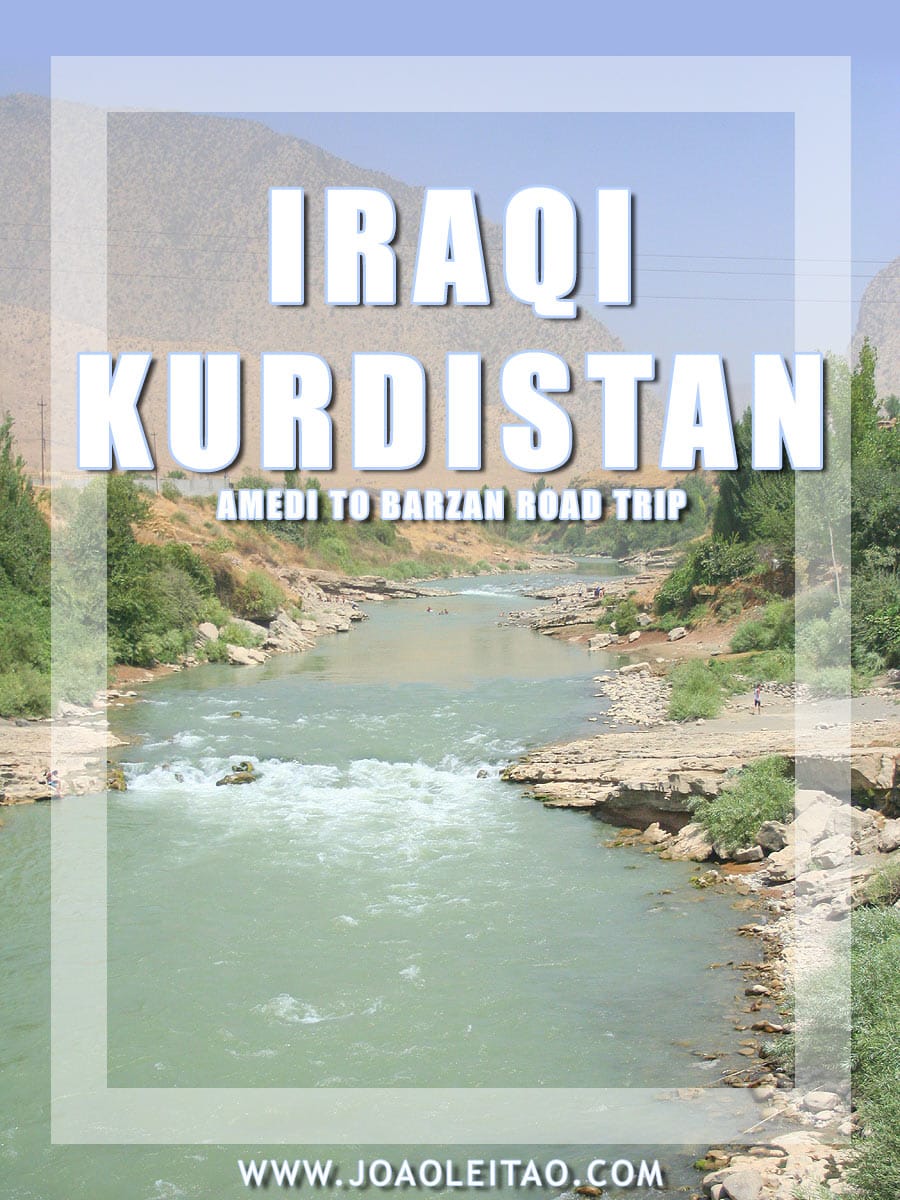
I visited Northern Iraq for 11 days.
When I was in the Kurdish town of Amedia, someone made me a proposal I just couldn’t refuse.
Driving.
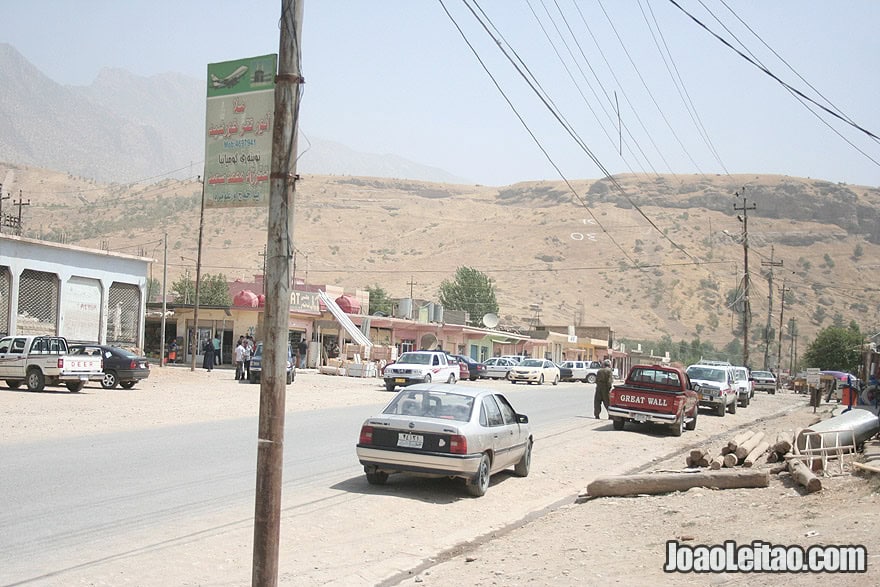
I love to drive. Actually, this is possibly my favorite way of traveling.
Next to the church of Saint Mary lives a Christian family that wanted to know more about the reasons of my visit to Amedia.
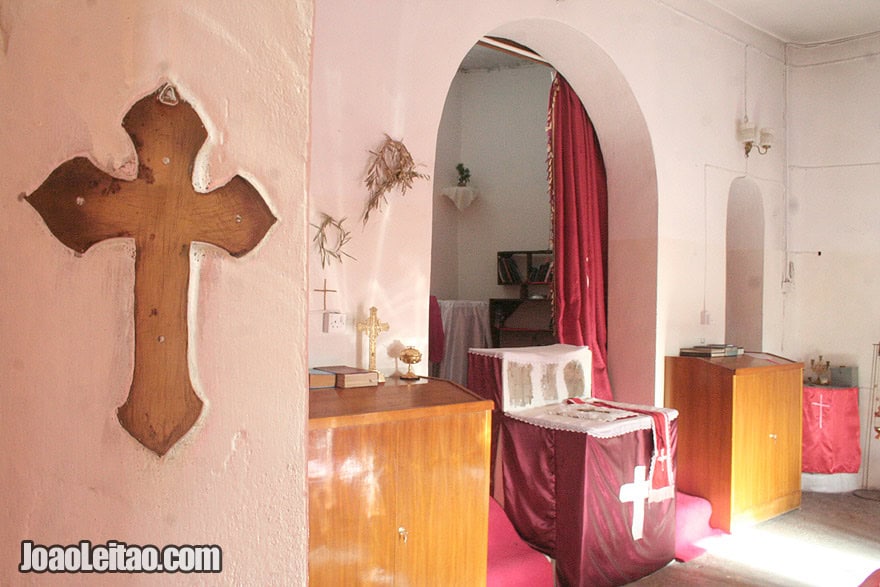
Pethio, a gentleman in his sixties, introduced me to his family, offered me tea and fetched a book written in Syriac. He explained me a bit of his religion, of his history and of the history of Syriac Christians in Iraq. Pethio teaches English in the neighboring village Kani and has two sons in the USA and another one in Australia. After a joyful conversation with Pethio and some more men who had joined us, he asked me: “Do you have a driving license?”
Pethio has a car, but he cannot drive because his eyes do not allow it. Therefore, he offered me to show me the Christian legacy of the region, the monasteries, sacred springs and caves, Christian villages, and wherever I would like to go. I had him and his car at my disposal at nine o’clock the following morning.
This was a spectacular day, although it started a little frightening with Sarkawt’s mother running and screaming around the house. We left the room and there was a bath towel on the floor.
They yelled something in Kurdish I did not understand. Sarkawt picked up the towel and there it was – a curved valiant yellow scorpion.
Sarkawt took it outside for the final slaughter, of the scorpion, apparently. He came back to the house terrified and said: “Imagine if it had stung the children.”
After breakfast, I went for a walk in the city before meeting with mister Pethio, at nine o’clock in the morning. I must have walked for more or less one hour before our meeting.
I left home very early and took some pictures of the great ancient gateway of the city, passed the market street and then I finally met Pethio, who offered me some tea. He was having an argument
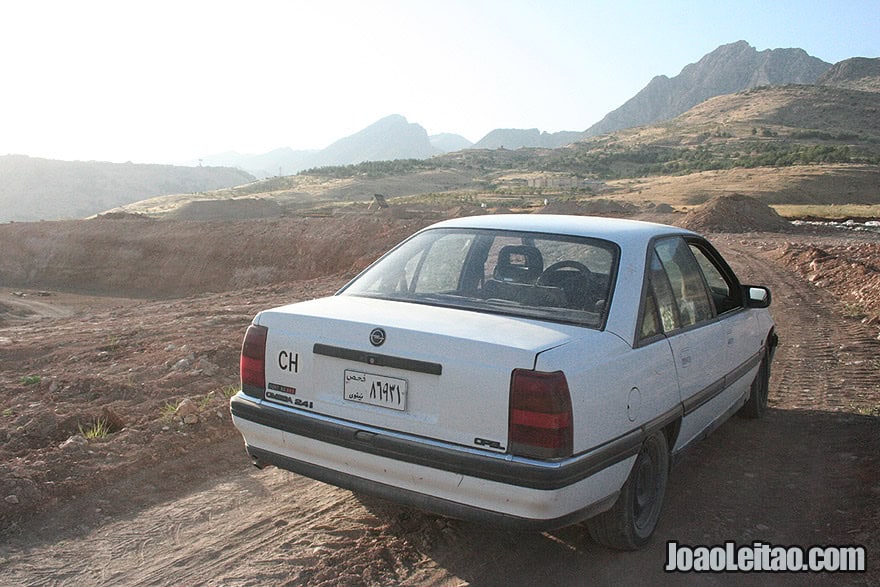
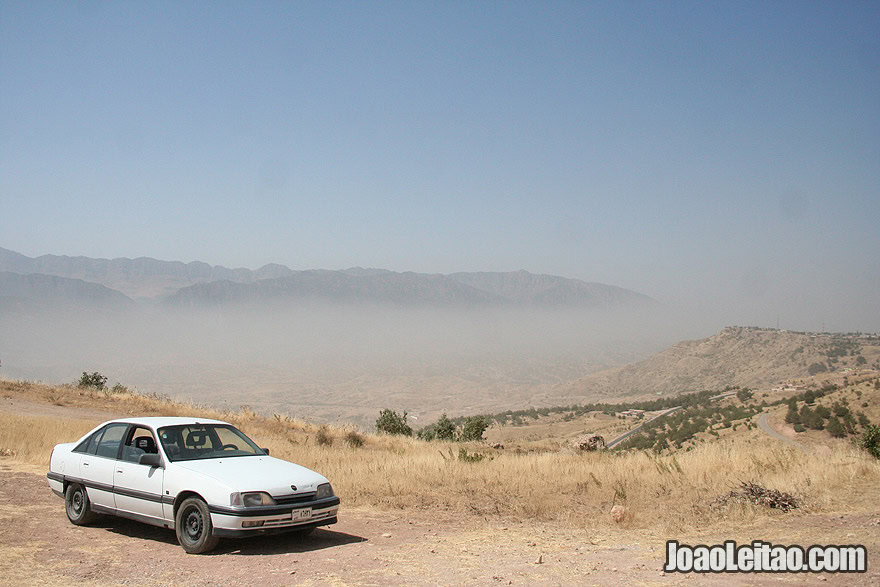
with his wife who was furious about him going out. We took his car and after 2 km / 1.2 mi he said that I was driving quite well. I was trying to get used to that old Opel and to the Iraqi streets with their occasional savage drivers.
The first stop was at a Christian religious complex at the foot of the mountain, where the church of Mar Odisu integrates into the landscape as if it belonged to it. We visited the chapels of Saint Mary and Saint Kardah.
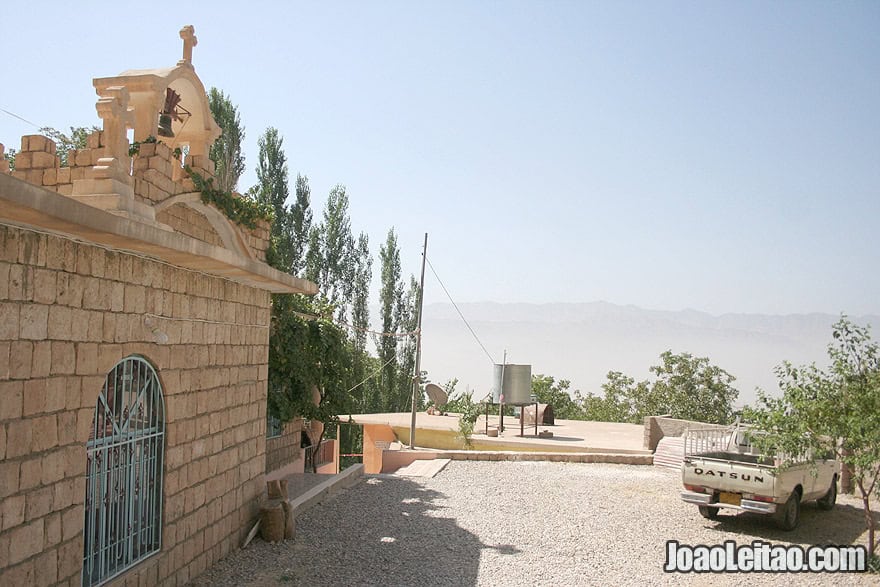
In the backyard of the church, there are many caves and sacred water springs, where thousands of pilgrims meet every Sunday to lay down next to the springs and socialize in this refreshing and ideal ambiance for a summer afternoon.
Pethio said that he would enjoy a fresh beer much more than those holy waters.
He showed me the old bombarded village and his new house at the top of the hill, and he informed me that he still had to fix the water and electricity connection, but he might finish it the following year.
I had to be back in Amedia before noon to meet Wisam and Sarkawt and visit some secret caves used for the Christian cult, as well as for refuge during the airborne attacks on the region in the sixties. That bombardment destroyed churches and villages in that zone.
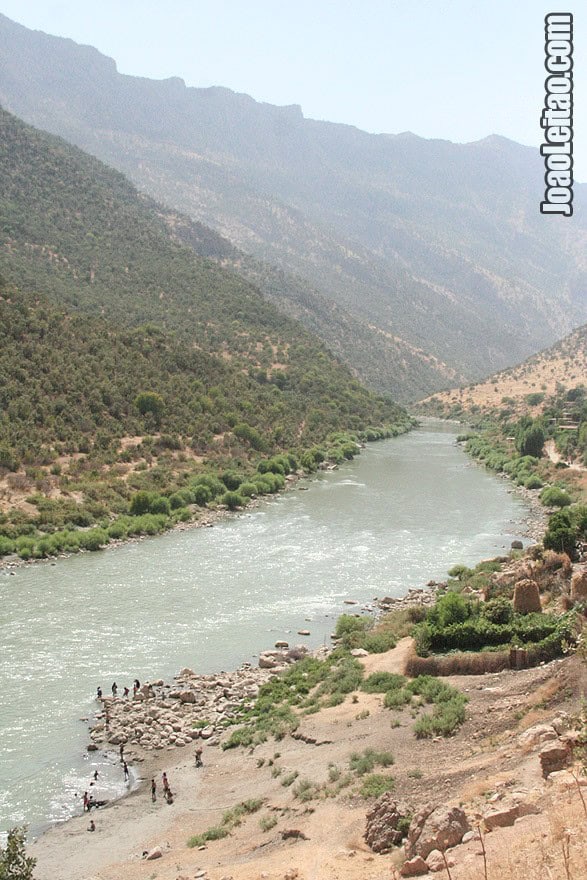
Afterward I intended to go to Barzan, about 100 km / 62 mi away, to see the cemetery where Mollah Mustafa Barzani is buried, father of the Kurdish revolution and who fought for the independence of the region for decades. His son, Massoud Barzani, is the president of Iraqi Kurdistan. For me, the visit to that site was full of historical interest. I simply had to go there.
Pethio quickly offered himself to go with me, as he had a car. We would go together since we were already on the road.
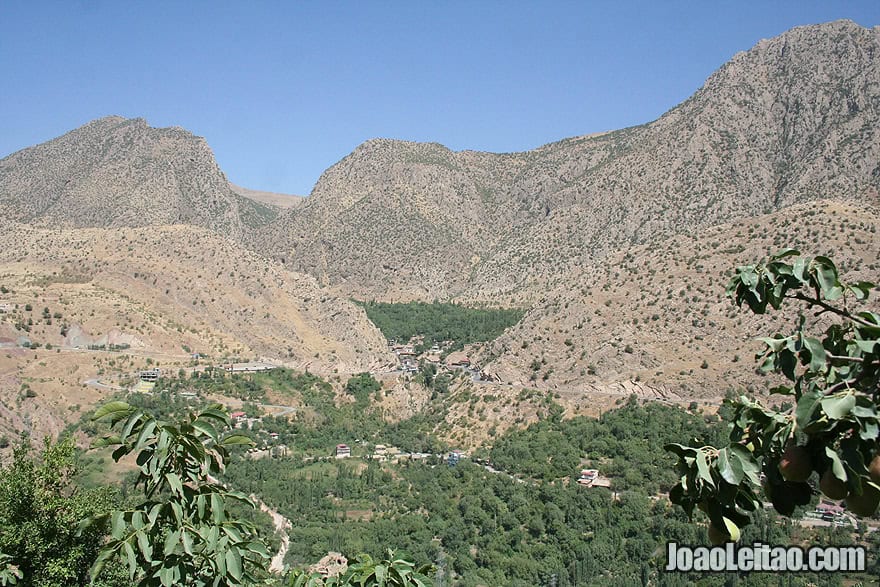
He wanted to get out of Amedia and travel a little bit. He told me that when he was younger, he traveled quite a lot through Jordan, Egypt, and Syria and acquired wanderlust back then, but now restrained himself to Amedia, the village where he teaches, and his vegetable garden. At the end of the day, he showed me this place in the suburbs of Kani and with an impressive view over Amedia on the top of the mountain.
We called Sarkawt to cancel our appointment and went towards Barzan, a city in the middle of nowhere, in Northern Iraq.
NOTE: This travel article is part of my e-Book OUT FROM THE LIGHT – Travelogue in the Republic of Iraq – Kurdistan Region. It will be available soon.
Map of my Iraqi road trip
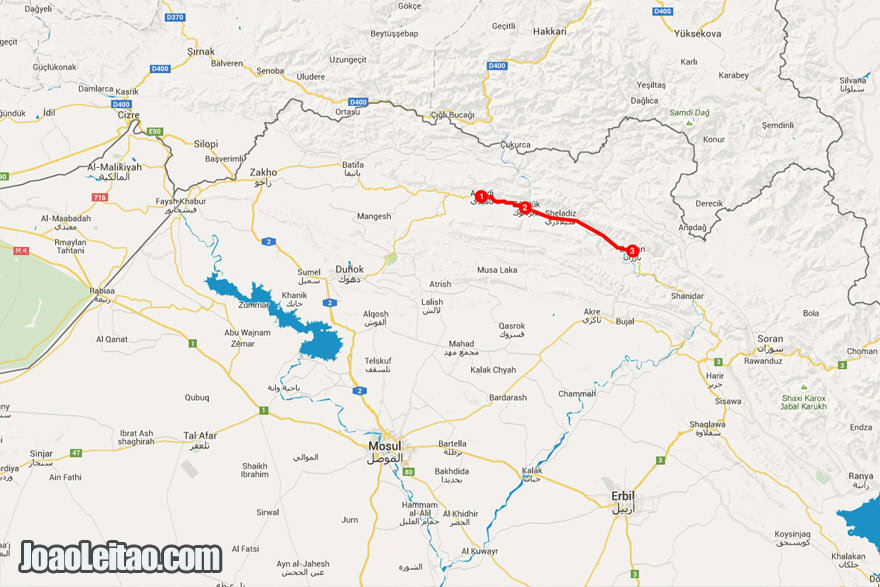
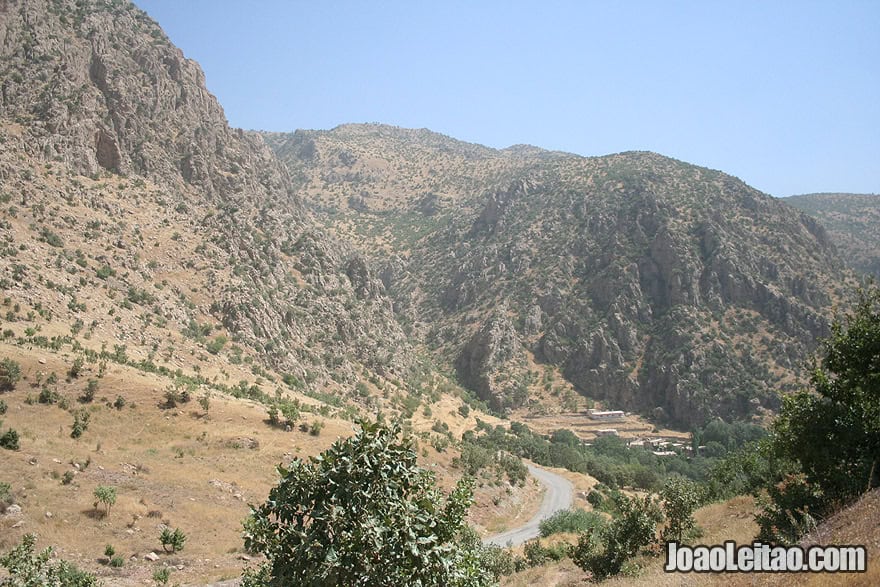
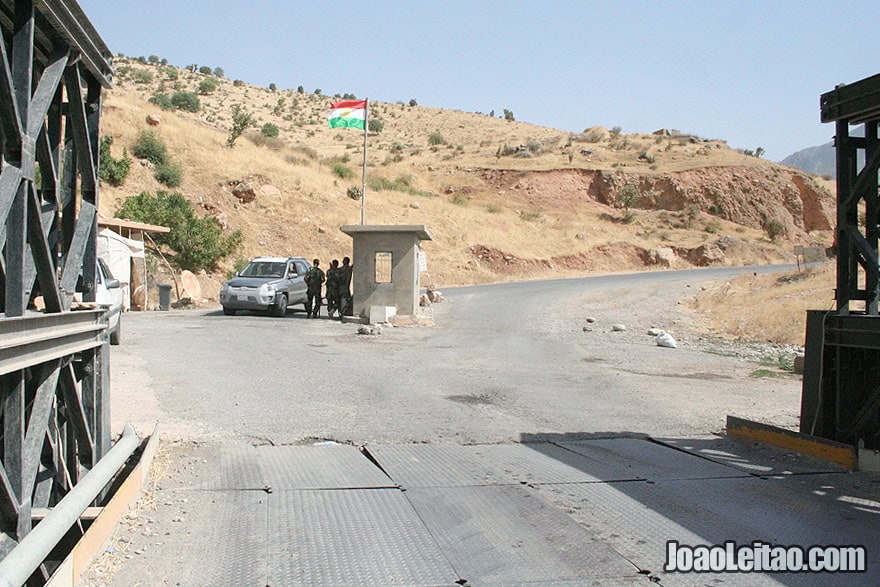
The region of Barzan is protected by a series of military checkpoints used, on the one hand, to keep guard of the birth zone of the Kurdish politicians and, on the other, to control the area due to the PKK guerilla fighters who struggle for independence on the Turkish side.
There are Turkish military barracks right in Amedia with war tanks and combat vehicles.
First, we visited the Christian village of Kani, where Pethio teaches English and where he has some relatives. At that moment his brother was cooking bulgur at that moment with his neighbors who were waiting to meet me.
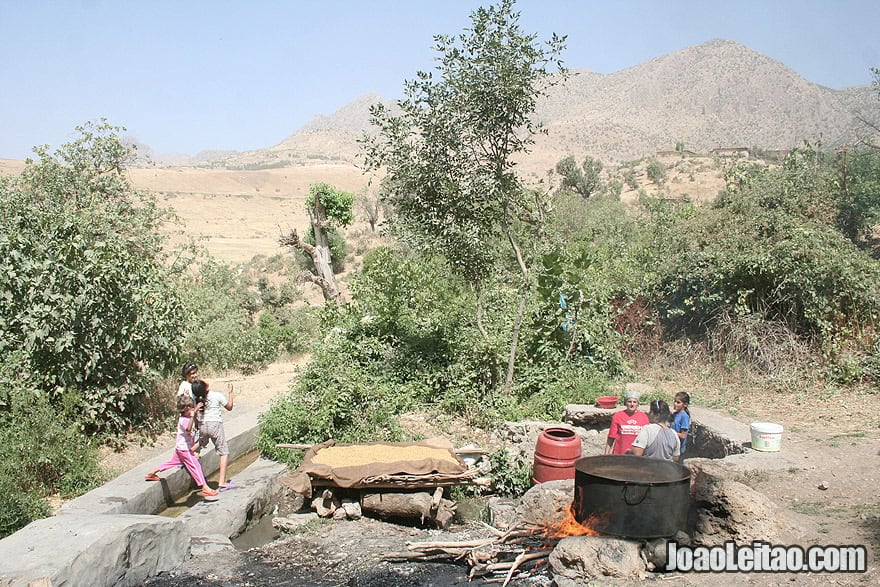
Bulgur is a fundamental and integral part of the diet of the people of that region, mainly of the Christians, because I learned through later comments that it is more common among Christians than Muslims. It is prepared and pre-cooked to be stored and eaten during winter.
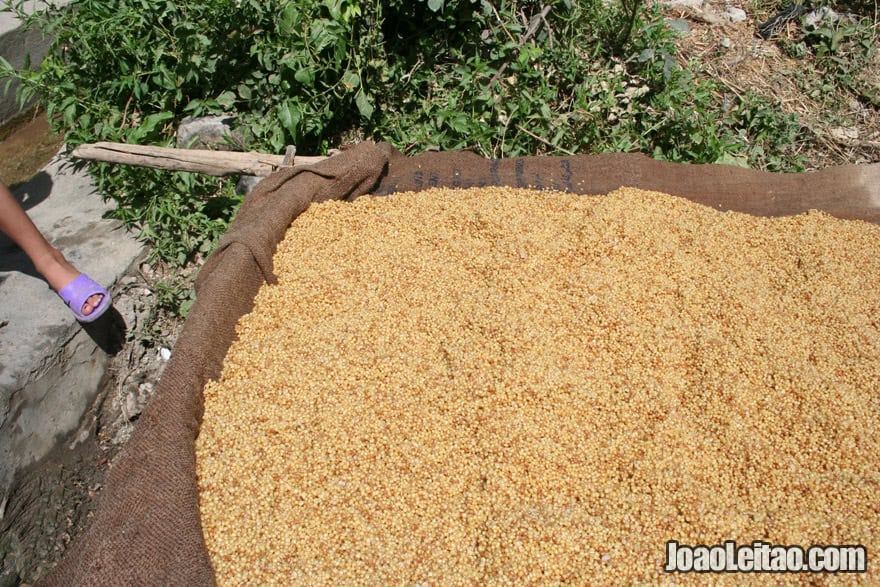
While we carried on our journey towards Barzan, the heat was intensifying, and Pethio was craving for a cold beer. Unfortunately, there was none in Kani. We had to wait until Deralok.
In Deralok we stopped one time to meet the father of Pethio’s daughter-in-law, who has a small corner shop on the main road. He and his son Iwab were laughing and chatting joyfully with an elderly lady dressed in the traditional clothing of Iraqi Syriac Christians.
A few kilometers further on we stopped again for Pethio to buy a cold beer. Finally, the old chap was smiling 100%. Yes indeed – journey, company, and beer. I was in heaven.
At one of the police checkpoints, we gave a ride to an elderly Muslim lady who spoke all the way with Pethio.
Her nephew only wanted to stop and buy ice-cream as the infernal heat in that Kurdish mountain region was becoming unbearable.
It took us about two hours from Kani to Barzan. The road is not in bad shape, but it needs some improvement, and the drivers are a little aggressive.
After Pethio had asked for directions and stopped for an ice-cream and some juices, we drove to the Memorial of the Barzan family, where at present they are building a big complex with several buildings, which will become the museum of the Kurdish revolution.
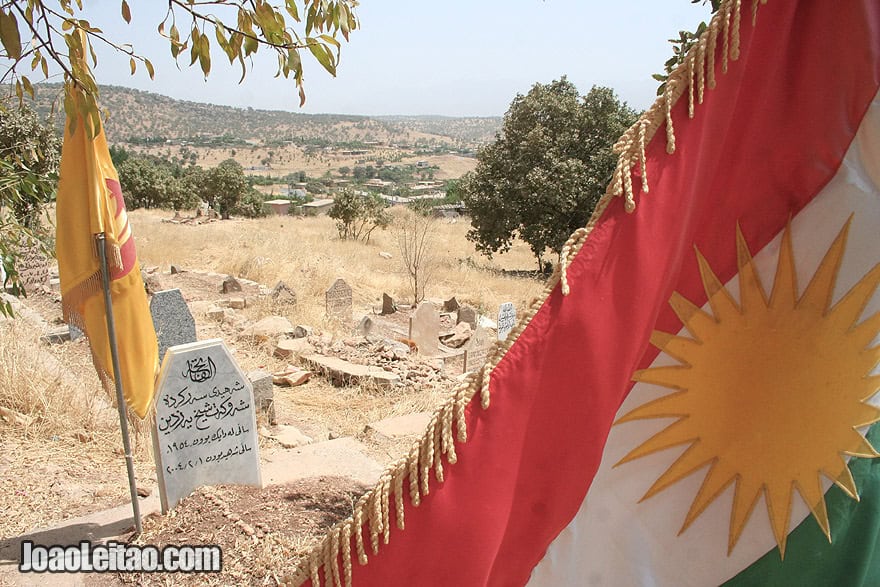
The guard welcomed us, always with his AK-47 in his hands. I went to take pictures inside the cemetery full of Kurdish flags and of the KDP – Kurdistan Democratic Party.
We were starving, and Pethio entered a building we thought to be a restaurant, but it was really a catering center for visitors and pilgrims of the revolution where the supporters are offered free food and overnight stay.
We were very well received and, as we are both vegans, we ate rice with tomato sauce. Luckily it was not meat sauce because the dish of the day was roasted meat with a separately prepared sauce with potatoes and onions.
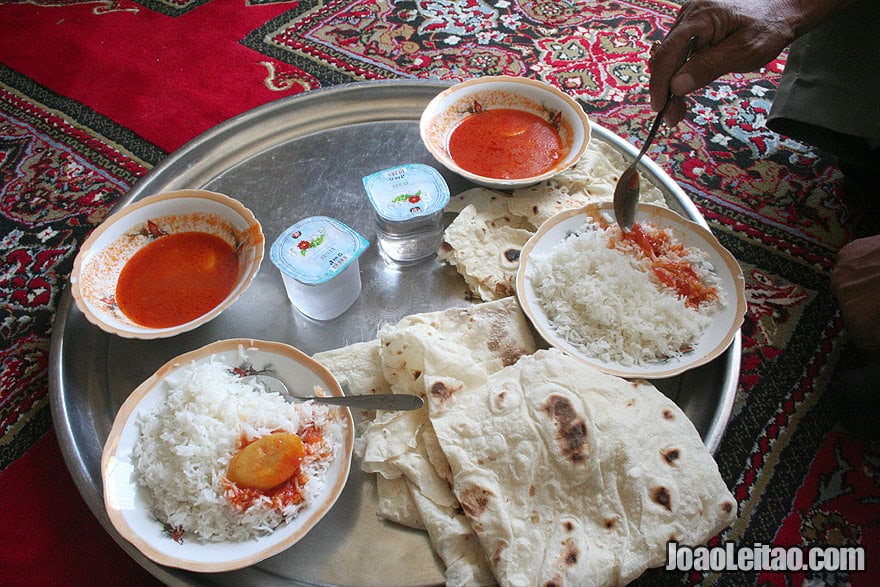
Umm yummy: bread, tomato sauce with onions and potatoes, melon and fresh water. It was really delicious.
On our way back, we stopped again in Deralok to go to the house of the man I met at the corner shop. Again, I got melon, tea, water, pastry, and strangely enough the room was full of beautiful girls, all smiling.
I think it was an attempt to find a bride for me.
Certainly, something prepared by Pethio and his son-in-law to see whether I would fall in love with one of them.
Me, marrying a beautiful Syriac Christian in the Iraqi Kurdistan?
It did not happen.
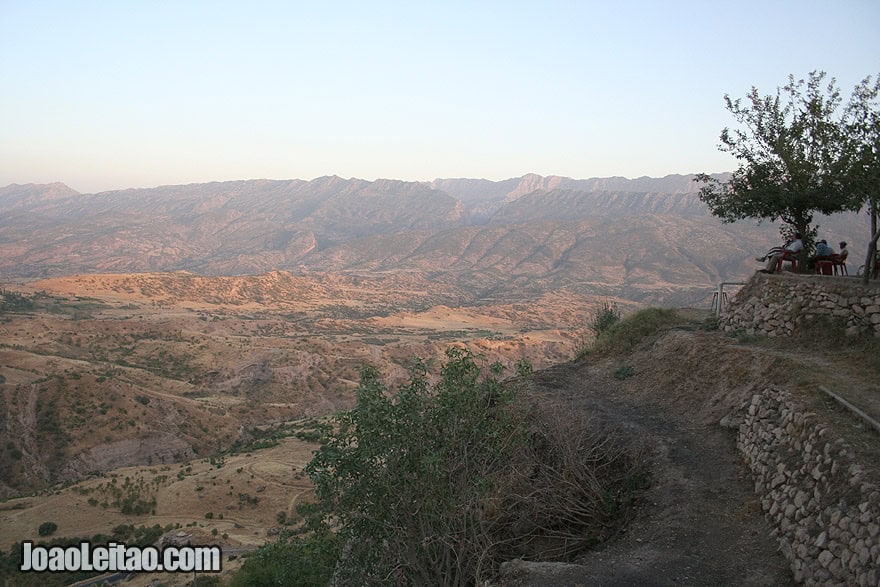
Back in Amedia, I went to Andrei’s shop to meet Sarkawt and Fawzi. We later went to Sulav for a spin and go up the valley to meet some of their friends. The day had gone and quite full. The next day was another long day of travel.
NOTE: I’ve been to Iraq three times. The first time back in 2010, the second time at the beginning of 2016, and the third time just recently in 2018 traveling for one month driving my campervan. Throughout recent years, Iraq has become safer, and there are many areas that can be visited without any issues. If you think you’d like to make such a trip, check out RJ Travel available Iraq Tour Packages, as there are many tour options for Iraq Kurdistan.
Read my page: