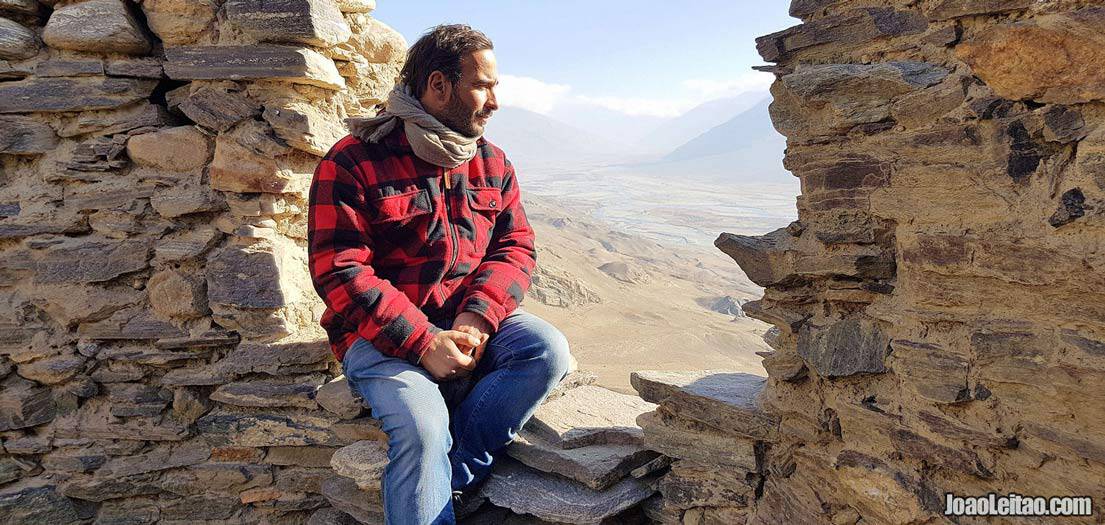
I studied Visual Arts, painted before I photographed, and in 2005 spent a month in New York studying photography with Steve McCurry — walking parts of the workshop alone with him, trading ideas with the man who shot the Afghan Girl. Everything on this page comes from that lineage plus 27 years of roads.
Where This Comes From
- Training
- Visual Arts degree · classical drawing in New York · the 2005 McCurry workshop at his atelier
- Practice
- 27 years, 146 countries, exhibitions and street fairs from Lisbon to Williamsburg
- Proof
- 35 animals that looked back · the People of the World portraits below
People of the World
the McCurry lesson, applied for two decades — look at people until they look back

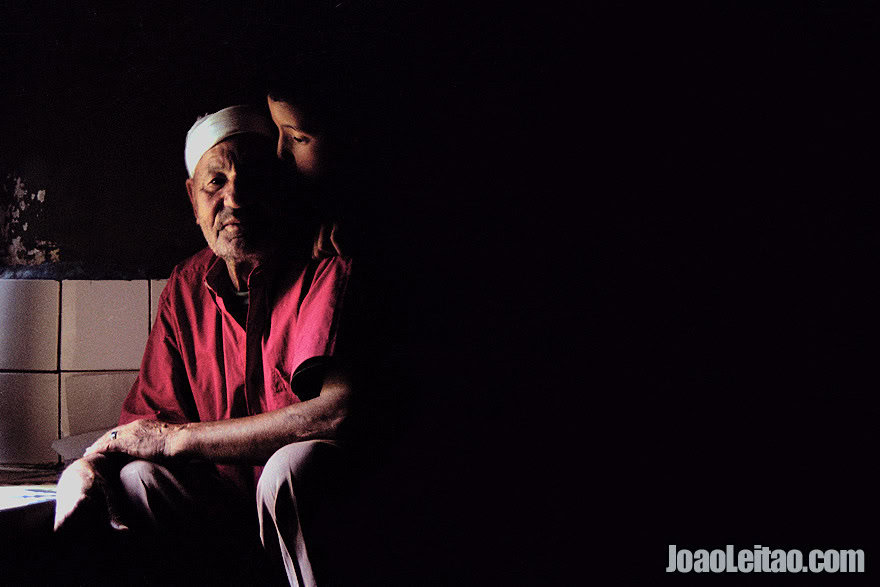
The portrait archives live country by country: Iran · Morocco · Mauritania · Senegal & The Gambia.
How I Actually Shoot
six field rules from my longer tutorials — the full chapters are linked after
- 1. Choose the Best Light — Are you traveling in a fabulous location but can’t get a photograph you love? Or you had to photograph a specific place, but when you got there your pictures looked nothing with th
- 2. Forget the Lens Caps — SLRs lenses come with a cap to protect them from scratches and other potential damages. It’s better to remove the lens and store it in a safe place. Does that mean the lens is unpr
- 3. Gray and Gloomy Days? There’s Night… or Black and White! — Sometimes we reach a location, and it’s so overcast, the clouds are so compact and low that it looks like all colors were sucked from the world. Of course, ideally, you’d have the
- 4. Keep the Camera at Room Temperature — Some people advise you to protect your gear from extreme temperatures, especially cold because it drains batteries fast. It’s all true, but you can’t overlook condensation problems
- 5. Try HDR – High Dynamic Range — In simple terms, HDR (an acronym for High Dynamic Range) is a technique to prevent a photograph from having too much light contrast. How many times have you wanted to shoot a scene
- 6. Carry Backup Gear — If you’re passionate about travel photography, try to anticipate any mishaps that might happen during your trip. I’ve written about ways to keep your photos safe in case something
Composition, Short Version
- 1. The Rule of Thirds — This is the most famous rule of composition but, like any other one of the rules, it’s not meant to be followed blindly. Only if you want, and if your intuition and experience over
- 2. Clean Margins — This is one of the cases when this is an actual rule and not just an idea or a technique: it is crucial that you keep the margins of a photograph clean of loose and distractive ele
- 3. In Symmetry, the Center — I already told you that there’s nothing strict or fixed about rules. I just told you about the rule of thirds and the importance of fighting the urge to put our focal point in the
- 4. From Left to Right — Our mind processes the visual information from our eyes from left to right. It’s a habit that comes from reading, at least on the Western side of the world because in other culture
- 5. Keep it Simple — Try to keep the scene you’re capturing as simple as possible. The more information our mind has to process when we look at a photo, the less impact the image will have. Why give vi
- 6. Use Light as a Pointer — Light attracts attention. When looking at a photo, our eyes tend to look for the area where there’s light. You can use this to increase the highlight on the primary target of the p
The complete chapters: the beginner’s guide · 12 field tips · 20 composition rules · what I carry.
The Galleries
Wildlife: 35 animals that looked back · the photographers I rate: the verified census.