Iraqi Kurdistan

Home · Destinations · Iraqi Kurdistan
32 places most visitors never find + six city guides — every one visited in person

I came to Iraqi Kurdistan twice, and the second time I didn’t leave for a month. The first was 2009 — hitchhiking, Dohuk to Akre with my thumb out. The second was 2018: a full month living here in my camper van, 1,638 km of it — the Amedi–Barzan road, Mosul six months after liberation, and almost every one of the places on this page. Two trips. This is everything they taught me, finally in one place.

This guide used to be scattered across three separate pages. It is now one: the six cities that anchor the region, then the 32 places — canyons, rock reliefs, Assyrian aqueducts, Saddam’s ruined palaces, cave tombs — that make Kurdistan the richest under-visited landscape I know. Everything below was photographed by me, on the ground.

The Reality — 2026

Visa
Visa on arrival STILL works for EU, USA, UK, Canada, Australia and more — at Erbil and Sulaymaniyah airports and the Ibrahim Khalil land border. It covers the Kurdistan Region ONLY: federal Iraq (Baghdad, Mosul, the south) now requires a separate mandatory e-visa
Overland
Bus from Istanbul or Diyarbakir to Zakho’s Ibrahim Khalil crossing, then shared taxis via Dohuk to Erbil — the border is KRG-run
Safety
The stable corner of Iraq for two decades, with its own security forces. Western advisories still cover all of Iraq at the highest level — read both them and first-hand accounts
Season
March–May (green mountains, Newroz) and September–November. Summer is 45°C+; Amadiyah gets snow
Money
Cash economy — bring USD to change. My 2019 price notes survive below as historical reference; expect higher

The Six Cities

the anchors — condensed from my month living here on wheels

Erbil

Erbil was my first stop in Iraqi Kurdistan. The bus driver left me on the highway outside the city. I took a taxi to the city center and started searching for a place to stay. Finding a hotel in Erbil was my first adventure since it was very hard to get an available room. Erbil is a fascinating city with lots of history and strong Kurdish tradition. A walk in the city is a fantastic way to understand this Iraqi region unique and special culture. Erbil has some nice places to visit but bear in mind that the city has strong military protection, so don’t be surprised if you are checked while entering some public space like a garden or even a shopping mall. A walk around Erbil is a great way to get to know the city. Also, one can enjoy the marvelous sunset from the top of the 5000-year-old citadel, visit the several parks and markets and talk with welcoming Kurdish people. Throughout history

Erbil, Iraqi Kurdistan

This prosperous city is a mix of markets, carpet shops, a beautiful citadel, several huge mosques and a few centenary churches. The variety alone is reason enough for a visit. Erbil Fortress – Visit Erbil The Citadel of Arbil was just recently added on the list of World Heritage Site by UNESCO and it stands upon the most prominent hill of the city. This is the main core of Erbil’s historical center. The Citadel of Arbil has been permanently occupied since 5000 BC. The importance of this fortress declined after the Mongol invasion of 1258. Minar Garden – Visit Erbil In the city center we can visit the pleasant Minar Garden, also known as the Minaret Park. In this park there is a small art gallery and some artificial waterfalls. However, its most important feature is the 12th century tall minaret 36 meters / 118 feet high. Qaysari Bazar – Visit Erbil Qaysari Market is where you can shop for some Iraqi carpets and rugs. The Qaysari Bazar is always packed with local people and it’s a great way to feel the city’s busy life and commercial facet. Shanidar Park – Visit Erbil Near the Minaret Park there is another garden. They are actually connected by cable car. Shanidar Park is a place where families gather for some afternoon walks or weekend picnics. Museums – Visit Erbil The Kurdish Textile Museum is a non-profit weaving project organization founded by Lolan Sipan in 2004. In this museum you can learn about types of carpets and the history of weaving in the region throughout the centuries. The Kurdish Textile Museum is located inside the Citadel of Erbil. [message_box type=”attention”] Read the page : Kurdish Textile Museum official website.[/message_box] A visit to Erbil’s archaeological museum is a must, since it contains pre-Islamic artifacts and you can have an idea of what the city was like along its existence. The Syriac Heritage Museum is also known as Ankawa Museum. It exhibits several historical artifacts and documents related to the cultural presence of the Assyrians in the region. Erbil Civilization Museum is located in Municipality Street, just across Francoise Hareeri International Stadium.

Dohuk

The city of Dohuk is surrounded by mountains along the Tigris River. Dohuk was an ancient Assyrian city that got forgotten in time. It only gained regional relevance again in 1236, when the Kurds came to rule. Dohuk is another fantastic Northern Iraq city, with very nice people and great places to visit like the Gely, the central market, the various gardens and the Church of St. Ith Llaha. I was invited to an engagement party in Dohuk, which turned out to be one of the best experiences I had in the country.

Dohuk, Iraqi Kurdistan

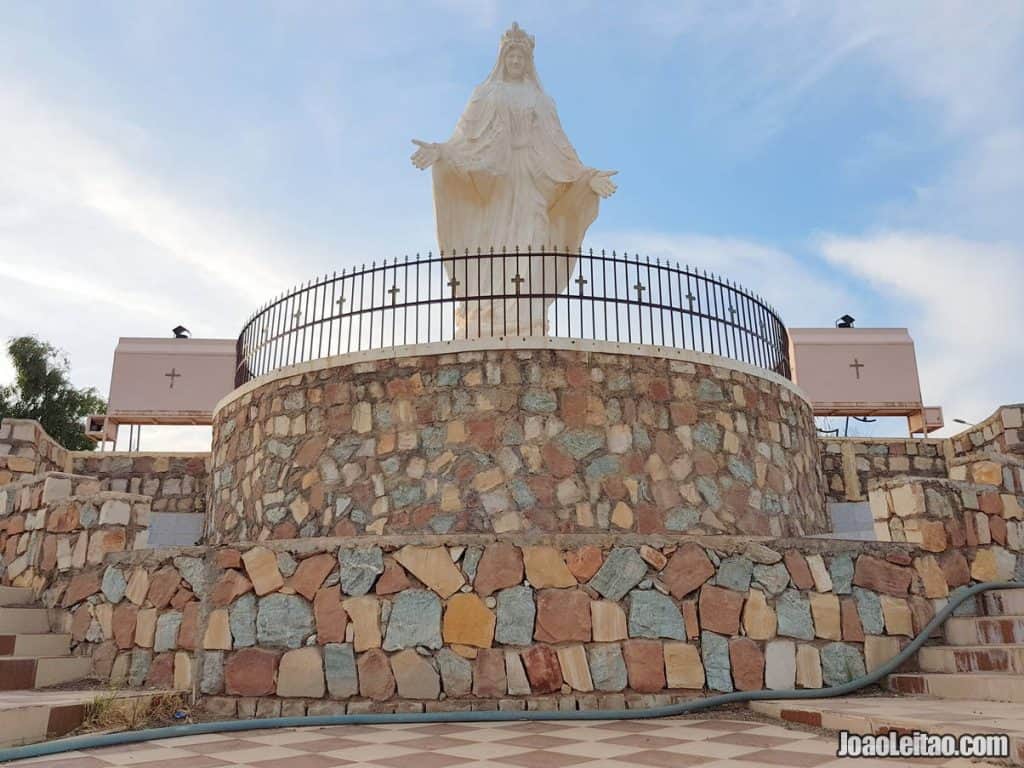
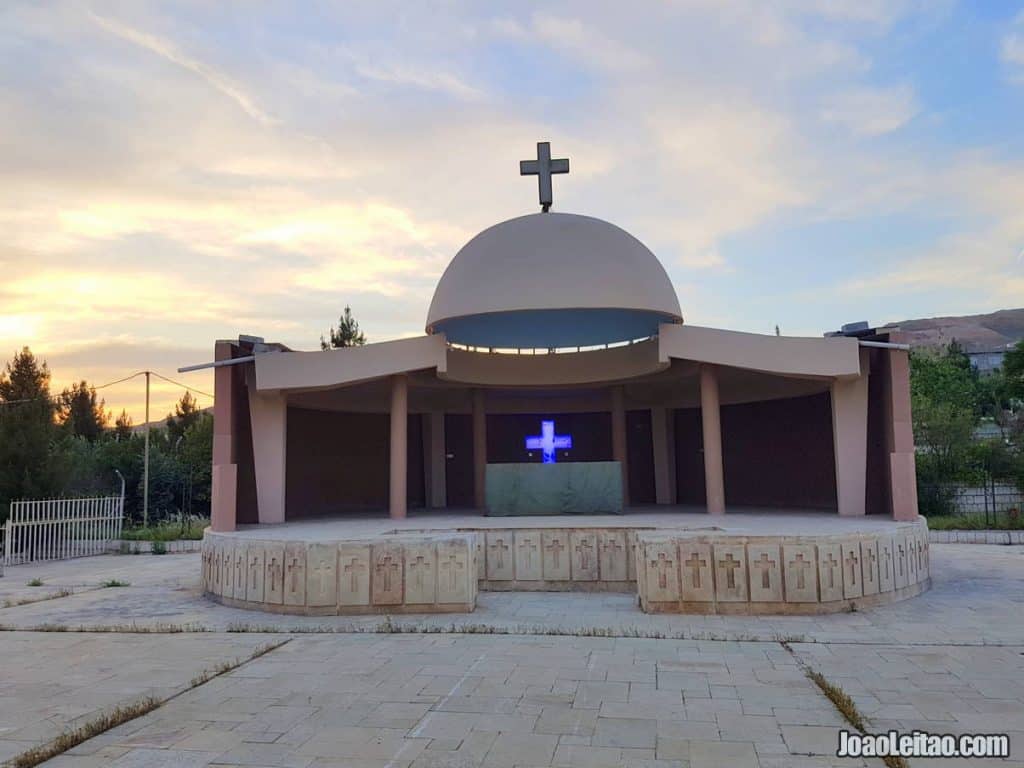
Dohuk is a really energetic city with a population of very friendly people who are curious about foreigners and like to help them out. Engage with these people and take the memories home with you. There are several interesting places in Dohuk, which I visited, like the market, the Church of St Ith Llaha, the gardens and parks, the Gely Valley. Dohuk Dam – Visit Dohuk Dohuk Dam is a famous place for weekend family picnics. During the night, many people drive here to enjoy the spectacular view of illuminated Dohuk from the top of the valley. There is also a nice waterfall to see. Bazaar – Visit Dohuk Dohuk Market is a great place to see how local people interact with each other. You will find all types of people shopping in the market and you can literally buy everything here, from modern clothes and cell phones to more traditional goods such as spices, Kurdish clothes and carpets. Church of St. Ith Llaha – Visit Dohuk Saint Ith Llaha Church, west of Dohuk, is actually the oldest church in the region, dating back to 500 AD. This church has a simple but beautiful architecture and a blue-and-beige outdoor chapel dedicated to the Virgin Mary. When I was there, the interior was wonderfully decorated with flowers. For me, the highlights are the cross behind the altar and the lamp near it. Corniche Promenade Afternoon favorite spot for families and young couples. The Corniche Promenade invites people to enjoy the tranquility of this part of the city with its amphitheater, gardens and cafés. Dream City – Visit Dohuk Dream City is an amusement park located on Zakho Way. This is Dohuk’s children favorite place.

Amadiyah (Amedi)

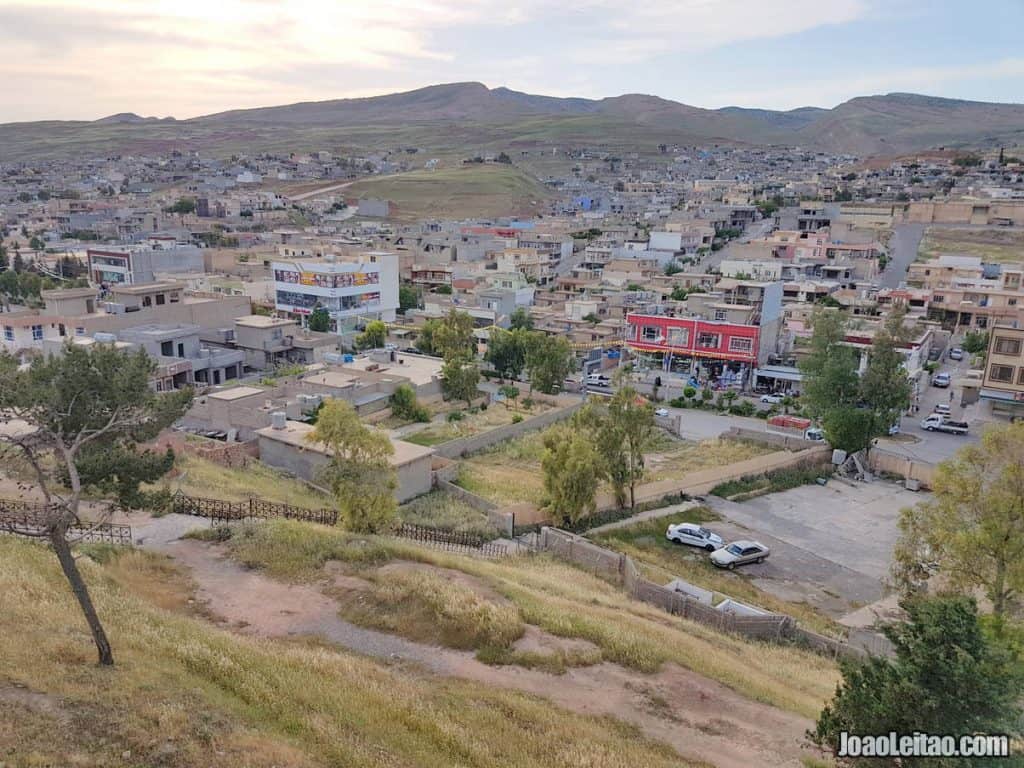
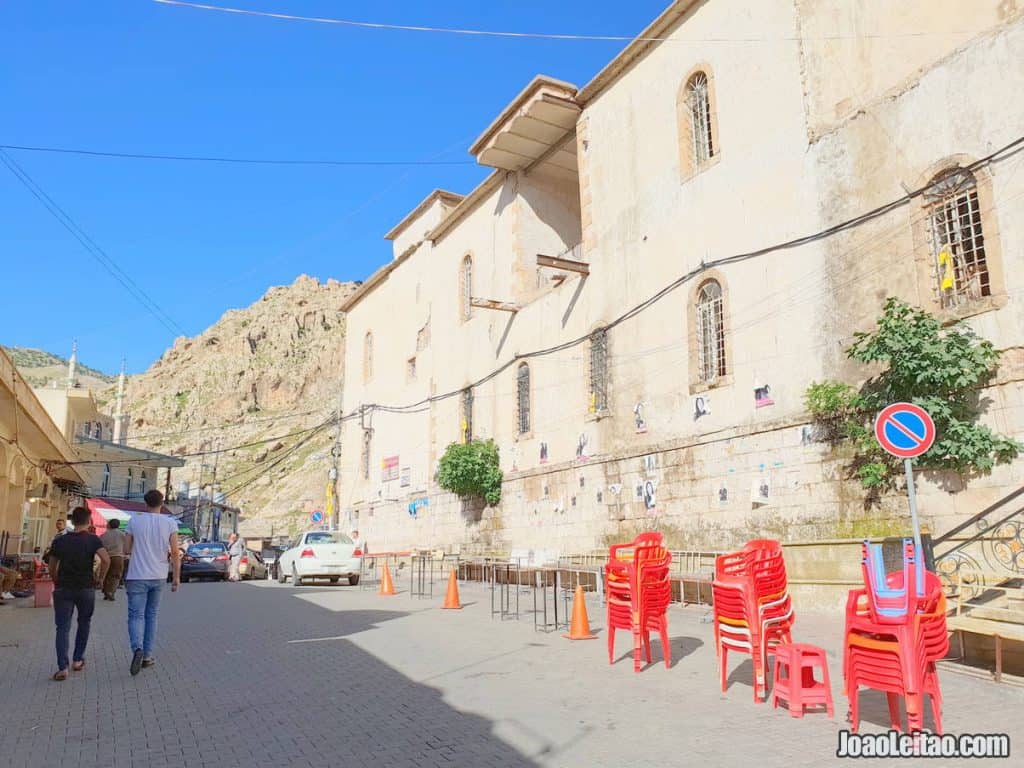
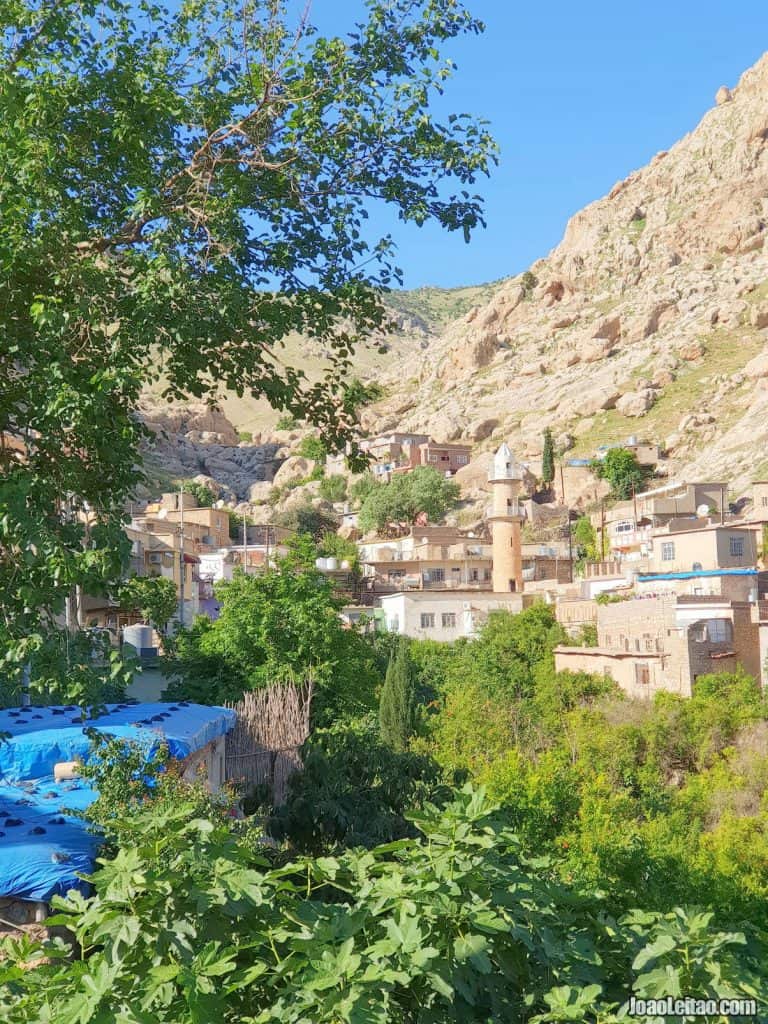
This is an amazing place. Amadiyah (Amedi) rises itself on top of a rocky hill like an island. It has great views to the surrounding mountains, especially if you can go up the 500-year-old minaret – first you have to search for the guy who has the key. Also, don’t miss the Badinan Gate, which is astonishing during sunset.

Amadiyah (Amedi), Iraqi Kurdistan

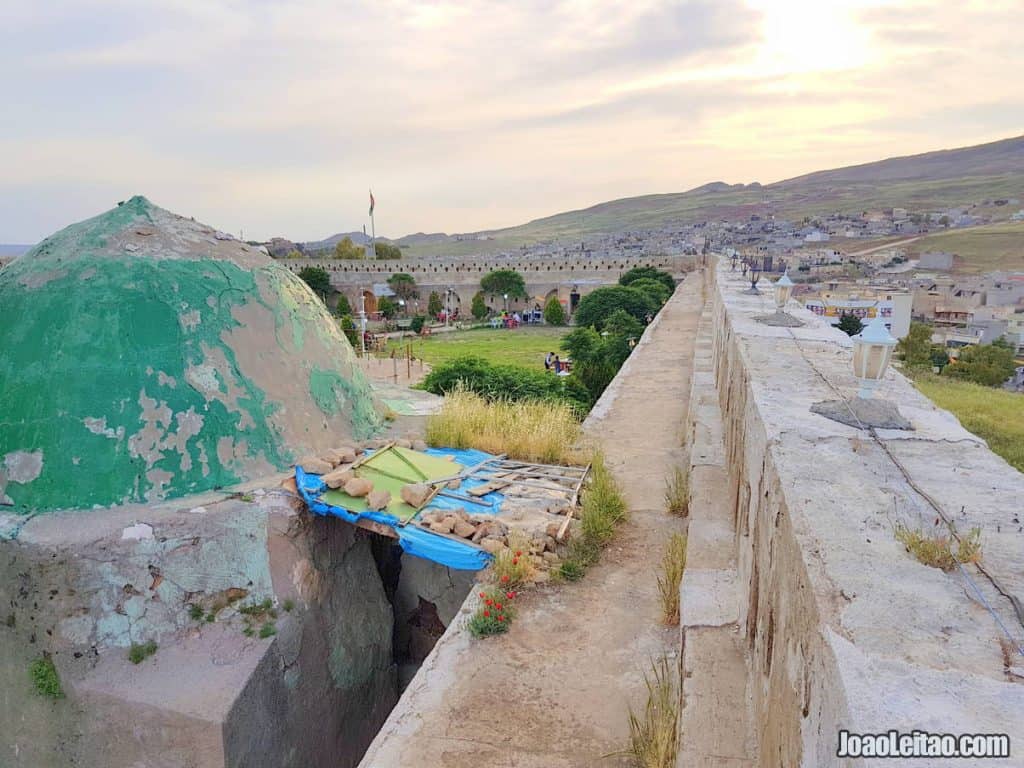
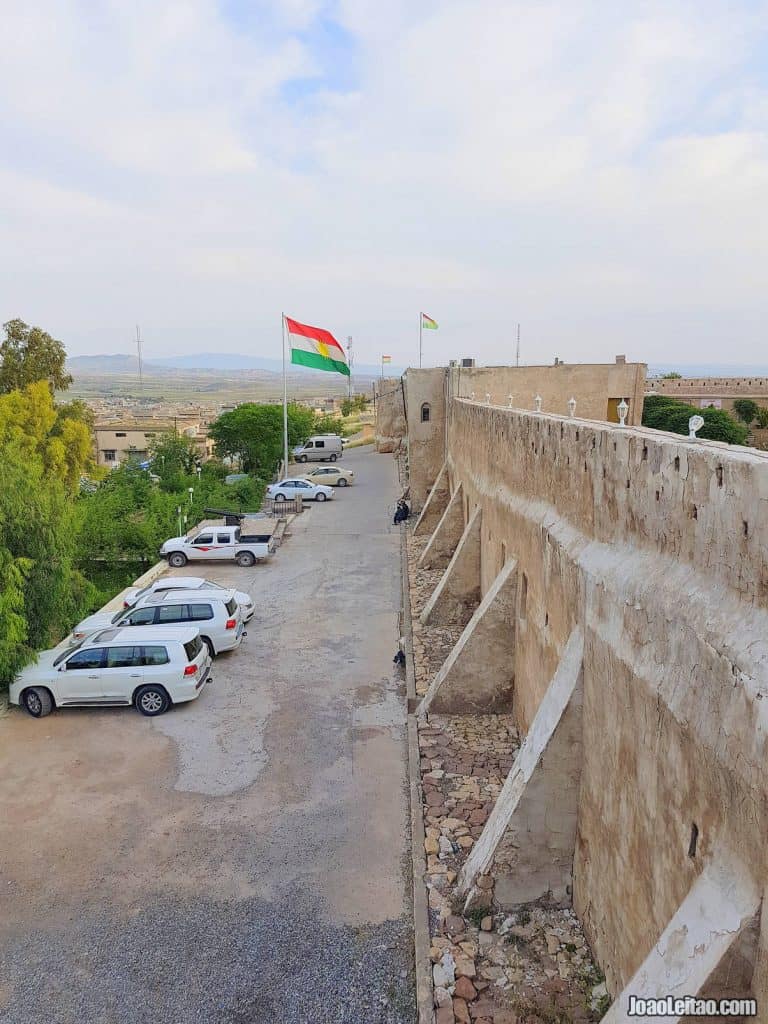
Amadiyah is indeed an historic city with testimonials from the past in which the locals take great pride. Nature also has a strong presence here, with a natural spring making it a good place of relaxation for visitors. Badinan Gate – Visit Amadiyah Badinan Gate is located on the east side of the citadel. It is the ultimate witness of the ancient Assyrian fortress which protected people from invaders. Getting there was easy with the help of some people who were proud to see someone interested in the place where they lived. The views from this part of town are great. Amedi Ramparts – Visit Amadiyah Walking close to the ramparts around town is a great way to discover old streets and corners which lead to somewhere new. Whenever you can, take a peak over the magnificent landscapes of the surroundings from the 1,400m / 4,600ft Amadiyah. Amedi Bazaar – Visit Amadiyah Like every other bazaar in the region, the one in Amadiya is a lively place with lots of action going on. This is the “shopping center” Kurdish style. Enjoy the colors and diversity and buy something to eat or take with you home. Go up Amadiyah’s Minaret A mosque tower is called minaret. So, if you are able to get the key of the tower, and go up the 500-year-old minaret… That will definitely make your day. The views from above are breathtaking. Sulav Resort, – Visit Amadiyah Sulav is a natural water spring that makes a nice fresh river go down the mountain. It has many restaurants and cafés to stay and take a rest while tasting Hookan (or shisha), a stemmed glass-based water pipe for smoking flavored tobacco. Some of these cafés even include chairs inside the river where you can relax at the end of the day. This is also the local people’s favorite place to have a picnic with the family and have fun. Sulav Resort is an entertainment complex at the end of the road from Dohuk, 5km north of Amadiyah. Sulav can be easily seen from Amadiyah and offers amazing views to a very photogenic scenery. Sulav is visited by lots of tourists from all over Iraq. During the summer, it also receives many Arabs from Bagdad who go north to enjoy a little bit of peace and have a good time with their families.

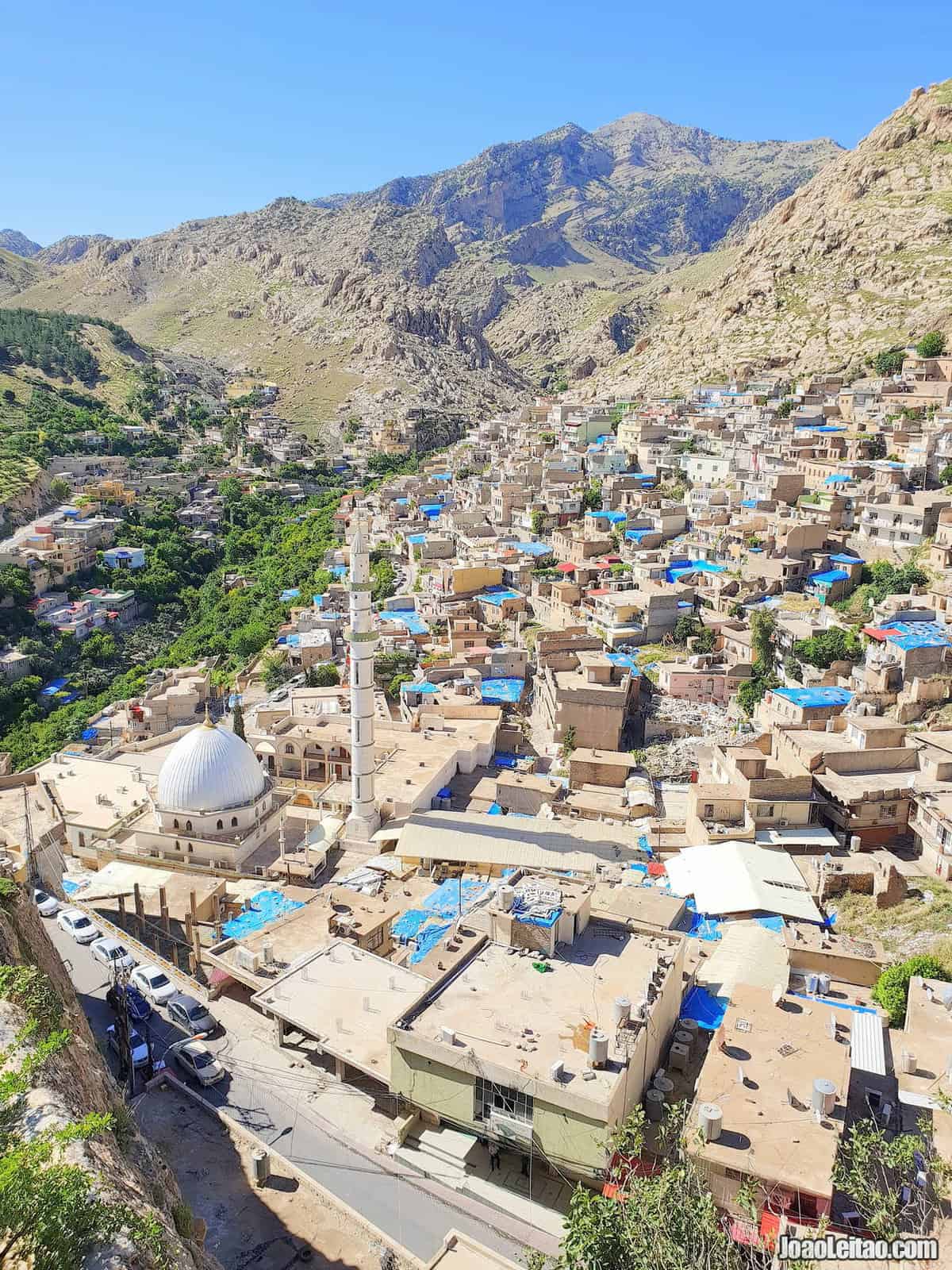
Akre (Aqrah)

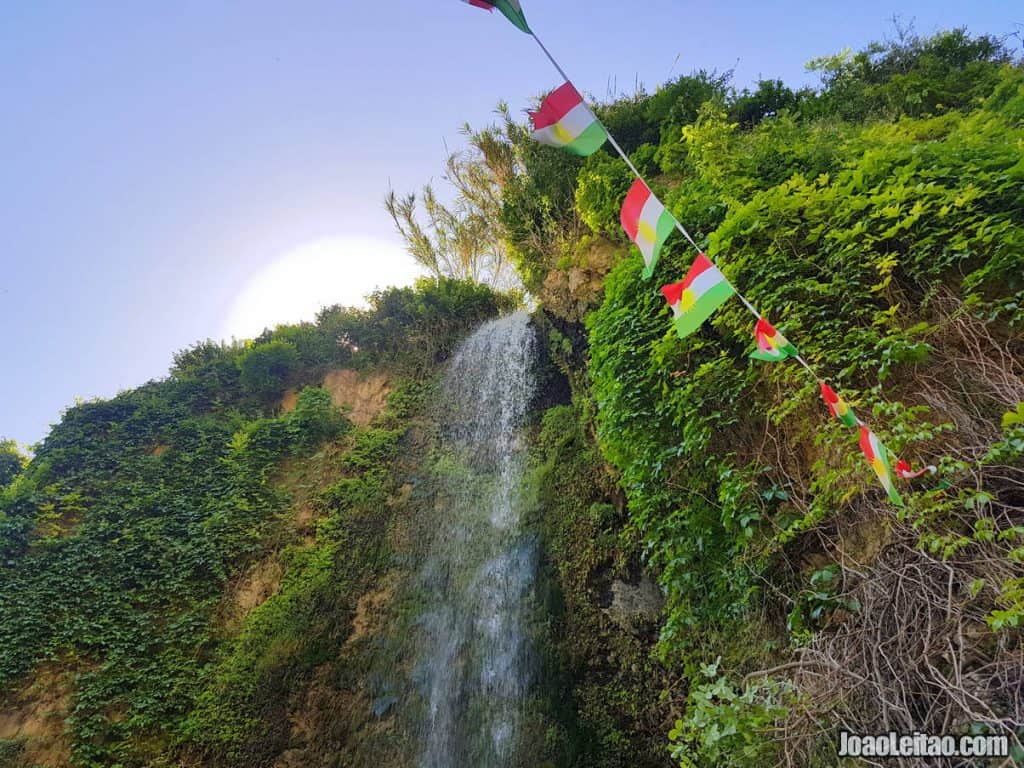
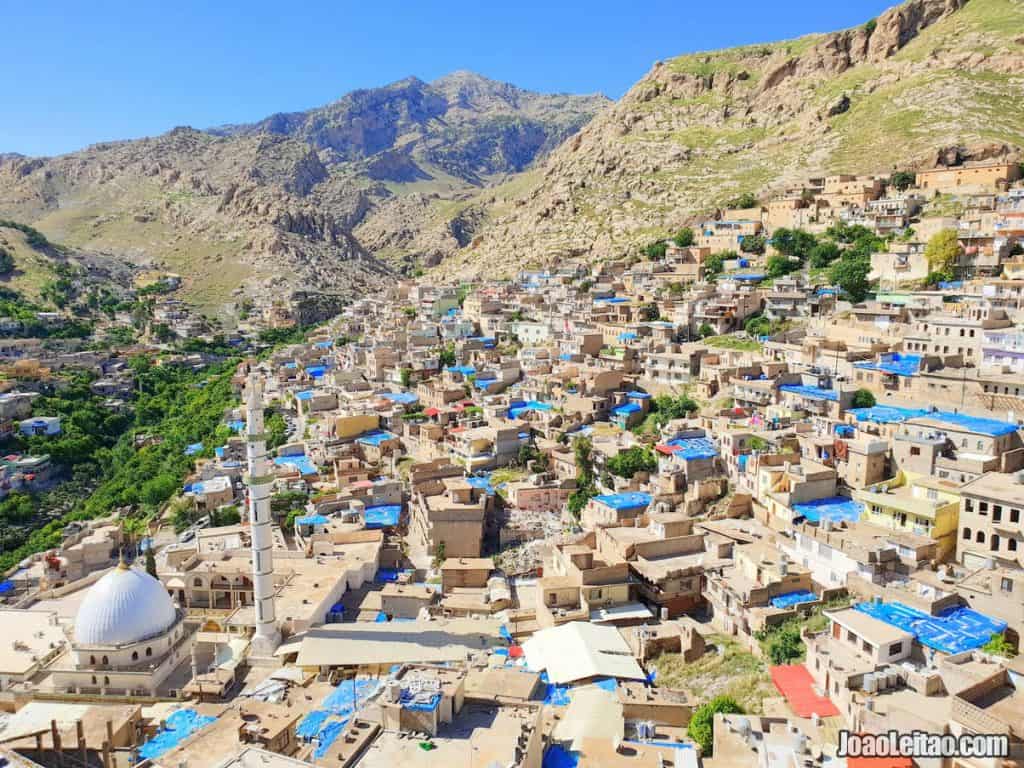
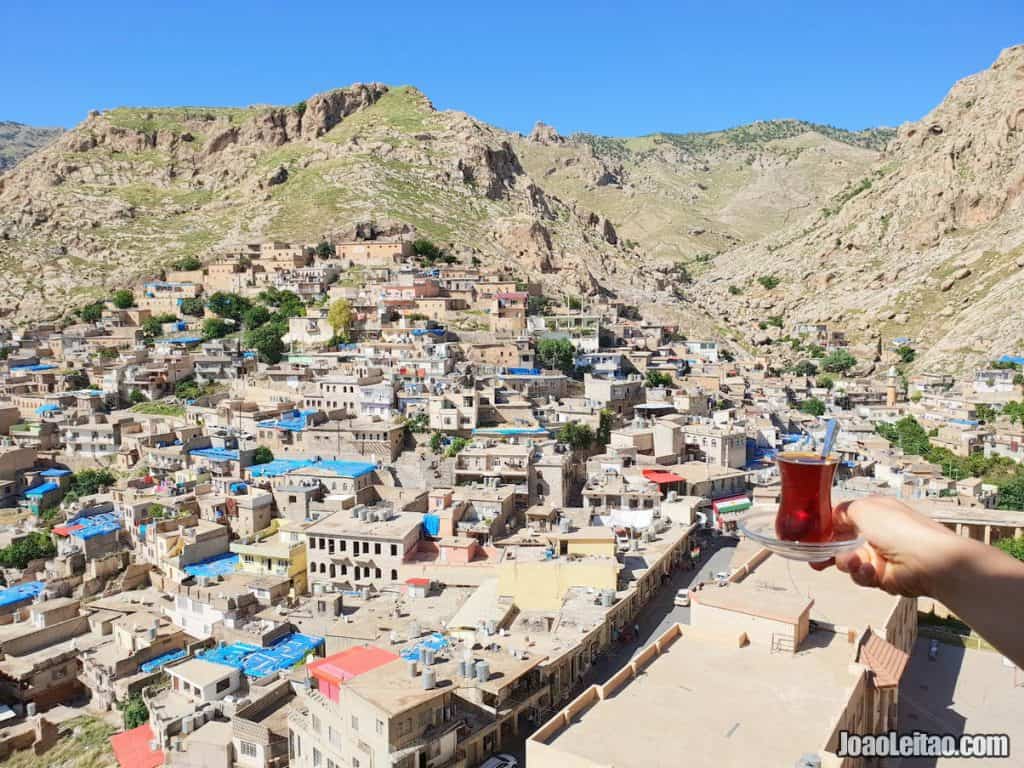
I hitchhiked here all the way from Dohuk. The city, once containing a large Jewish population, is amazing, with the buildings on the hill, a huge mosque and striking views. There is also a nice waterfall. People are very friendly and happy that tourists visit their town.

Akre (Aqrah), Iraqi Kurdistan

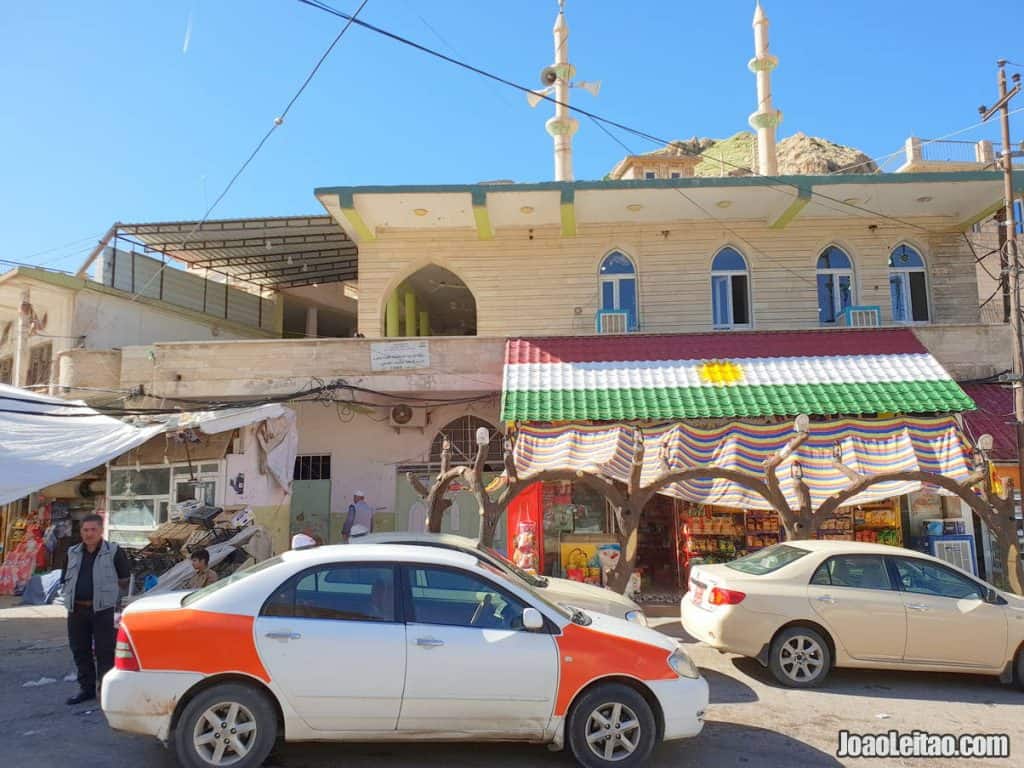
Old city – Visit Aqrah Built on a sharp hill by Prince Zand in 580 BC, the old city of Aqrah (Akre) is best explored walking around town to locate hidden staircases in the tight alleyways. Try to find the water cistern and The Jail (an eagle-like room). The houses are colorful enough to keep you looking for some more. Aqrah Bazaar – Visit Aqrah The bazaar in Aqrah is a lively place, the center of life in the city. Resupply and get some smiles from local buyers and sellers. Sipa Waterfalls – Visit Aqrah Sipa waterfall is only 1km / 0.62mi away from Aqrah, to the east. The environment, mainly in summer, is refreshing due to the 18-meter-high / 59-feet-high waterfall which forms pools. Further away, to the east again, 13km / 8mi away to be precise, Sipa Bjail waterfall lies in a valley in the center of Bjail village. Several springs feed the waterfall, as well as provide moist for a lot of fruit trees. There are tourist facilities available. Aqrah Mosque – Visit Aqrah The Aqrah’s Old Mosque has a tremendously high minaret in white and green colors. This construction really stands out in the skies of this mountain-surrounded city.

Barzan

This is the place of the famous Barzani family Memorial Center. You can visit the museum and the religious complex, including the cemetery full of Kurdistan flags and messages for the fighters of Kurdistan Iraq.

Barzan, Iraqi Kurdistan

Kurdish heroes cemetery – Visit Barzan Since Barzan is the ancestral home of the family who dominated Kurdish politics, the Barzani, their chief Mullah Mustafa Barzani is buried here. He is a national hero of Kurdistan for his fight against Baghdad’s government and for being the father of the Kurdish independence movement. This man’s grave is the reason for a pilgrimage of Kurds wanting to honor him at his last address, on a small hill surrounded by KRG (Kurdistan Regional Government) and KDP (Kurdish Democratic Party).

Salahaddin

I was left here as I took a taxi from Erbil to the castle and further to Salahaddin. I got some food in the center shops and waited for a shared taxi back to Erbil.

Salahaddin, Iraqi Kurdistan

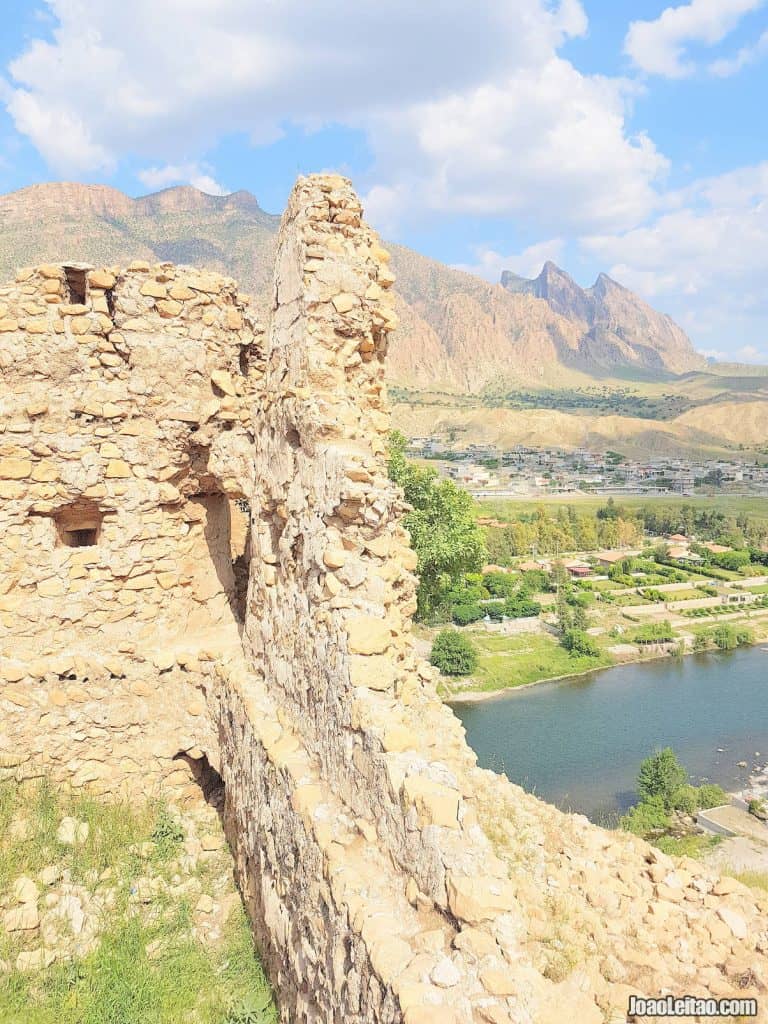
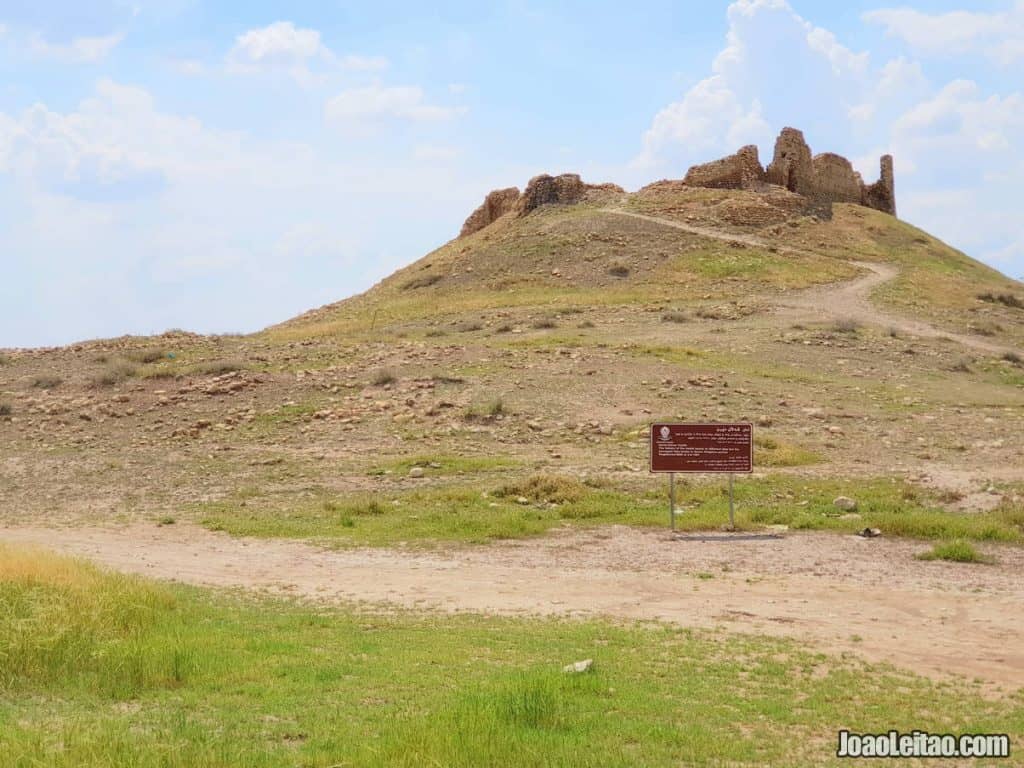
Not much to do in Salahaddin except admiring the scenery. Khanzad Castle – Visit Salahaddin This is a very small fortification on the road to Salahaddin. On top of a hill 20km / 12.4mi distant from Erbil, this stone castle was built during the Soran period (1816-1835). In terms of being worth to spend taxi money and time to go there… Well, everything in the world is worth it if you enjoy the ride. Surrounding landscapes are really beautiful.

The 32 Places

the list that made this page famous — every entry visited, photographed, numbered

1. Bakrawa Archaeological Site

Bakrawa Archaeological Site, Iraqi Kurdistan

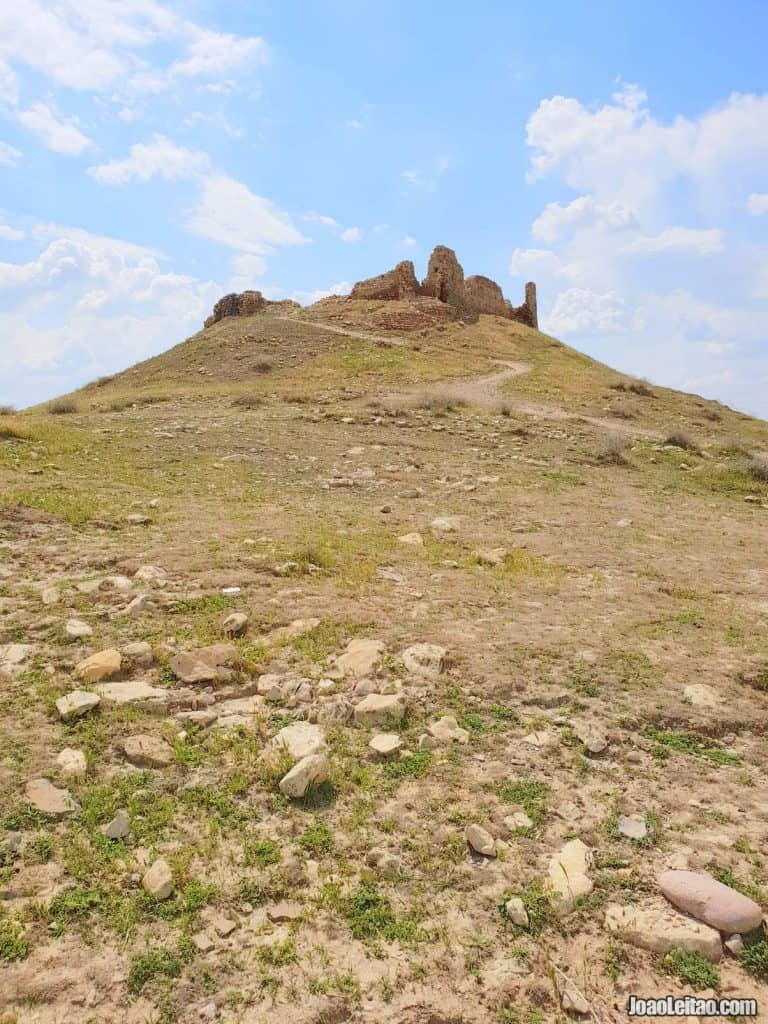
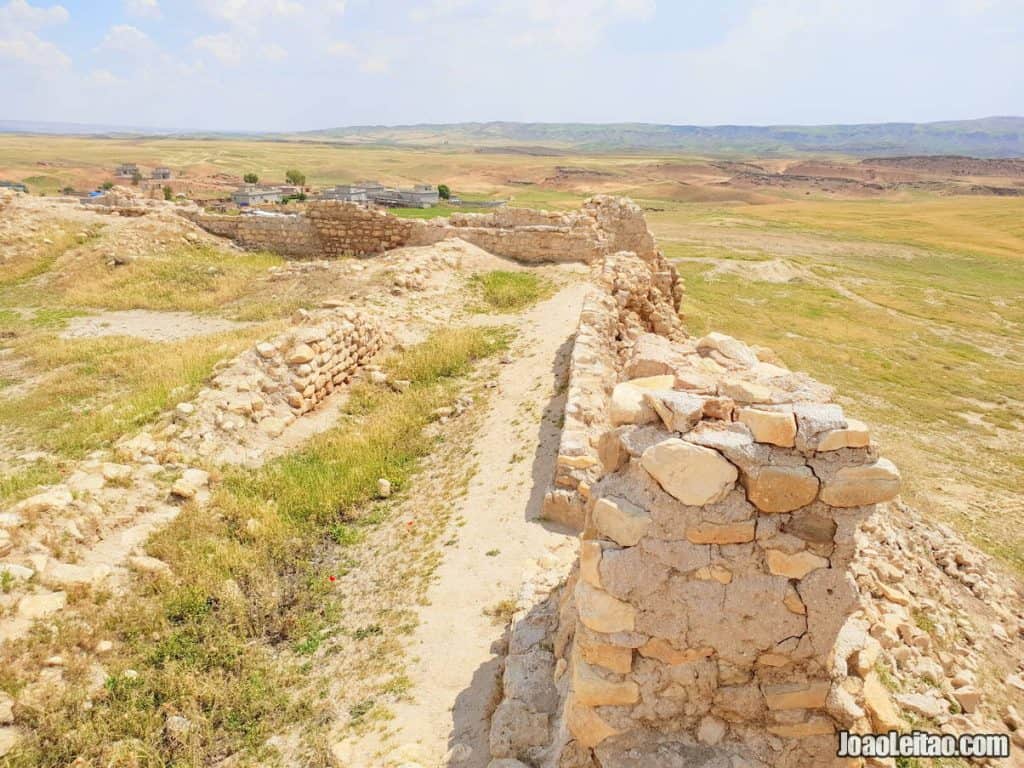
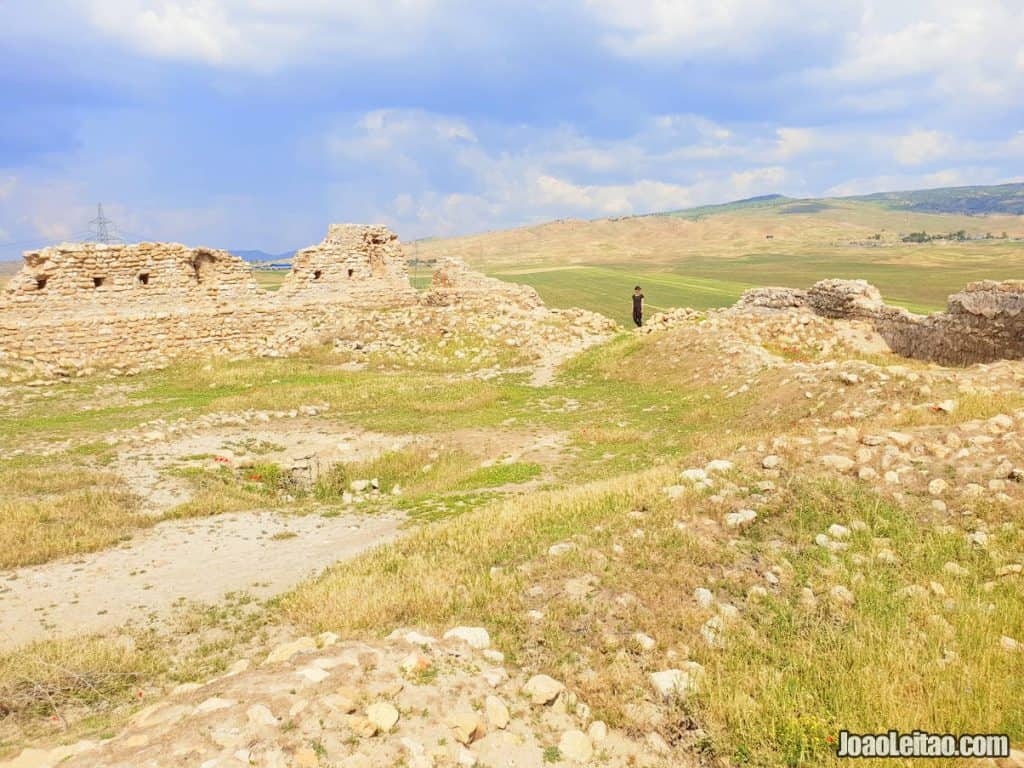
موقع تل بكراوا الأثري This interesting ancient site dating back from the late Chalcolithic Period is a bit abandoned. You can explore the different excavation sites and go up the hill where you have a decent view of the whole area. Ephraim Speiser discovered this site in 1927 and it was excavated for the first time by the Iraqi Directorate-General of Antiquities between 1959 and 1960.

2. Hawar Village

Hawar Village, Iraqi Kurdistan

حوار This small mountain village located near the Iranian border is the perfect off the beat destination for those who like isolated places with friendly people. Hawar is located in the region of Sulaymaniyah some 256 km (159 mi) North-East of Baghdad , the country’s capital . Hawar is home to the Kakei people, a religious minority. Kakeis follow the Yarsan religion and are now represented with two seats in the Halabja Provincial Council.

3. Kalar

Kalar, Iraqi Kurdistan

كلار Kalar is a city located north of Baghdad in the province of Diyala near the Iranian border. Currently, the city has a population of 120,000 people. One of the main reasons to visit Kalar is its picturesque Chirwan Castle on the shores of the Diyala River (Sirwan). It was built between 1866 and 1874 by Mohammed Pasha Jaf, who was the head of the Jaf tribe.

4. Khanaqin

Khanaqin, Iraqi Kurdistan

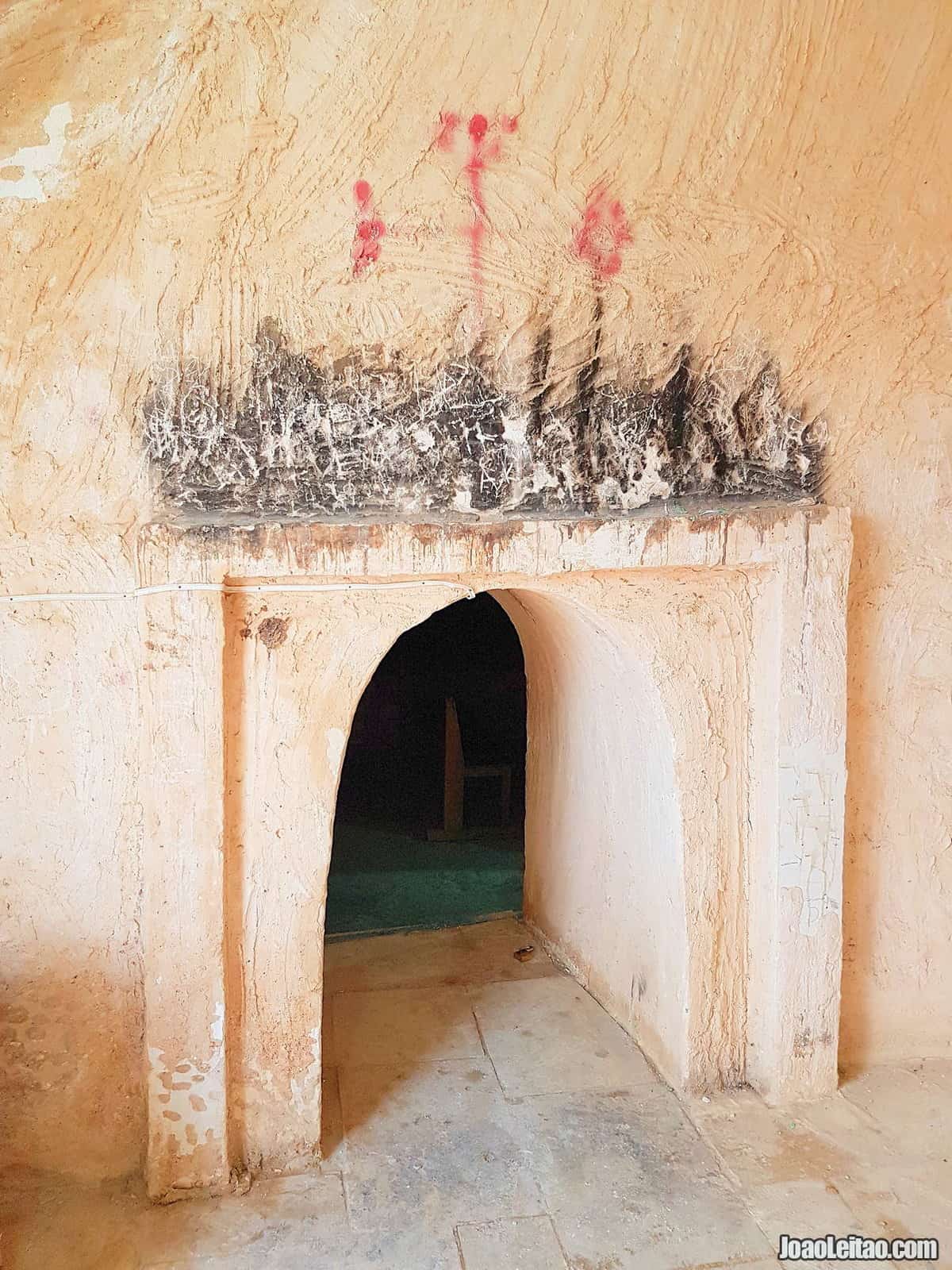
خانقين Khanaqin is a city in Diyala Governorate near the Iranian border. Khanaqin was subject to the Arabization policy of Saddam Hussein trying to overcome the majority Kurdish population so you will see many Arabs living among Kurds. The majority of the town’s inhabitants are Shia Kalhor Kurds which are supposedly the most ancient of the Kurdish tribes (also on the Iranian side). The Naft Khana oil field is located near the city. One of Khanaqin’s main attractions is the 100-year-old Lalonde Bridge located in the city center. 3 km north from the bridge you can also visit several interesting shrines in the cemetery of Alyawa village. Search for the peculiar underground shrine with green dome.

5. The Vault Tomb of Sarqala

The Vault Tomb of Sarqala, Iraqi Kurdistan

مدفن كردولكاة The Mound Tomb of Sarqala is an archaeological site dating back to the Parthian period (57 BC – 19 AC) and was first excavated and reconstructed by a team from the Garmian Directorate of Antiquities in 2013. I found this place as I found most places in the region. I saw a road sign and decided to explore on my own. It is rather a small complex but everything historical in Iraq is always worth to explore. The vault tomb of Sarqala, located northeast Kifri town, to the west of Diyala River in Iraqi Kurdistan. This paper deal with archaeological excavation at Sarqala in the spring 2013, uncovered vault tomb, the tomb represents a rectangular room (5.10 x 4.80 m), its ceiling’s height (2.70 m) divided into four platforms, the width of each platform (ca. 0.65m). Above the platforms, there are two blind half-arch in southern and northern walls. There is a small gate in the western wall its width (0.75m). The vault tomb made from well-backed bricks. The walls and the ceiling covered with white plaster. We discovered 10 skeletons, 2 skeletons on each platform, and the last two skeletons are buried in two glazed ceramic sarcophaguses. in addition, numbers of different objects have been discovered in this vault tomb, including 12 Parthian coins, and some of golden earrings; rings, and necklace. Even more some other metal rings, belts, spearhead, blades, daggers, kohl jar, and 6 small glasses, 5 ceramic jars which burnished with turquoise glaze, …etc.

6. Kifri

Kifri, Iraqi Kurdistan

كفري Kifri is a town in the north of the Diyala Governorate. The original citizens of Kifri are Turkmen but it all changed with enforced Arabization in the 1980s and Kurdization policies from 2003 onwards. So while walking in the city center, you will notice all these three groups living side by side. During the Babylonian era, Kifri city was the center of an independent state called “the state of Chimash “. While you visit Kifri you will notice a large number of road signs directing to the several exhisting historical places. Places to visit in Kifri : the Manmade Caves, the cemetery with historical graves, the Bawa Shaswar Dam, the Quldar Mill, the Qazi Watermill, the Tomb of Dakhmat, and Kifri Qaysari (market).

7. Mahmud Pasha Jaf Palace

Mahmud Pasha Jaf Palace, Iraqi Kurdistan

قصر محمود باشا جاف Mahmud Pasha Jaf Palace dating from the 19th century is located west of Tazade village 18 km northeast of Kalar. This palace came as a total surprise and was one of my Iraqi Kurdistan trip’s highlights. There are two buildings : the upper one was the storehouse and the barn, and the lower one was the main palace built in 1885. It is a bit hard to find but totally worth the effort.

8. Bamo Mountains

Bamo Mountains, Iraqi Kurdistan

جبل بامو Just on the division between Diyala and Sulaymaniyah Governorate lies Bamo Mountain. Be careful not to look too suspicious because the border is just a step away, and the Iraqi army will stop you to ask questions. This incredible mountain range is the perfect spot to make a picnic. On Friday and Saturday this place gets filled up with local families that come to enjoy nature while day camping, cooking and spending quality time together.

9. Sartak Canyon Road

Sartak Canyon Road, Iraqi Kurdistan

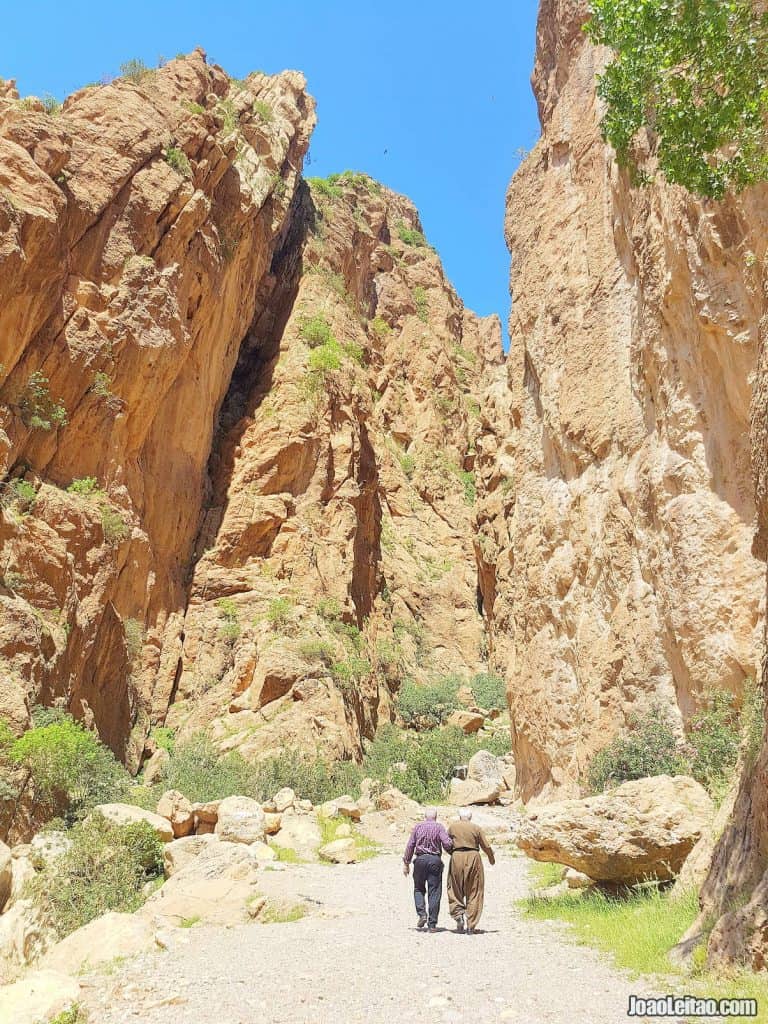
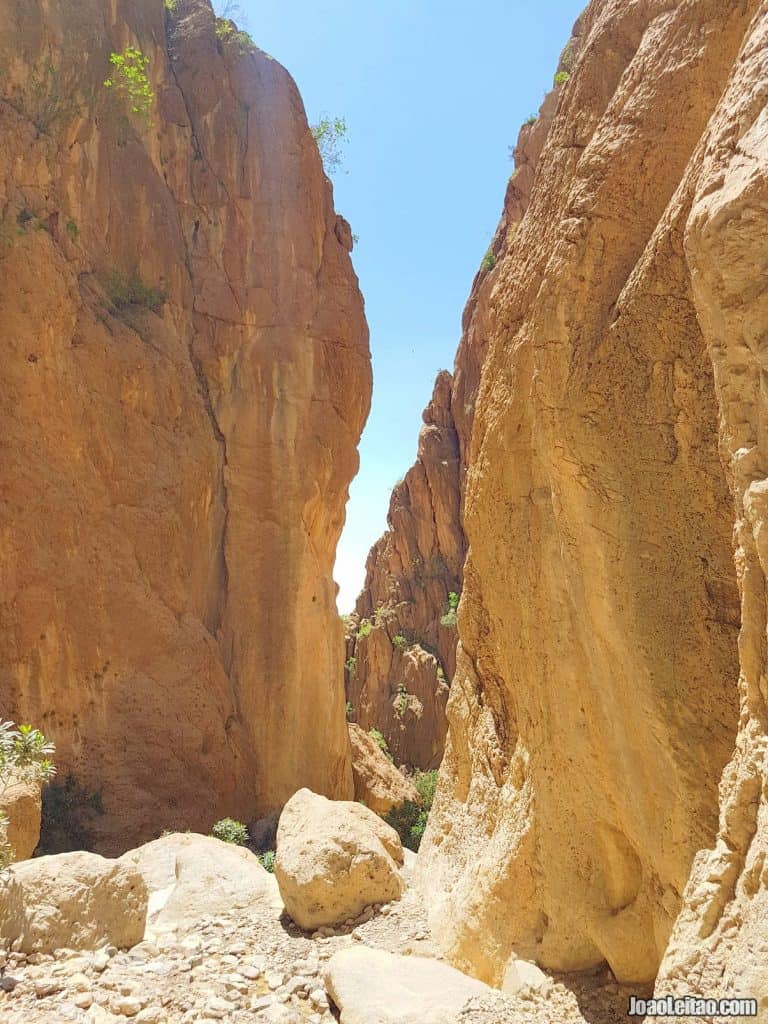
الوادي في طريق سارتاك Sartak Road is the way to Iran. Arriving there will make you cross the incredible Sartak Canyon that instantly impresses with its steep rocky walls. To get to Sartak, you have to pass a first bridge check-point near the main road, and consequently check-in at the border patrol office. Take into consideration that the Iranian frontier is just a couple km away. If the customs police approve your stay, try to visit the Tombs of Horen and the old Sartak fortress, on the cliff above the police compound.

10. The tomb of Sheikh Jibril

The tomb of Sheikh Jibril, Iraqi Kurdistan

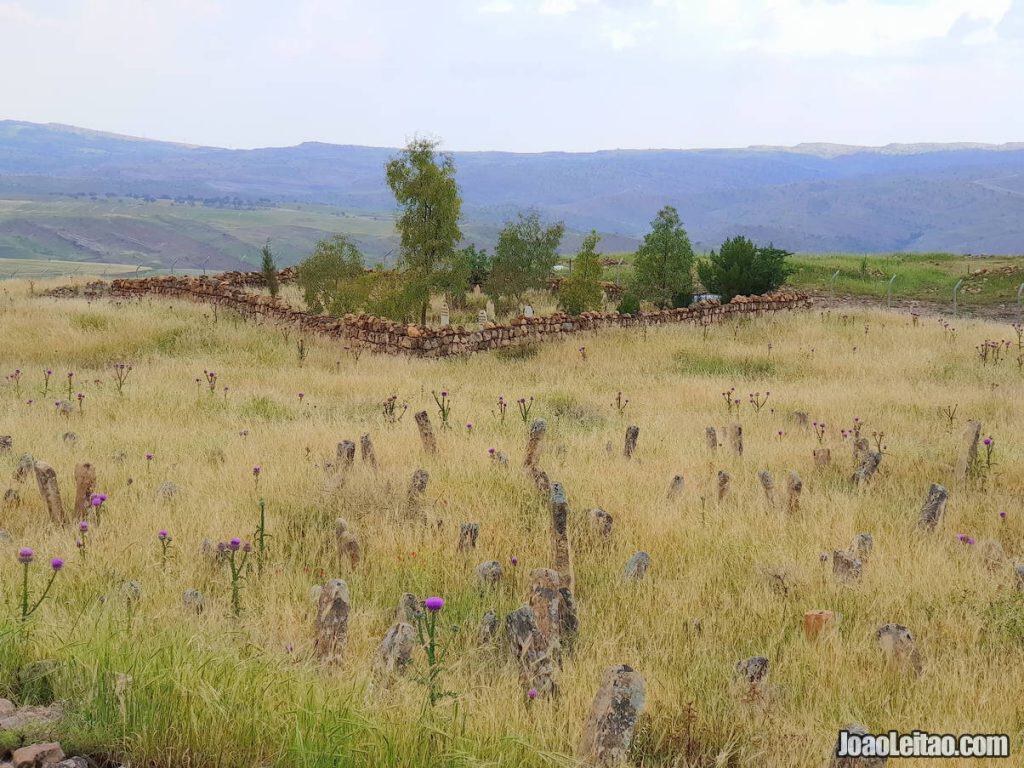
مقبرة شيخ جبريل Another unknown highlight of my trip to Iraqi Kurdistan. While traversing empty fields to get to Darband-i- Belula I came across a road sign pointing out to a certain important man’s grave. Obviously, I decided to explore further and came out to discover an ancient cemetery with very photogenic surroundings and historical graves dating a few centuries back.

11. The rock-relief of Darband-i-Belula

The rock-relief of Darband-i-Belula, Iraqi Kurdistan

منحوتة دربند بيلولة The Kurdistan Region of Iraq is full of surprises, and what I am about to show you changed my perspective of how this region is often seen as a place without any historical interest comparing to the rest of Iraq . While crossing the bridge check-point before Sartak, the army man told me to search for Belula. I didn’t really know what to look for until I actually saw the road sign. After going up the rocky mountain and spending almost 30 minutes searching for the old rock-relief, I had the help of two friendly army guys that came for my rescue and showed me the exact place of this hidden historic treasure. The Darband-i- Belula rock-relief dates back to the late 2nd millennium BC and represents the victory over the king’s enemies.

12. Yasin Tepe

Yasin Tepe, Iraqi Kurdistan

There are a few of these mount tombs near Darbandikhan Lake. They are totally integrated with the landscape. Yasin Tepe was excavated by the Iraqi Directorate-General of Antiquities in 1973. Yasin Tepe burrial mound dates back from 3000 years BC.

13. Darbandikhan Lake

Darbandikhan Lake, Iraqi Kurdistan

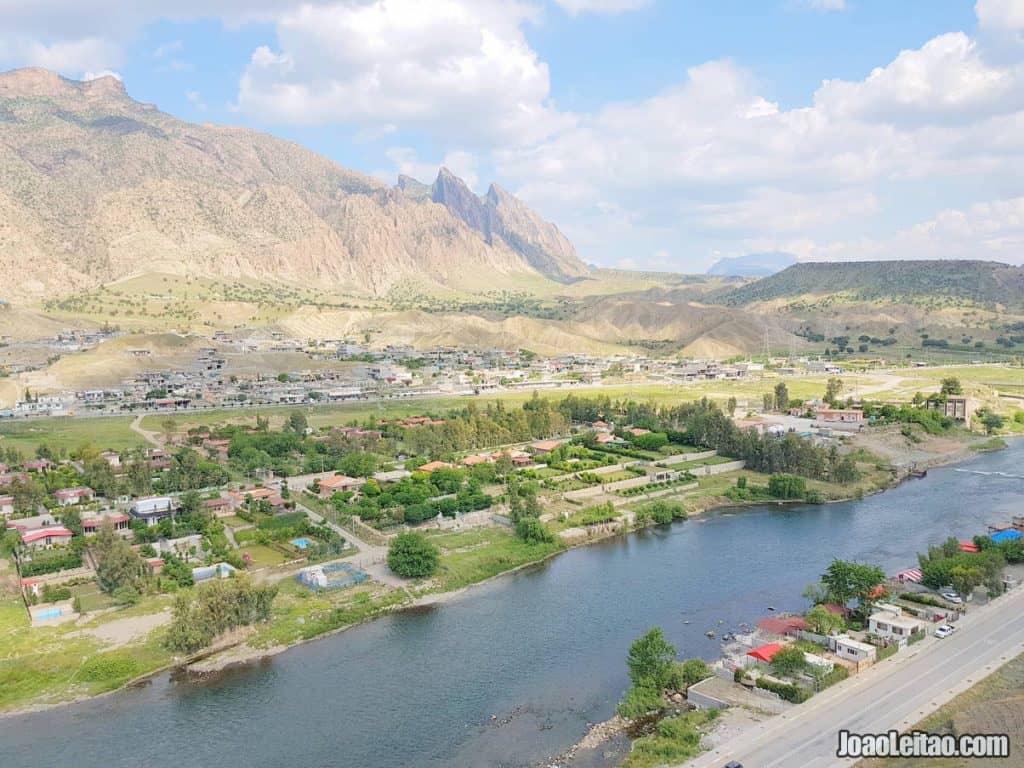
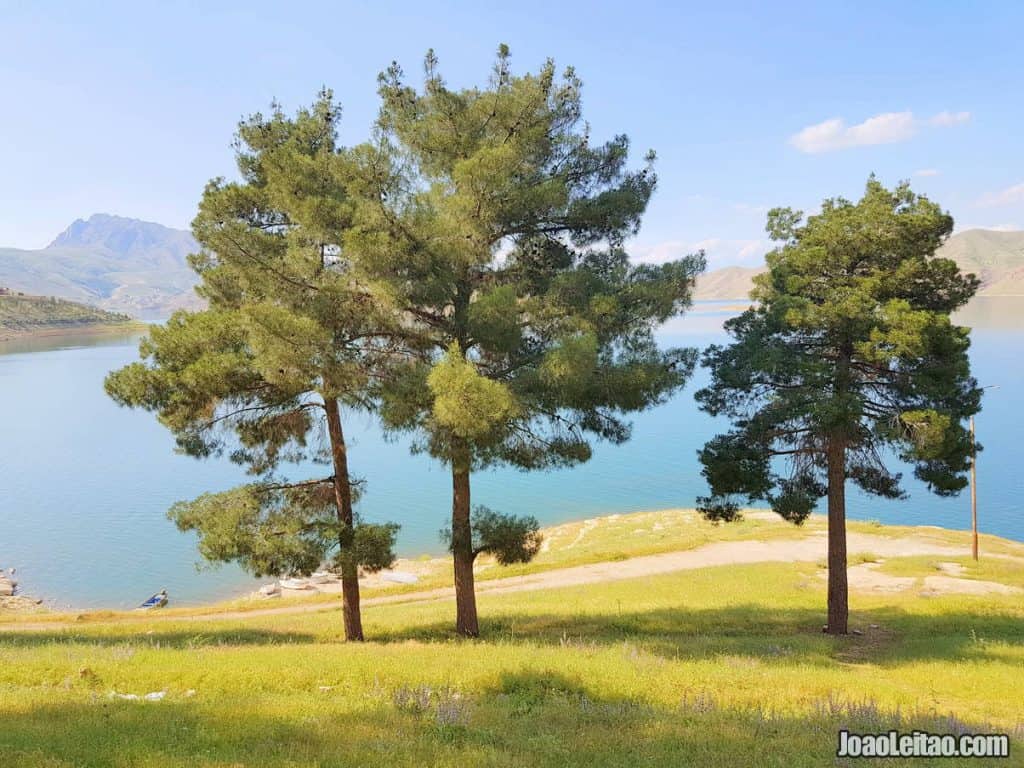
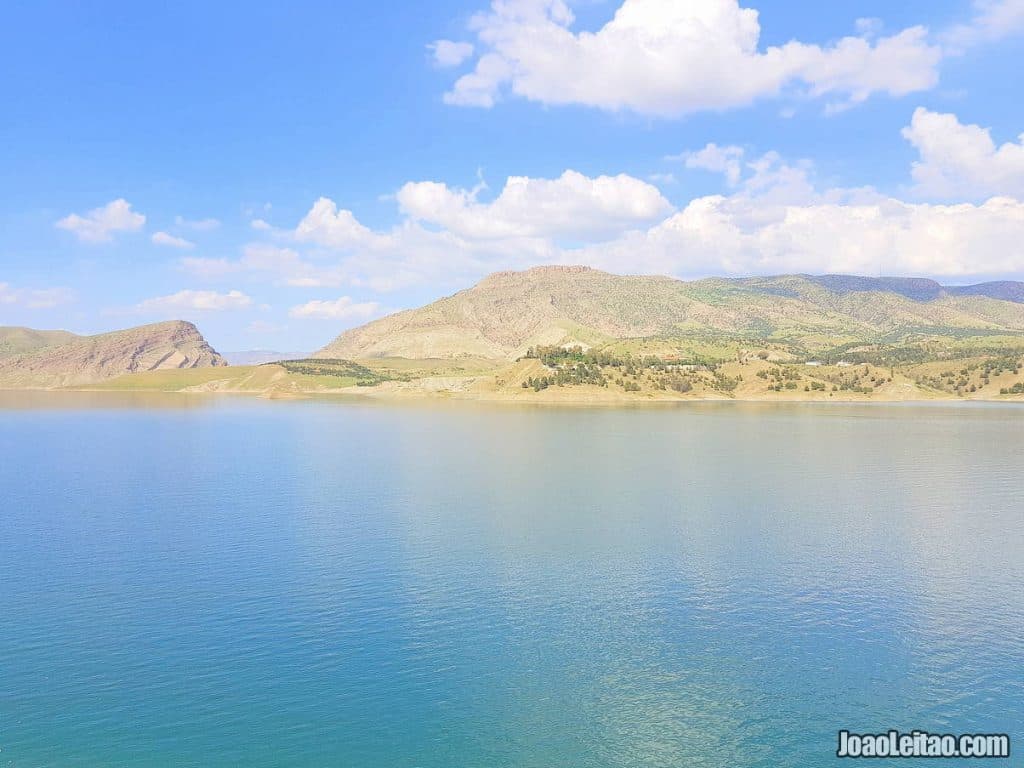
سد دربندخان Beautiful Darbandikhan Lake is an artificial dam using the waters flowing from the Sirwan river. Accessible by road from Darbandikhan city and through the villages of Ulwur and Zimnakaw, Darbandikhan Lake shores are the perfect stop for a weekend pic-nic with the family, like most local people do.

14. The rock-relief of Darband-i-Gawir

The rock-relief of Darband-i-Gawir, Iraqi Kurdistan

منحوتة دربند كاور My maps.me App pointed out another rock-relief that I couldn’t refuse to visit. A bit out of the main road and deep into the countryside towards dangerous Kirkuk Governorate, I decided to engage myself in finding this ancient site. Darband-i-Gawir can be found 45 km south of Sulaymaniyah city within the Goshan Valley in the Qaradagh area. The rock-reliefs are around 4000 years old and depict the statue of the Naram-Sin, the Akkadian King who ruled from 2254-2218 BC. After we arrive at an isolated parking lot, we have to trek 20 minutes inside the canyon. I love history, so this was possibly one of the most interesting places I visited in Iraqi Kurdistan.

15. The Rock Catacomb of Qiz Qapan

The Rock Catacomb of Qiz Qapan, Iraqi Kurdistan

منحوتة قزقابان Qiz Qapan Tombs (Gazzkaban) are located on a rocky cliff in an astonishing beautiful valley, 50 km west of Sulaymaniyah. These catacombs date back to the era of the Median Kingdom in the 7-century BC. The site consists of a variety of rooms, three burial graves, statues, and sculptures. While I decided to spend the night there, I was taken away to a safer place by the Iraqi Army. They said it was too dangerous because of the proximity of Kirkuk and some known local bandits. There were indeed some people hiding in the rocks as we heard some noises, and they ran with their guns and flashlights cutting our conversation short. Crossing the road at night, I heard some shots and they were indeed worried about the situation.

16. Cave of Zarzi

Cave of Zarzi, Iraqi Kurdistan

كهف زرزى Zarzi Cave is located at the bottom of Mount Zrza Kounkotr. With a semi-circular entrance this cave dates back to the Stone Age when it was used as shelter. In 1988, researcher Dorothy Karon excavated the cave and found many animal bones and stone utensils.

17. Chami Razan

Chami Razan, Iraqi Kurdistan

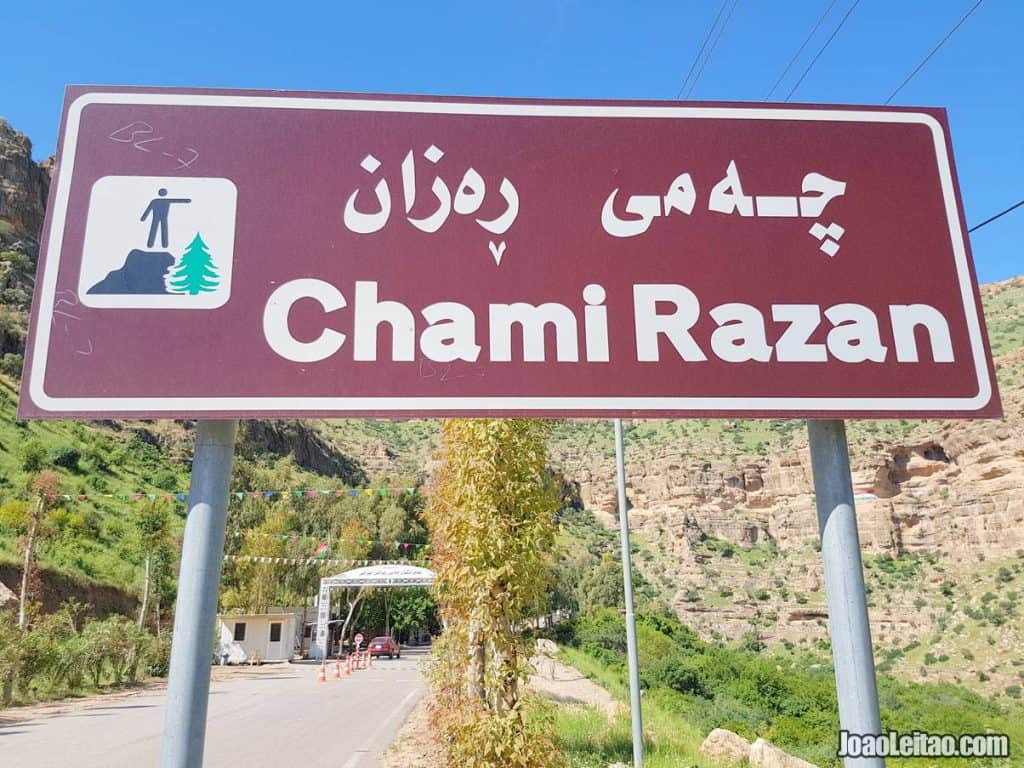
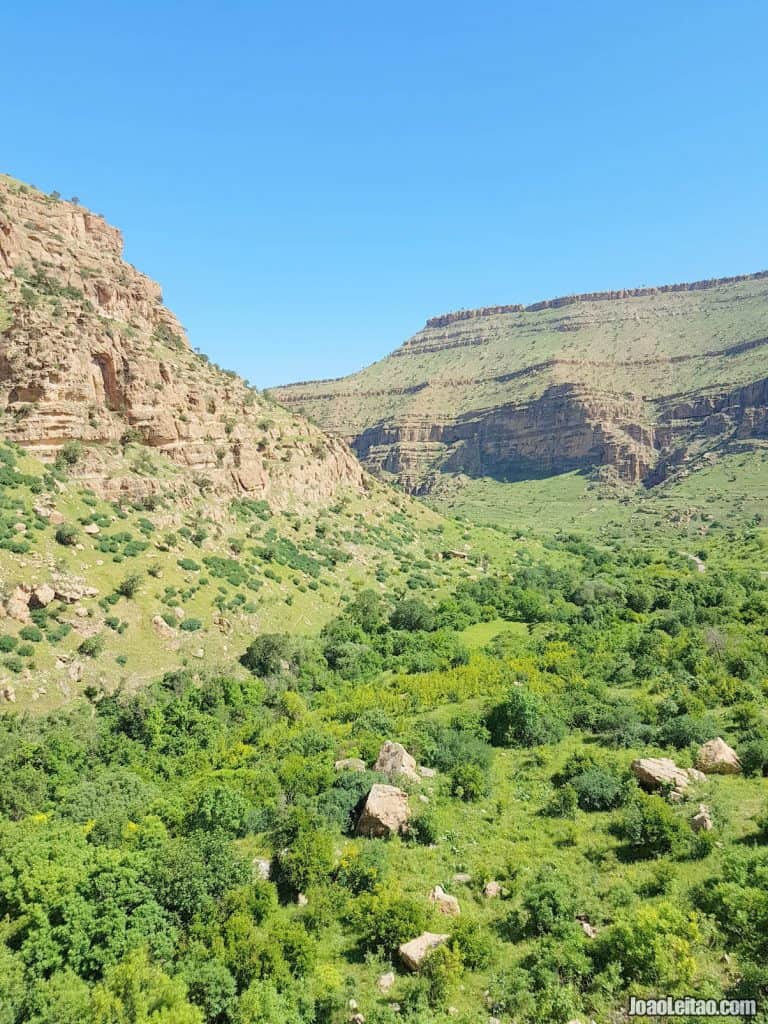
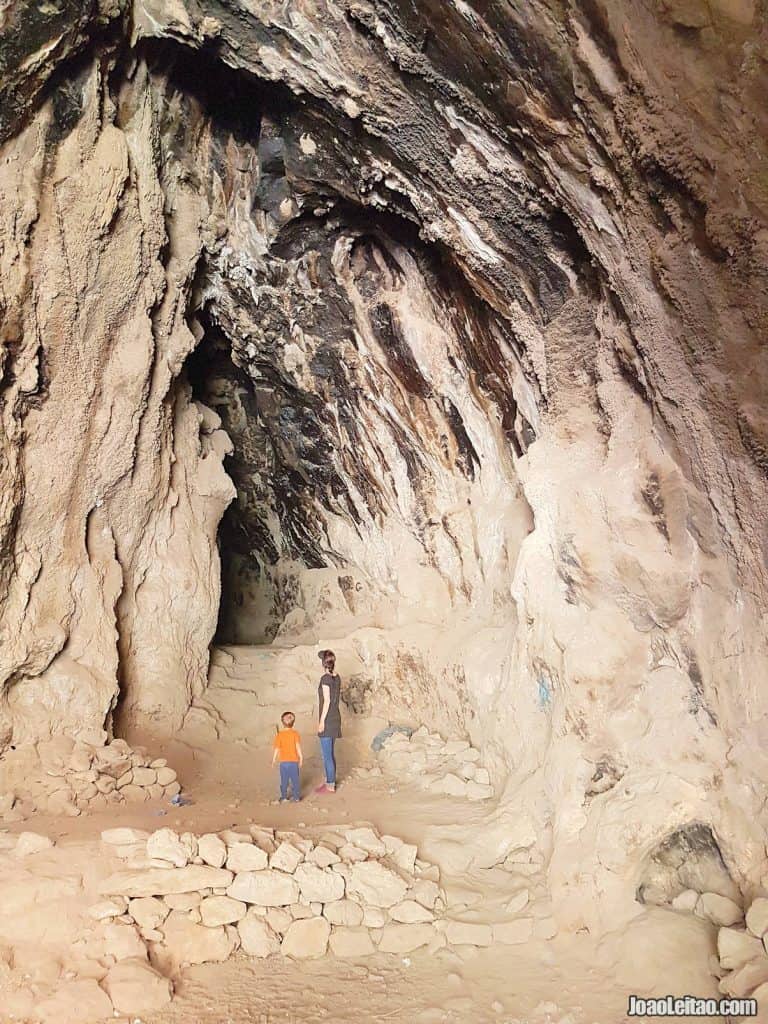
جيمي ريزان Chami Razan (Jami Rezan) is a very nice place surrounded by incredible mountains, several large caves, and numerous waterfalls. The bigger cave was the headquarters of Voice of Kurdistan Radio station during the Kurdish revolution of 1961.

18. Timar village

Timar village, Iraqi Kurdistan

تيمار Unknown places often give us the best travel experiences . Timar is a small village off the main Dokan road. Going up the mountain and with traditional stone houses, Timar surprises with amazing mountain views and welcoming people.

19. Jasna Cave and Waterfall

Jasna Cave and Waterfall, Iraqi Kurdistan

Off the main road, a mere 15 km away from Dokan, we turn right to a fantastic discovery. Jasna Cave and its waterfalls are impregnated by historical meaning. During the British besiege of Sulaymaniyah in February 1923, Sheik Mahmood looked for safe refuge in Jasna cave. He brought his printing machine to publish and consequently distribute the initial release of the newspaper Banki Haq.

20. Dokan

Dokan, Iraqi Kurdistan

دوكان One of the most beautiful mountain views of Iraqi Kurdistan can be found in Dokan. This city is famous due to its impressive lake. 70 km from Sulaymaniyah, Dokan is a residential area with splendid nature, which draws vacationers from home and abroad. One of the sights not to be missed is the breathtaking panoramic views from the Pasha Kura Fortress.

21. Koya

Koya, Iraqi Kurdistan

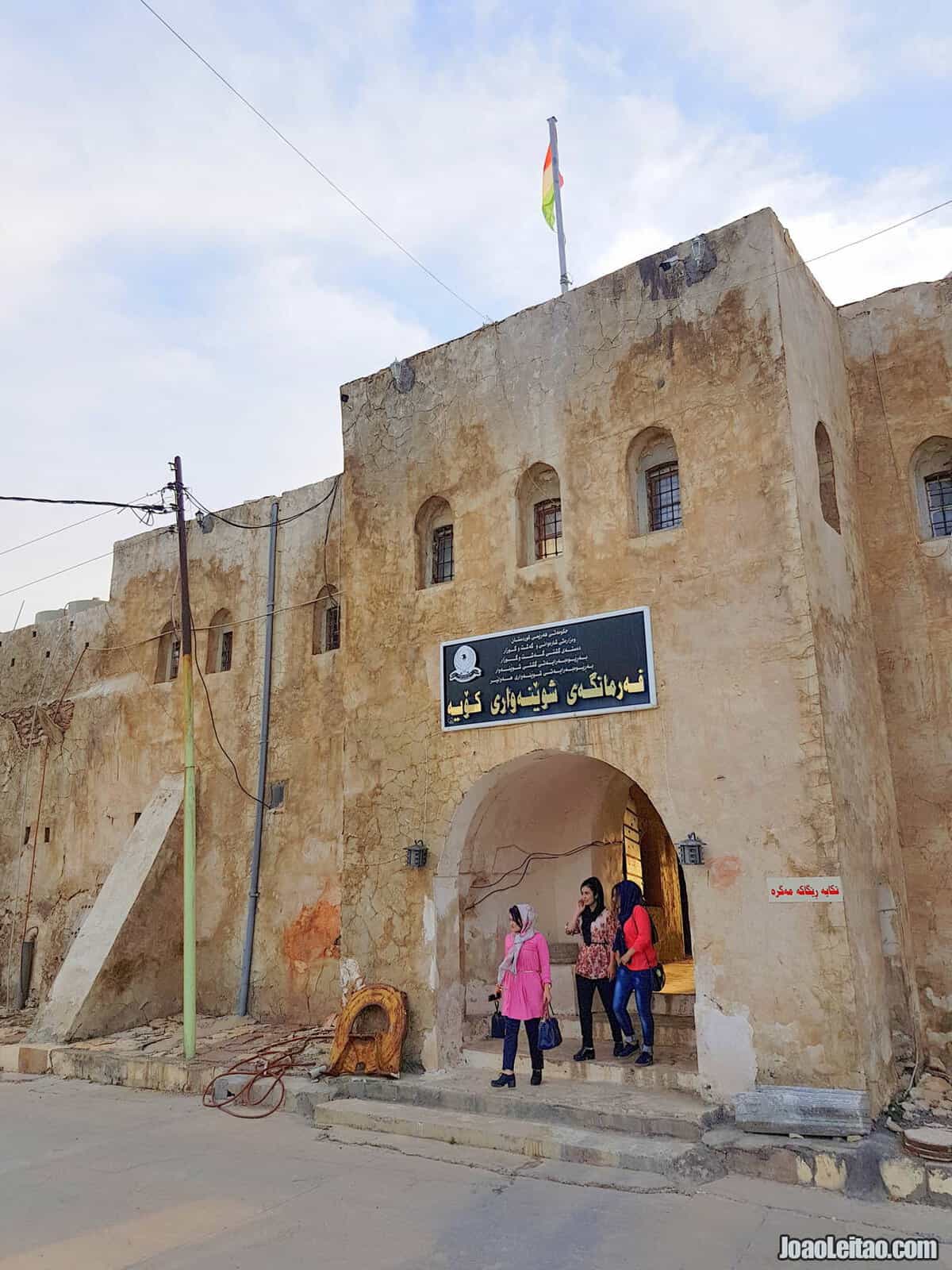
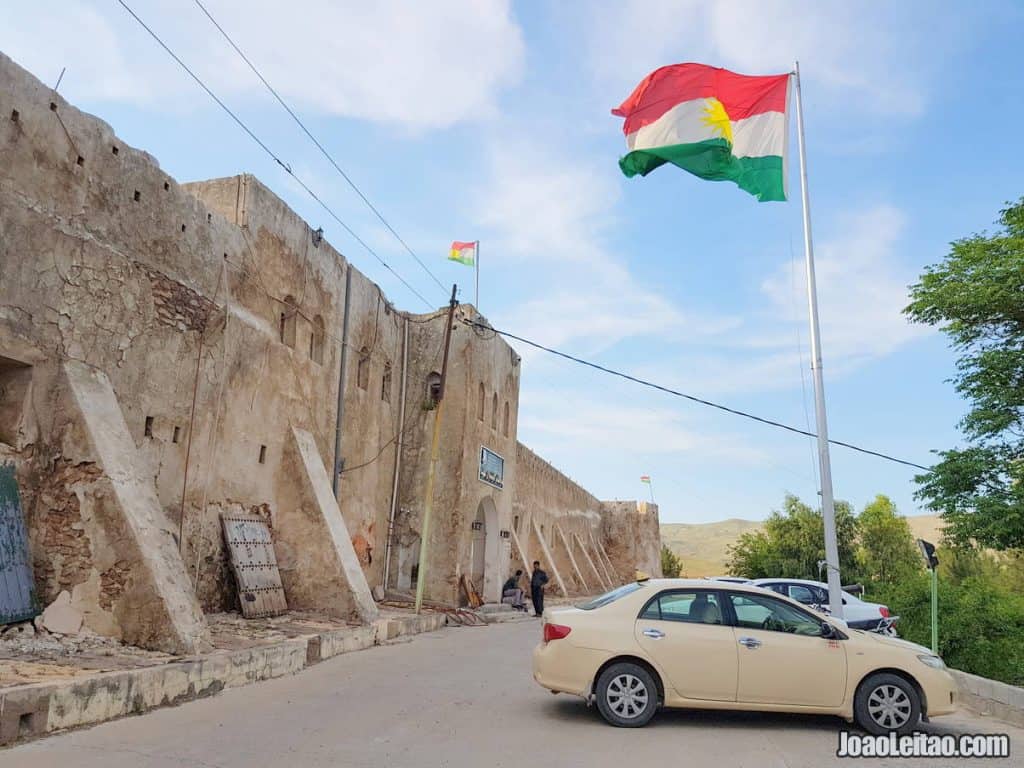
Another nice surprise during my trip to Iraq was Koya. Who would say I would find a fascinating fort in Koya city center? This made me delay my arrival to Erbil for another day. The Assyrians and Medians occupied Koya throughout the ages. The city is renowned for its mosques, studies of sciences, arts and reputed university. Koya Qshla (fort) was built in the second half of the 19th century during the rule of the Midhat Pasha of Baghdad, an Ottoman Governor.

22. Shrine of Marbina Qadisha

Shrine of Marbina Qadisha, Iraqi Kurdistan

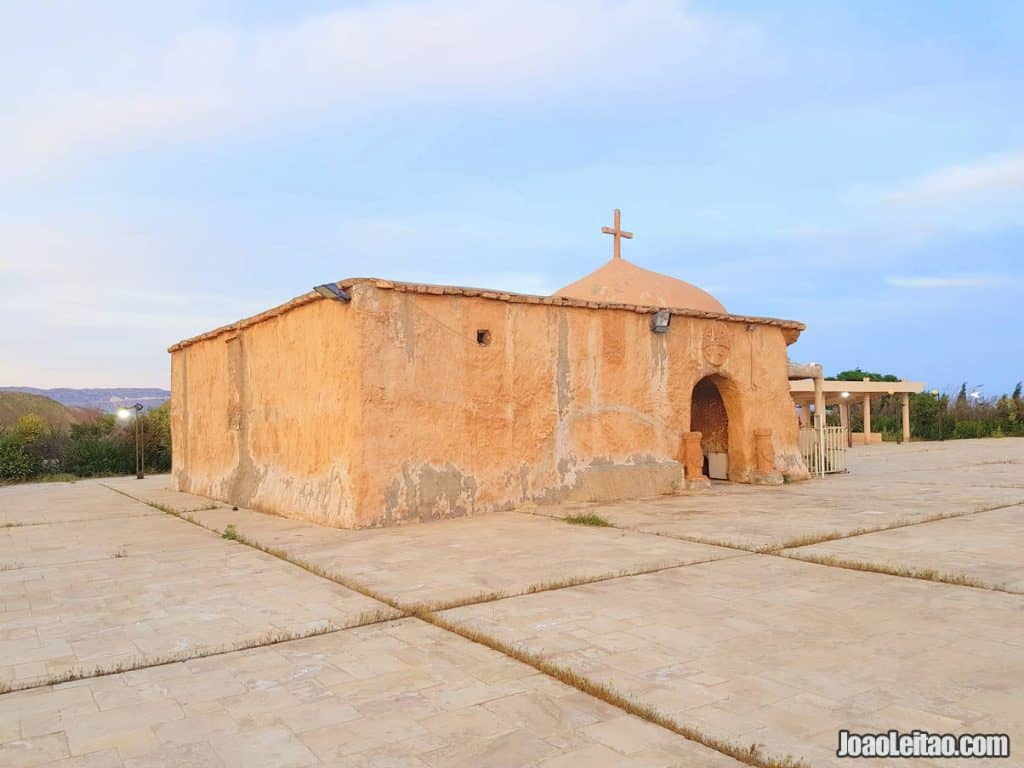
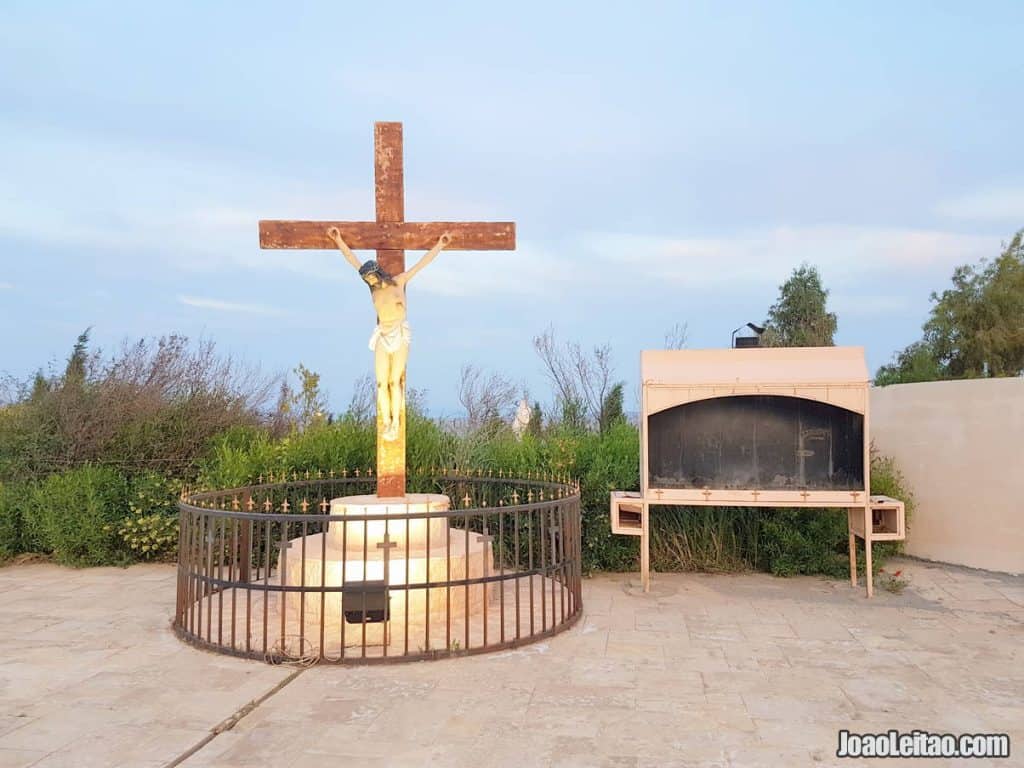
Just near Harmoota village, 3 km away from Koya, we find the interesting shrine of Marbina Qadisha, also known as Marbina Behnam. I was told that this place is from when monks of Mosul had to run away during the Mongolian invasion a few centuries ago. Don’t miss the chance of walking around the complex and inside the impressive church.

23. Dere Castle

Dere Castle, Iraqi Kurdistan

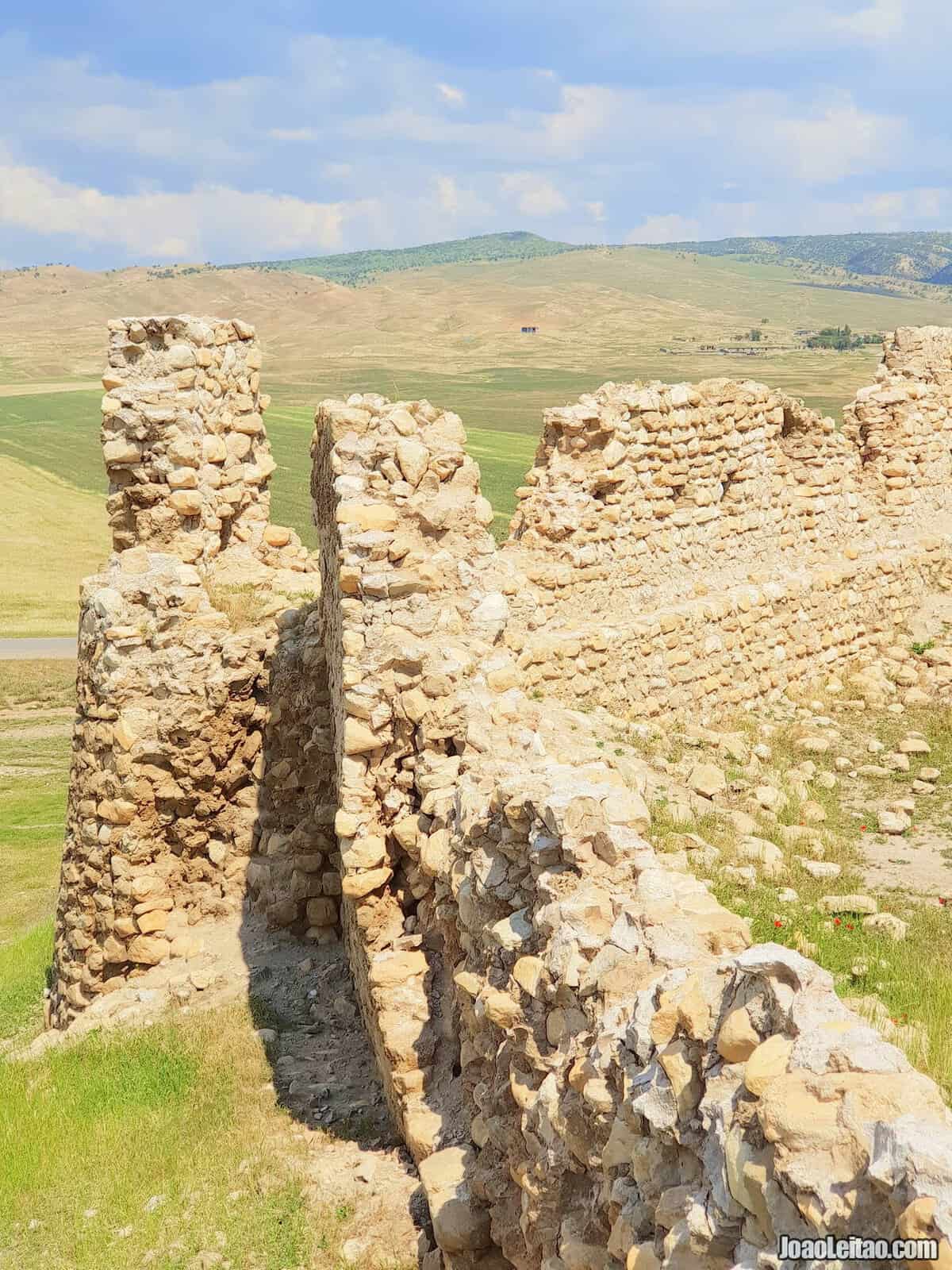
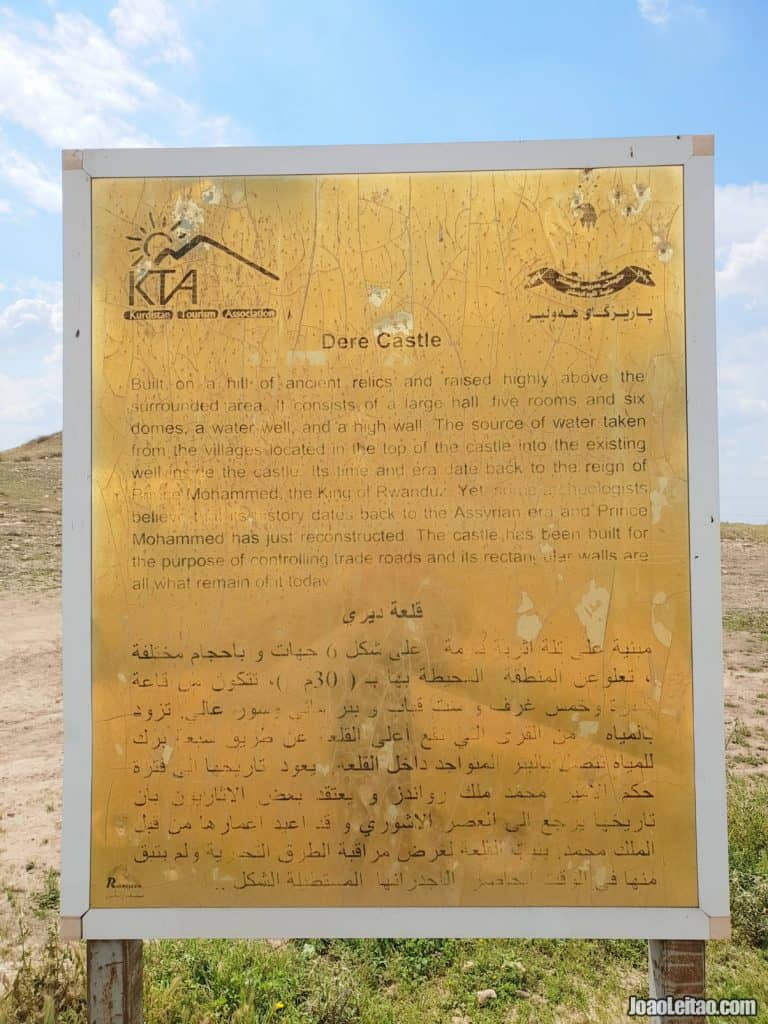
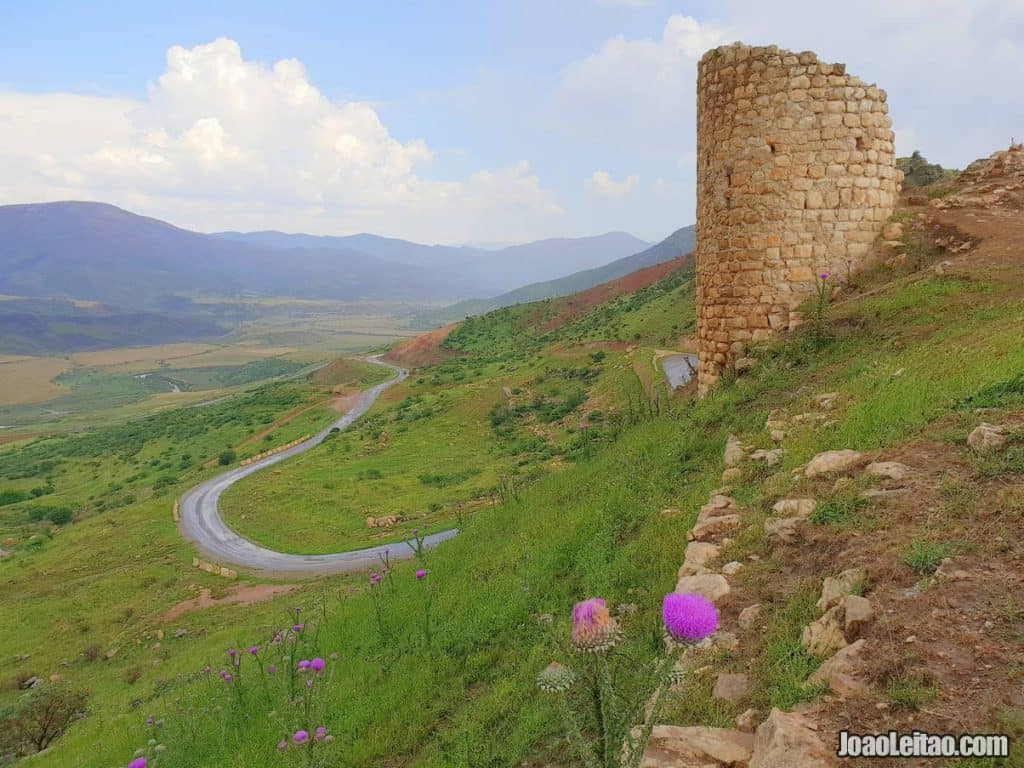
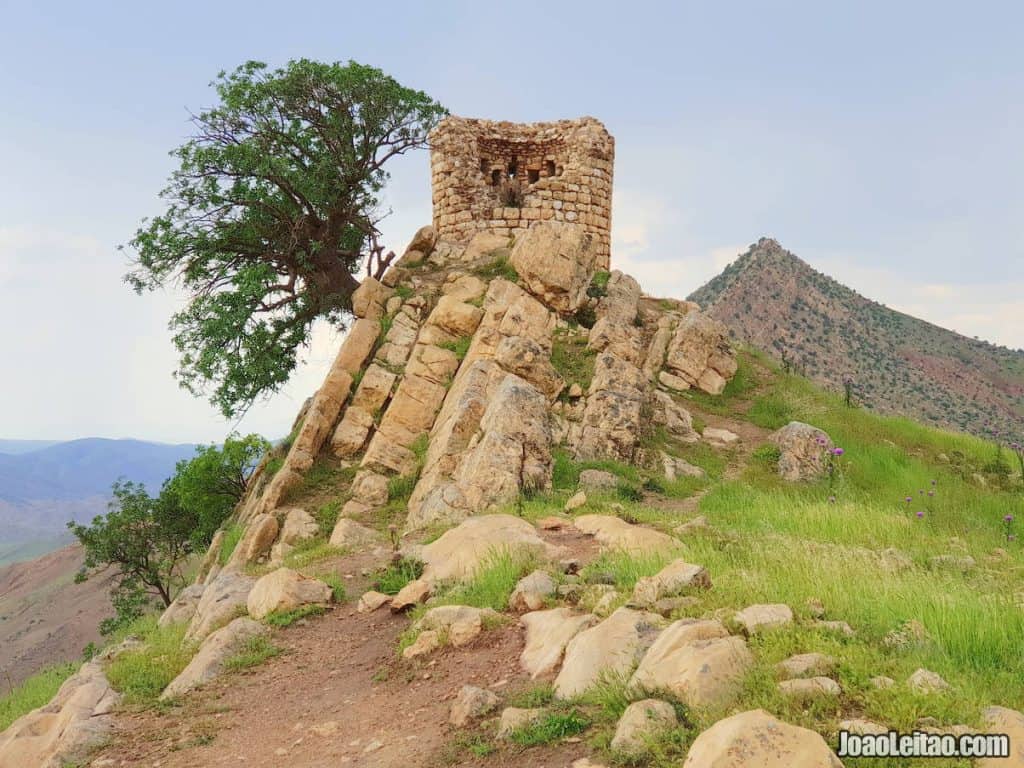
قلعة ديري Dere Castle was built on the top of a hill and raised high above the surrounding area in order to establish control over the plateau. The existing structure of the castle dates from the reign of Prince Mohammed the King of Rwanduz, but recent excavations point out that the castle existed as far as the Assyrian era.

24. Dwin Castle

Dwin Castle, Iraqi Kurdistan

قلعة دوين The castle is supposed to have belonged to Jalaluddin, the grandfather of the famous Saladin, who amassed an enormous Muslim army to fight the European Crusaders out of the Levant. Saladin sultanate included Egypt, Syria, Mesopotamia, Hejaz, and Yemen. In 1187 and under his leadership, his forces subjugated the Crusaders at the Battle of Hattin, leading the way to the capture of Palestine and Jerusalem. Read the page : Dwin Castle in Iraq . There are those kinds of places that are able to trigger our inner adventure instincts . You know, those places we get so hypnotically focused on exploring that we somehow lose the sense of time and space. Welcome to the idyllic Dwin Castle, located in a mountainous region at about 60km northeast of Erbil, in Northern Iraq. It was a rainy morning when I went out of Erbil and heading towards Rawanduz. I somehow felt that due to the weather, the day would not be enjoyable. On the map , I had pinpointed two castles, which I almost took out to go straight to Rawanduz and skip the dark, cloudy day. But, I was already driving on a secondary road, and going back to the main road would take me back to Erbil, so I ended up following the morning travel plan. The first surprise was the Dera Fort, with a beautiful view over the surrounding low mountains. But further north the road , everything changed when I arrived at Dwin Castle. As the rain got stronger I just couldn’t believe my eyes, of such an impressive beauty, that made me go and explore this fantastic ancient site. The encircling landscapes are amazing.

Dwin Castle ruins, Iraqi Kurdistan

25. Korek Cable Car

Korek Cable Car, Iraqi Kurdistan

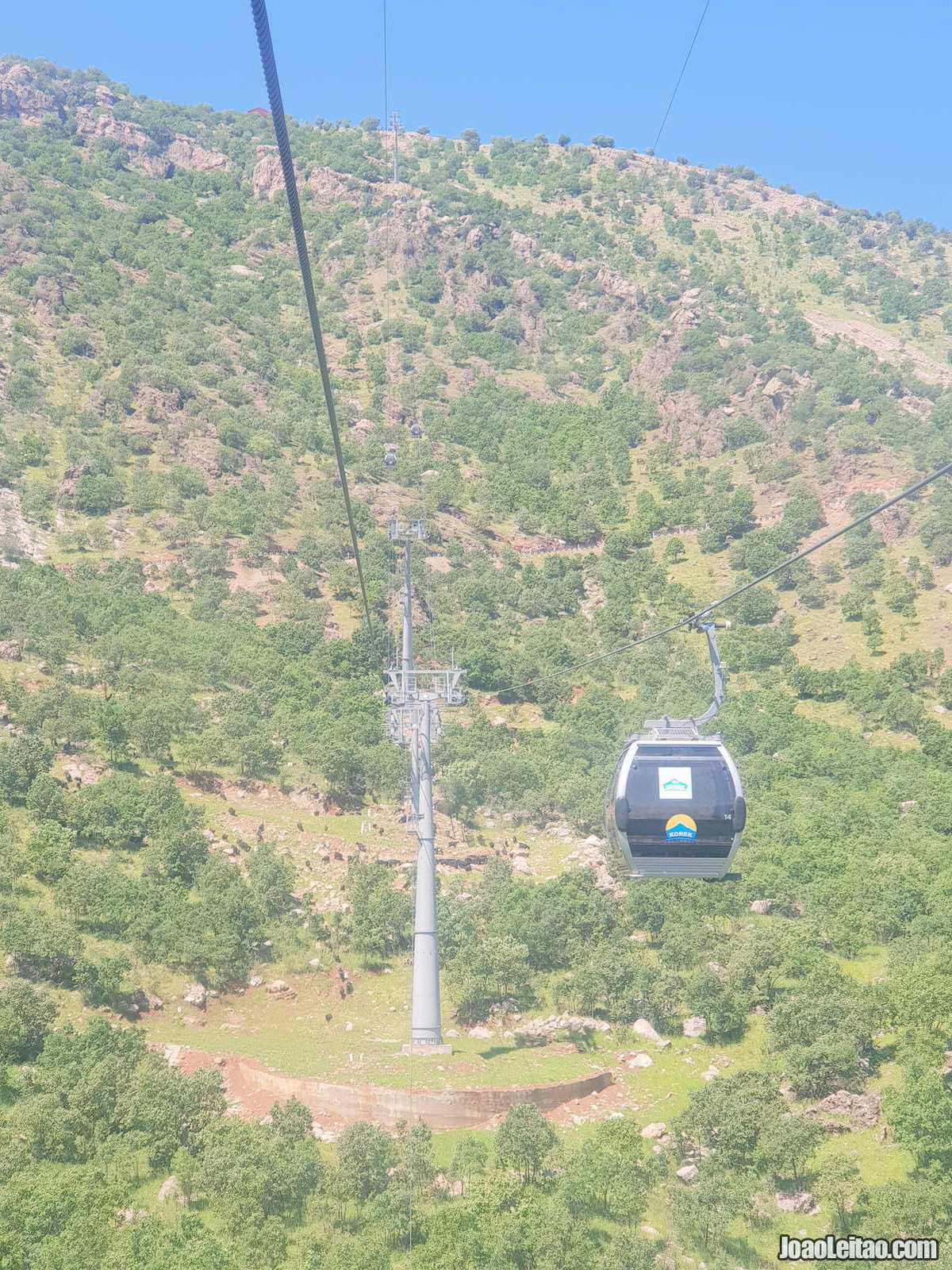
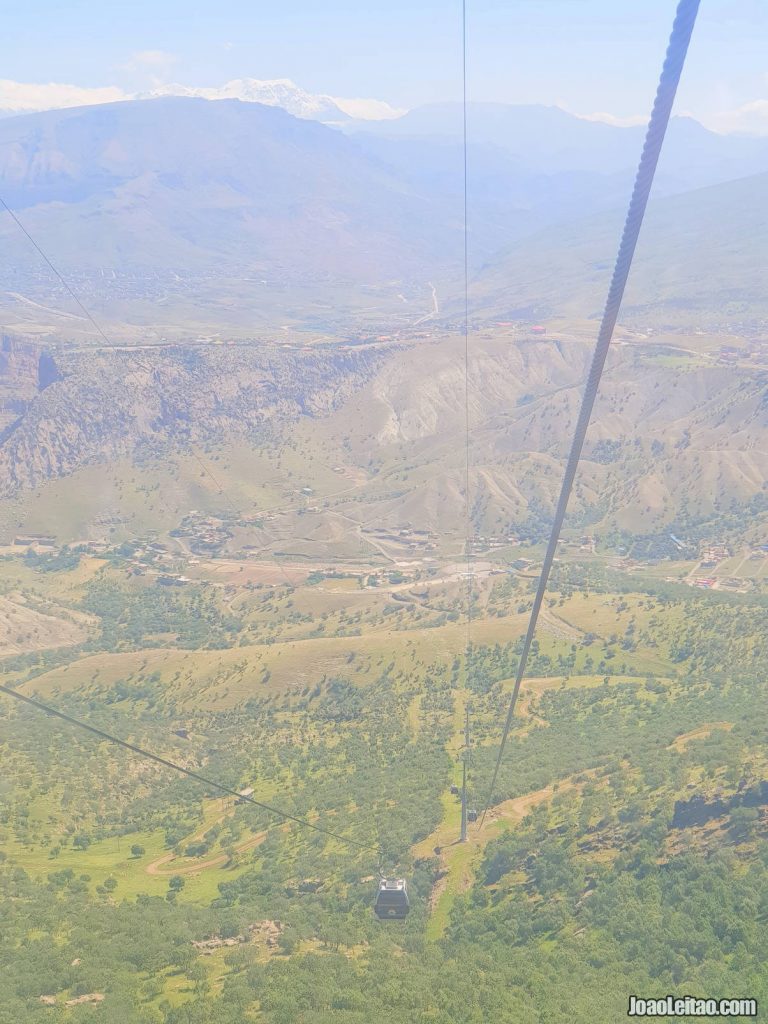
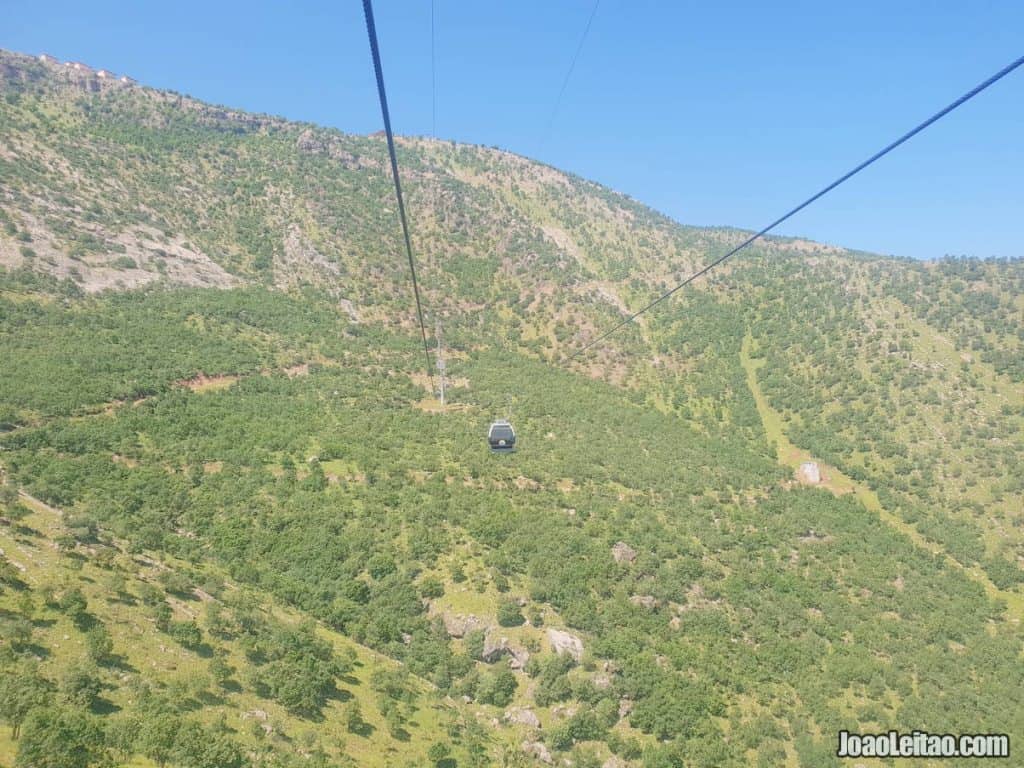
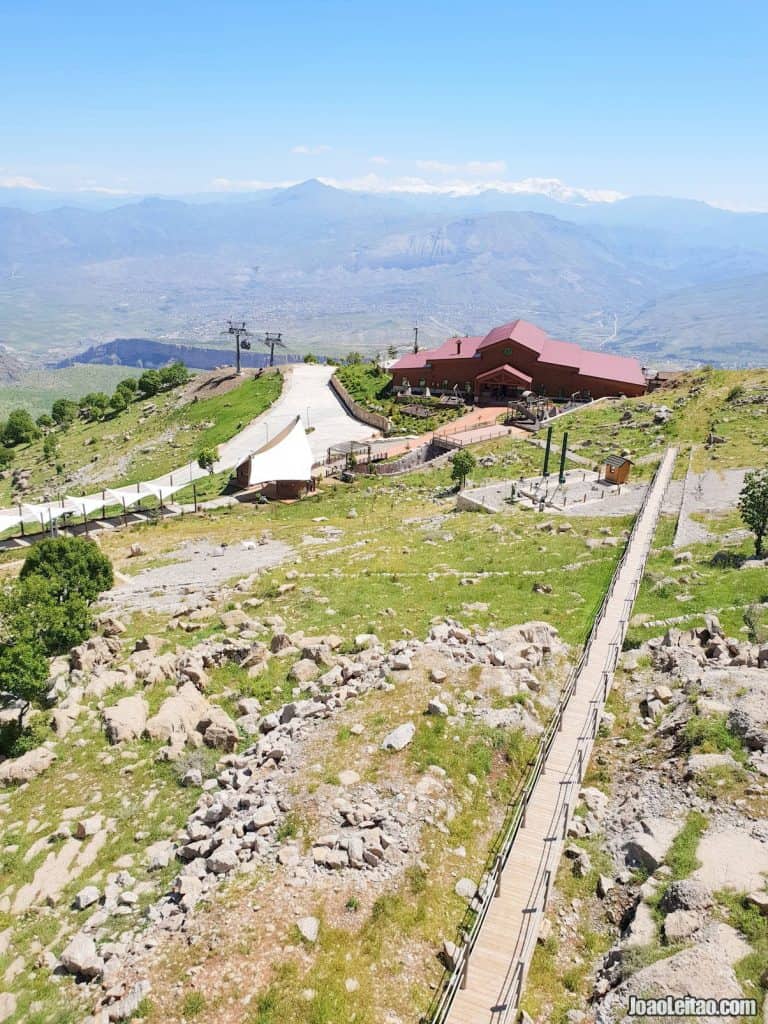
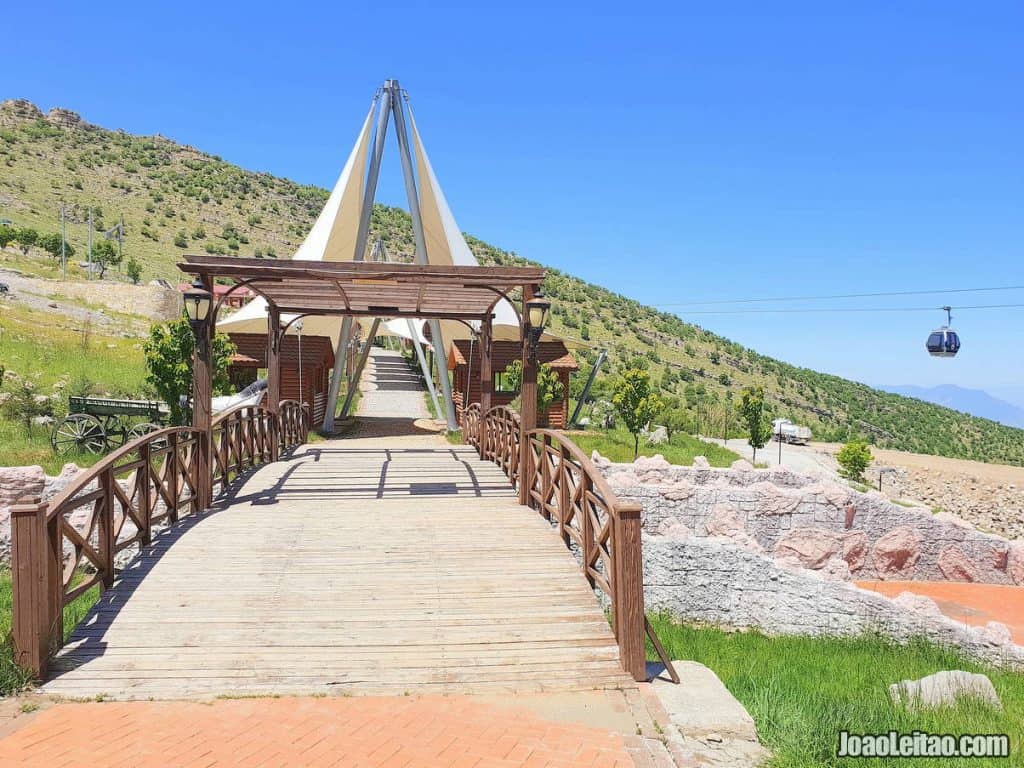
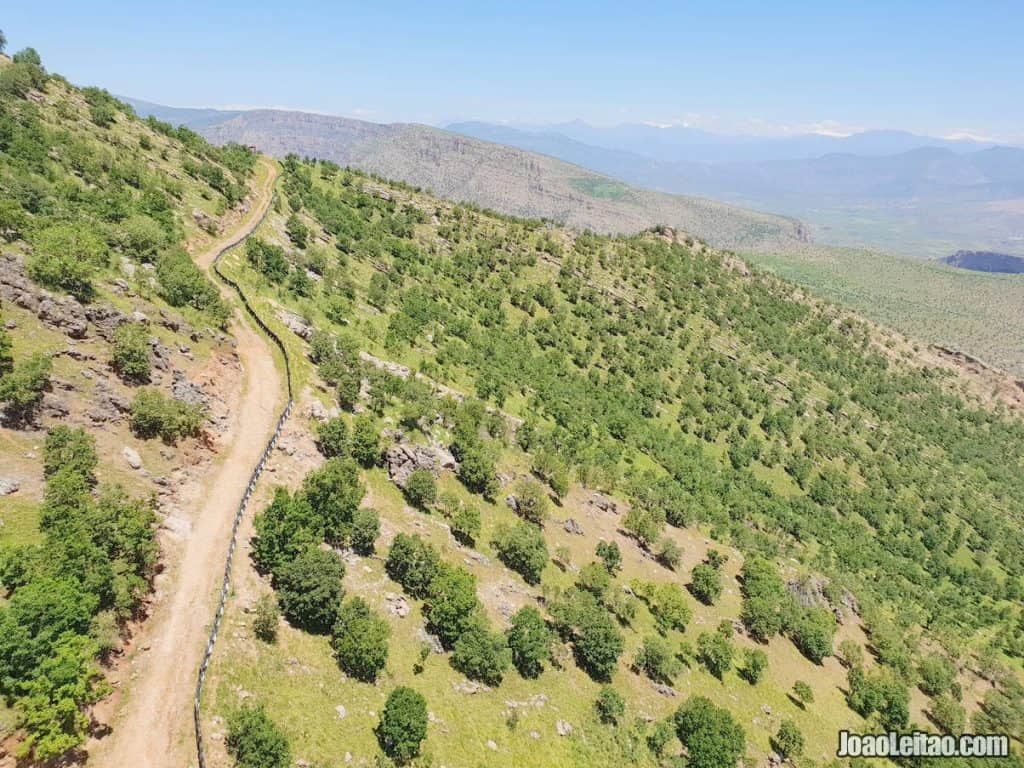
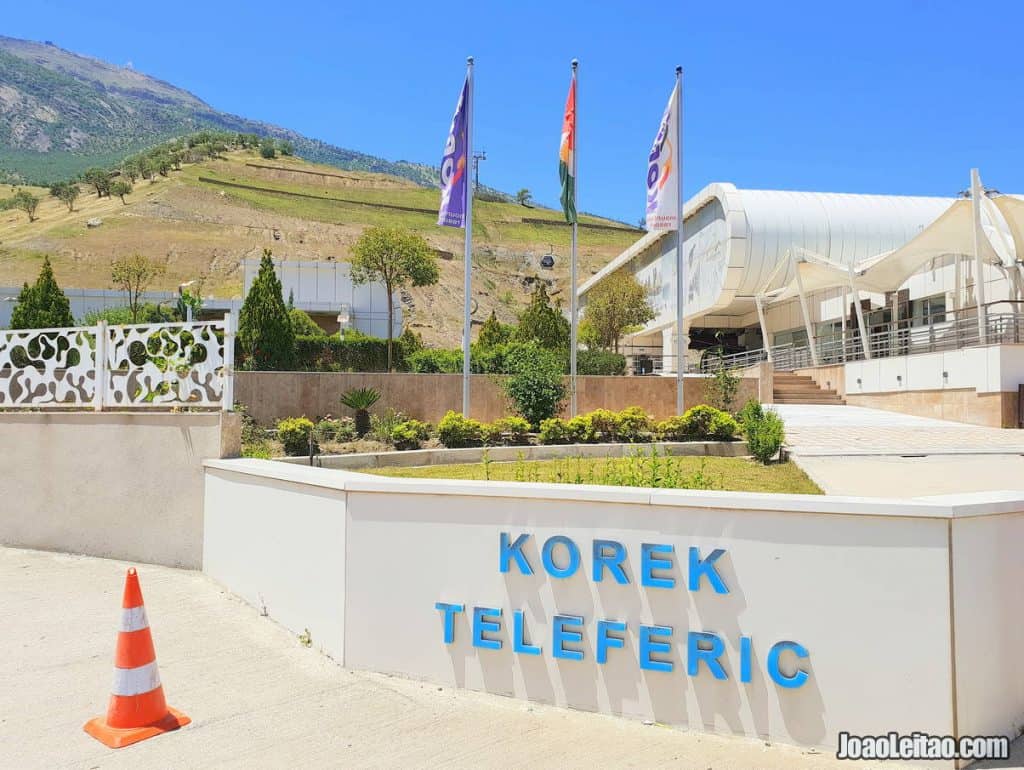
تلفريك كورك Who would say that Iraq has a 4 km cable car up the mountains, and that it’s used as the country’s main ski resort during the winter? Korek cable car is located near Bekhal, 110 km of Erbil. This place came as a totally unexpected surprise. I left my camper van in the parking lot and there I went on a 20 minute ride up the Korek Mountain that reaches 2215 meters high.

26. Gali Zenta

Gali Zenta, Iraqi Kurdistan

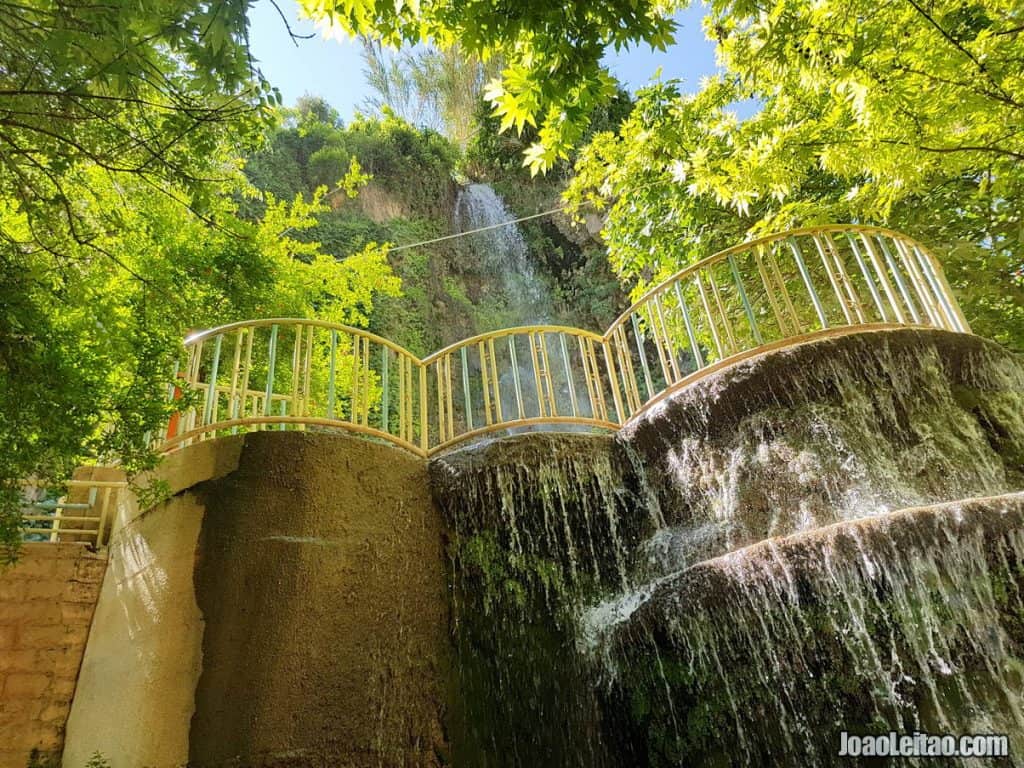
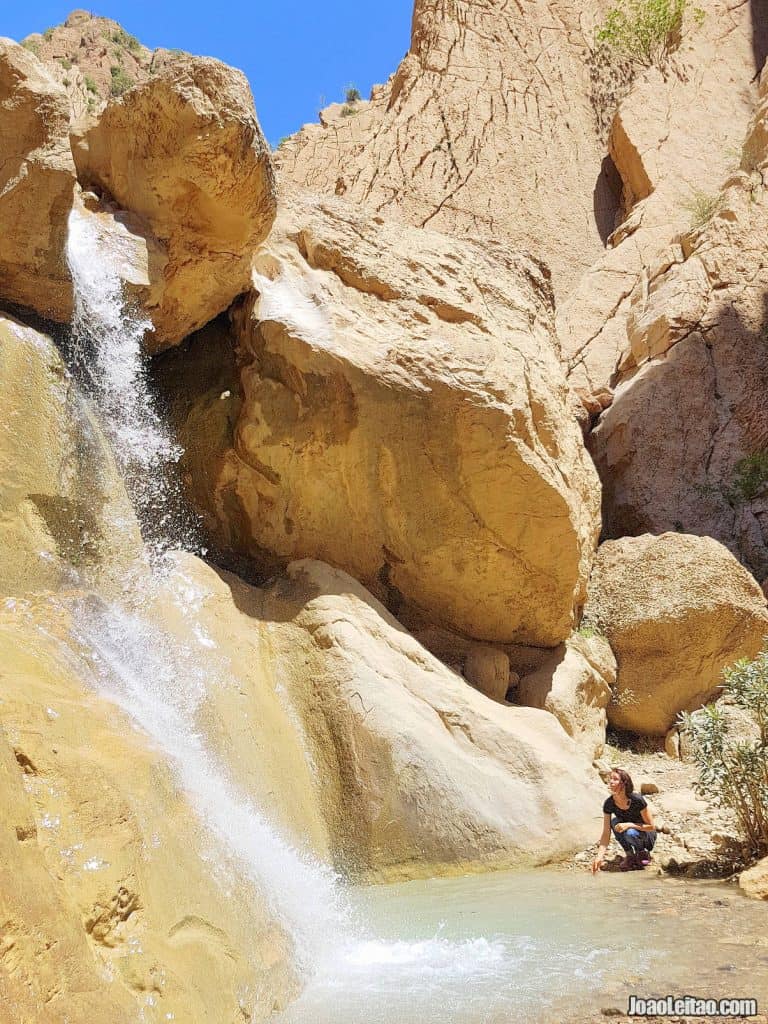
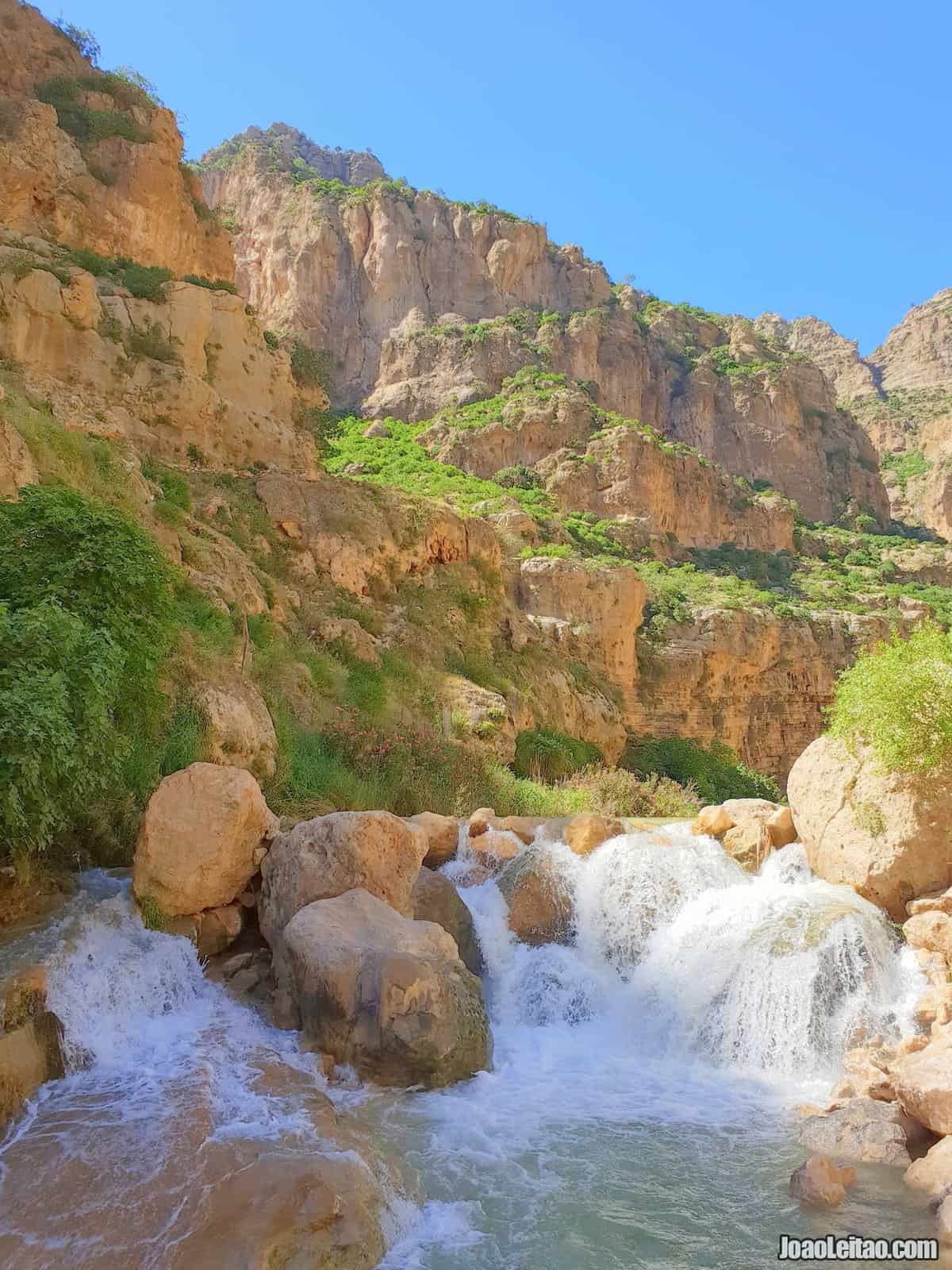
مصيف گلي زنطة Gali Zenda resort is a section of the Zenda Canyon where a small waterfall creates a beautiful resting point along with some riverside restaurants. Gali Zenda is located around 11 km from Akre city center direction Erbil, on the Zenda Valley road.

27. Akre (Aqrah)

Akre (Aqrah), Iraqi Kurdistan

عقرة‎ Built on a sharp hill by Prince Zand in 580 BC, the old city of Aqrah (Akre) is best explored walking around town to locate hidden staircases in the tight alleyways. Go up the viewpoint near the radio station, explore the lively market, and try to find the water cistern and The Jail (an eagle-like room). Akre is one of the most picturesque cities in Iraq.

28. Sennacherib’s Aqueduct at Jerwan

Sennacherib’s Aqueduct at Jerwan, Iraqi Kurdistan

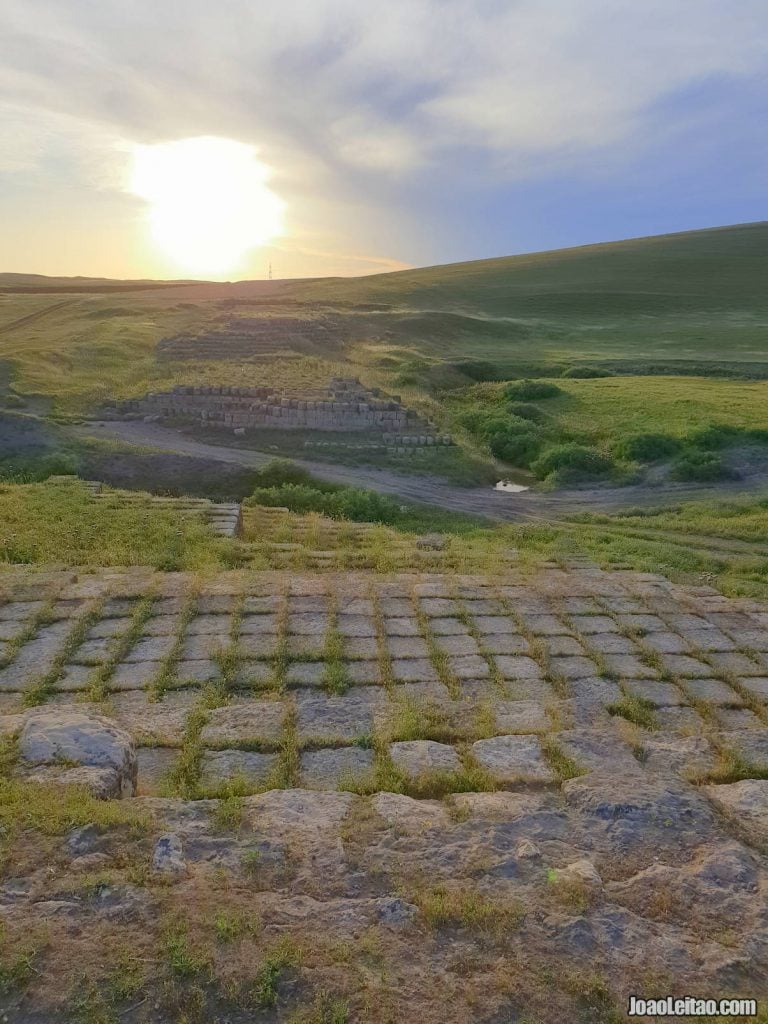
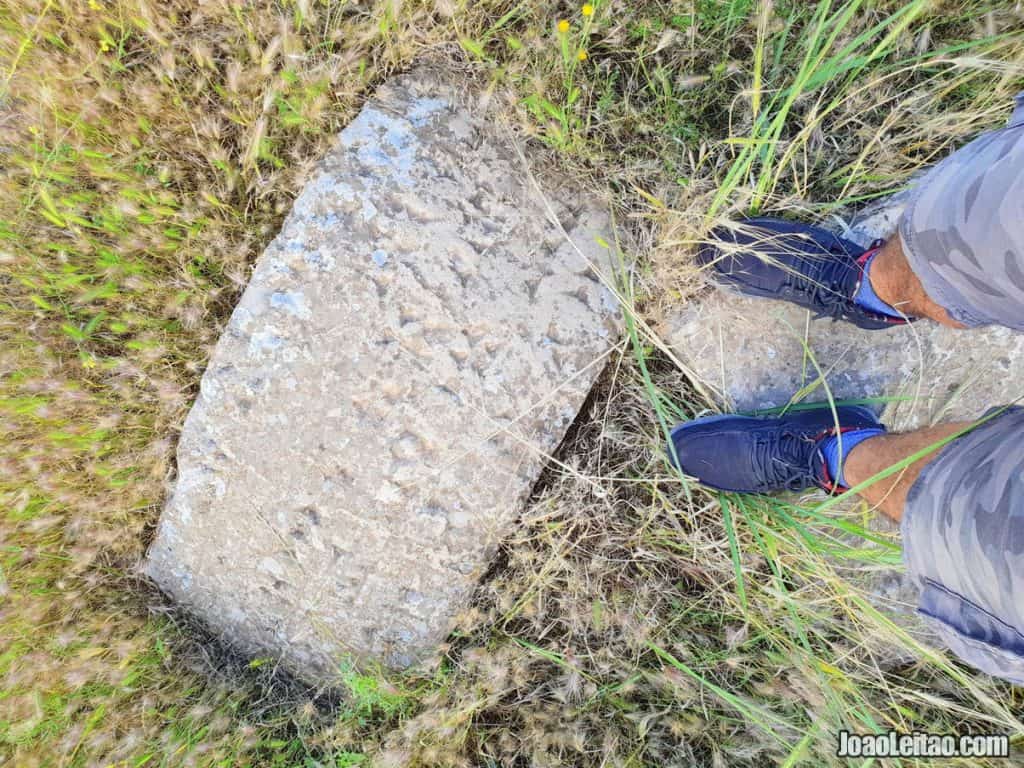
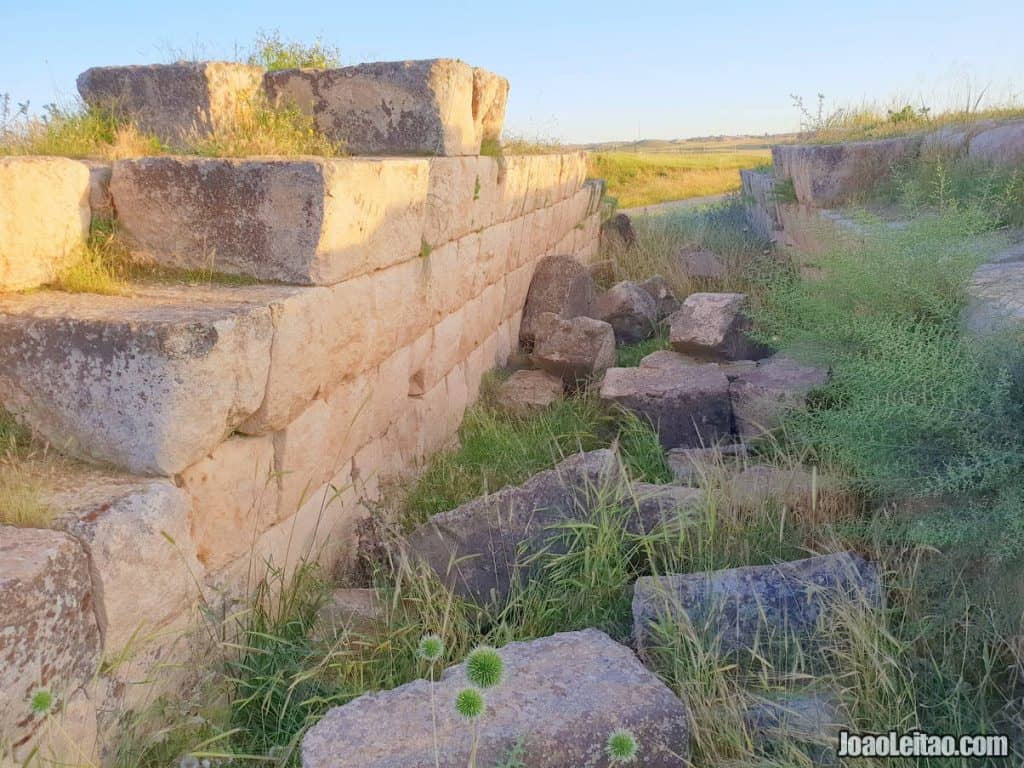
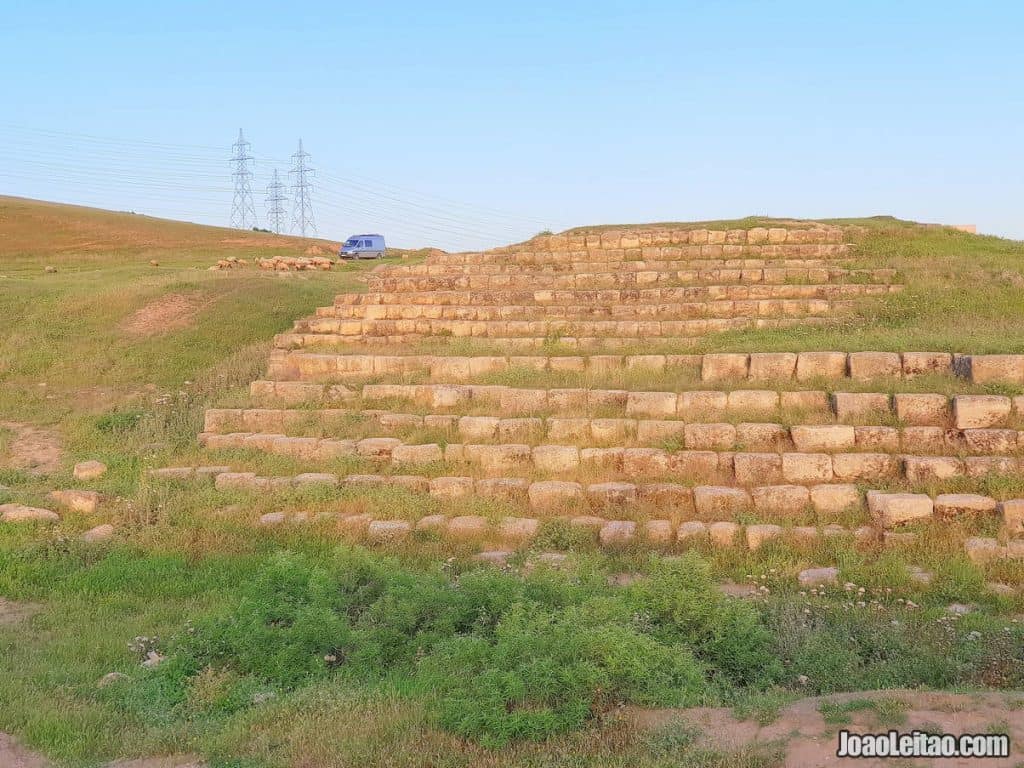
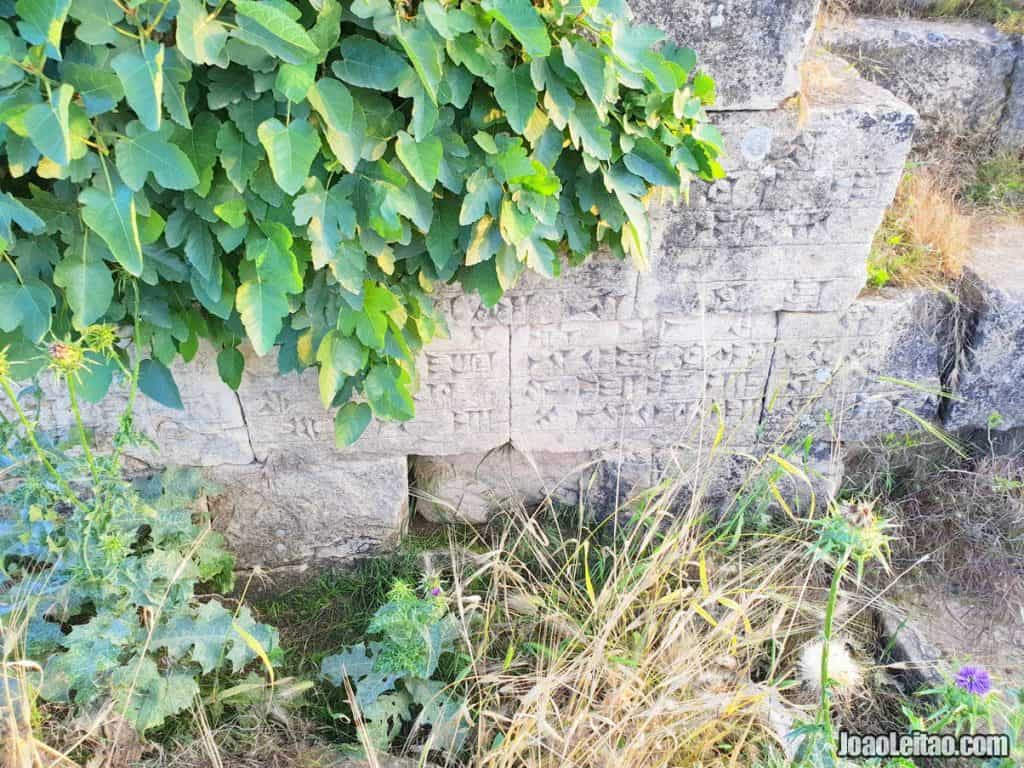
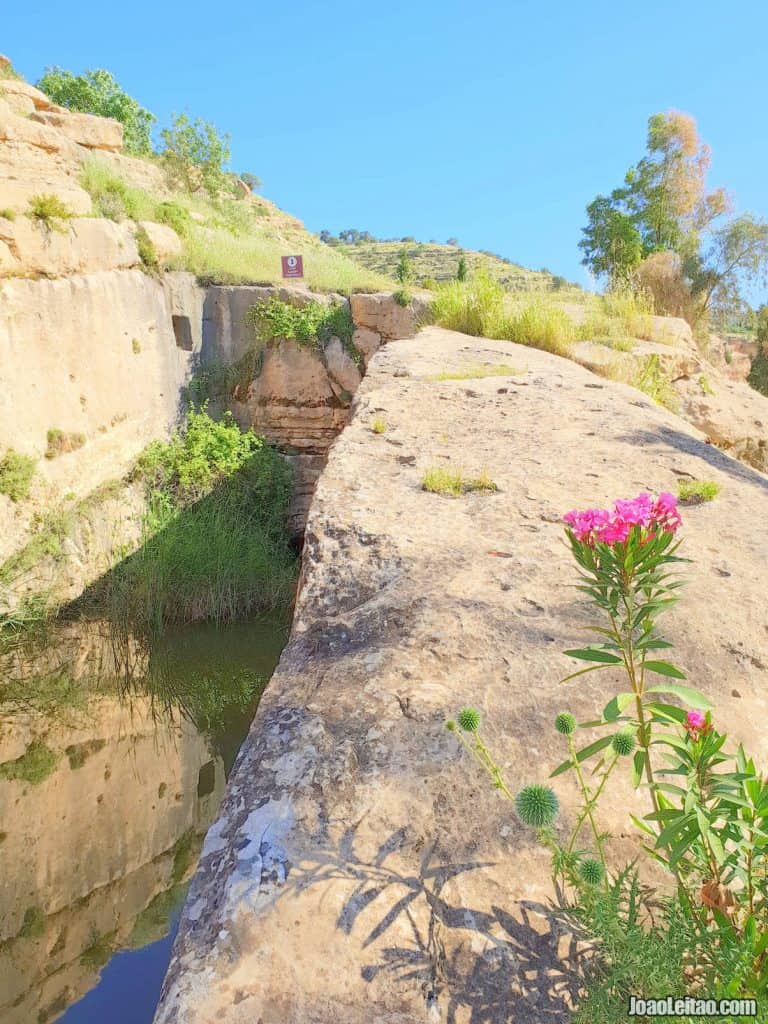
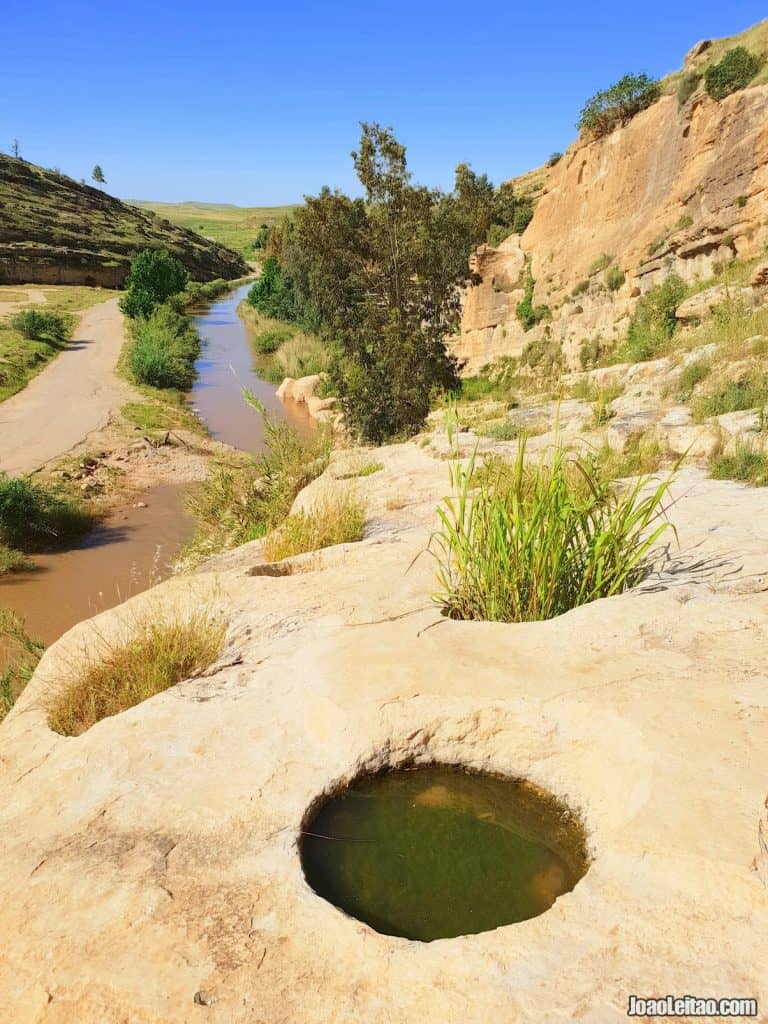
عبارة جروانا الأثرية I don’t quite remember how I end up finding the place as it was out of my normal route towards Lalish. Northern Iraq is full of historical surprises, and I end up visiting the Sennacherib’s Aqueduct at Jerwan during sunset. Incredible to be able to visit such a place on my own, discovering hidden cuneiform scripts among the vegetation. On its ninety-five-kilometer journey from the mountains to Nineveh, the Khinis canal crossed over an aqueduct at Jerwan. Commissioned by Sennacherib and designed by Assyrian engineers, the aqueduct allowed long-distance canals to cross high ground and valleys with equal ease. The monumentality and engineering of the Jerwan aqueduct exemplifies the power of the Assyrian Empire. Although ancient inscriptions focus on the elite in the capital, these images show offtakes from the main canal that suggest the water also helped Assyrian farmers as it made its way towards Nineveh. Sennacherib’s Aqueduct at Jerwan by Peabody Museum of Archaeology and Ethnology

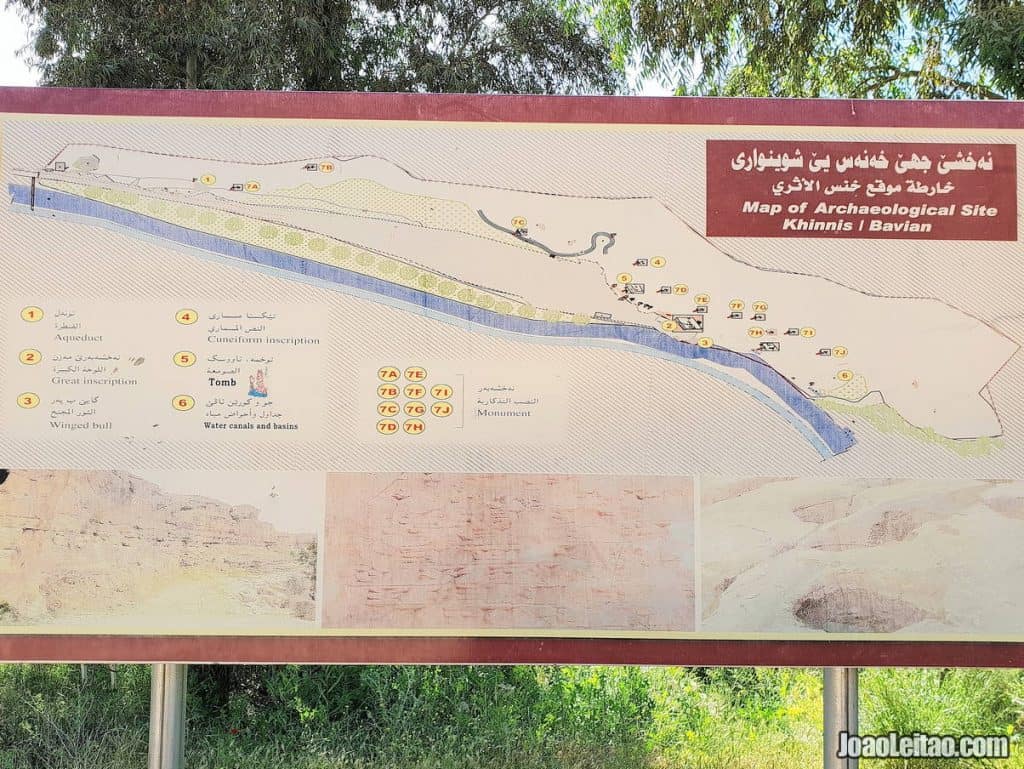
29. Neo-Assyrian rock reliefs at Khaniss

Neo-Assyrian rock reliefs at Khaniss, Iraqi Kurdistan

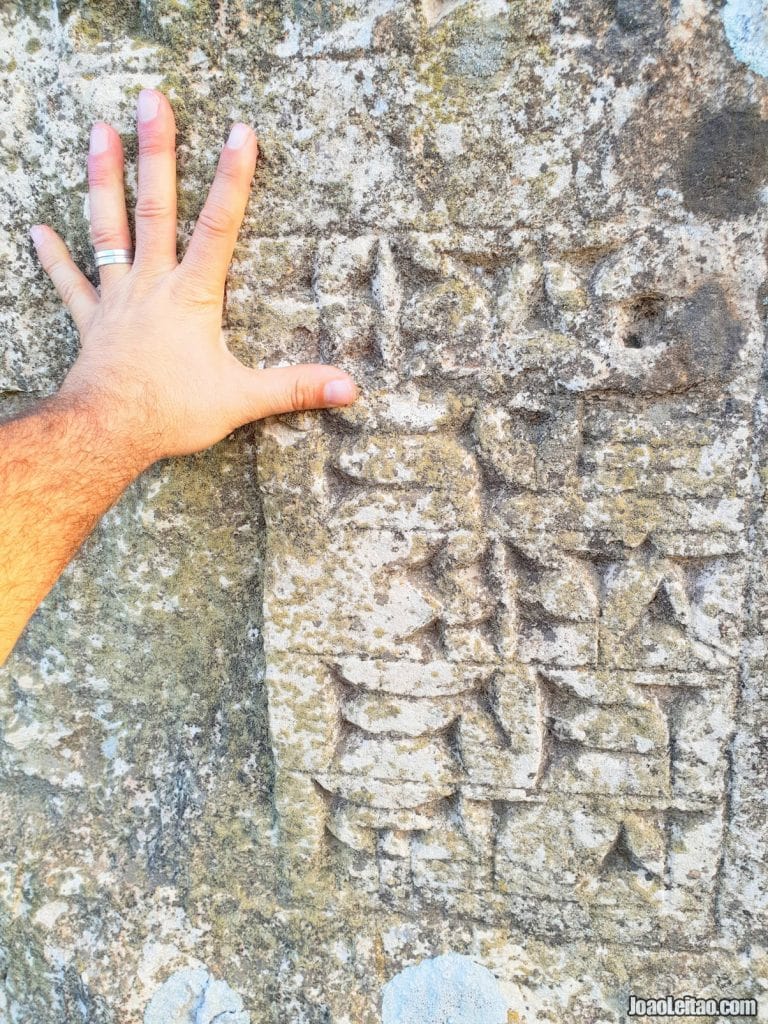
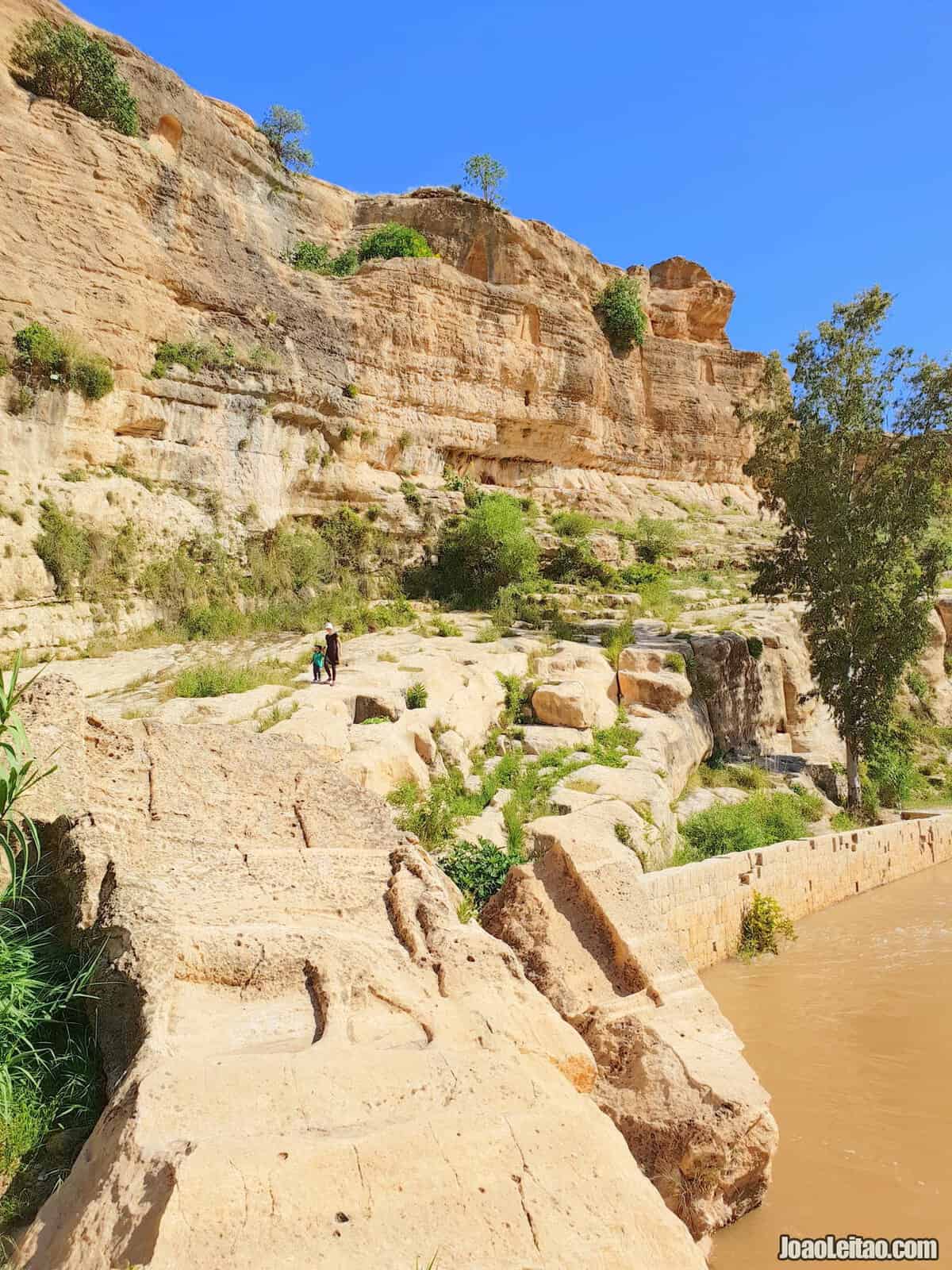
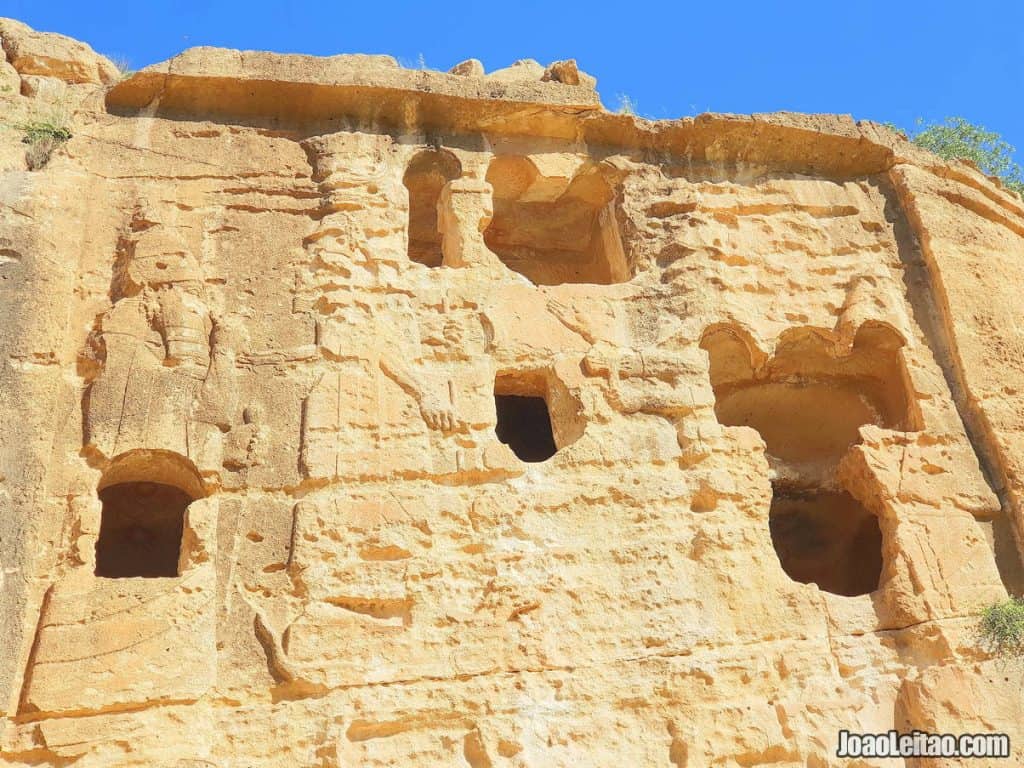
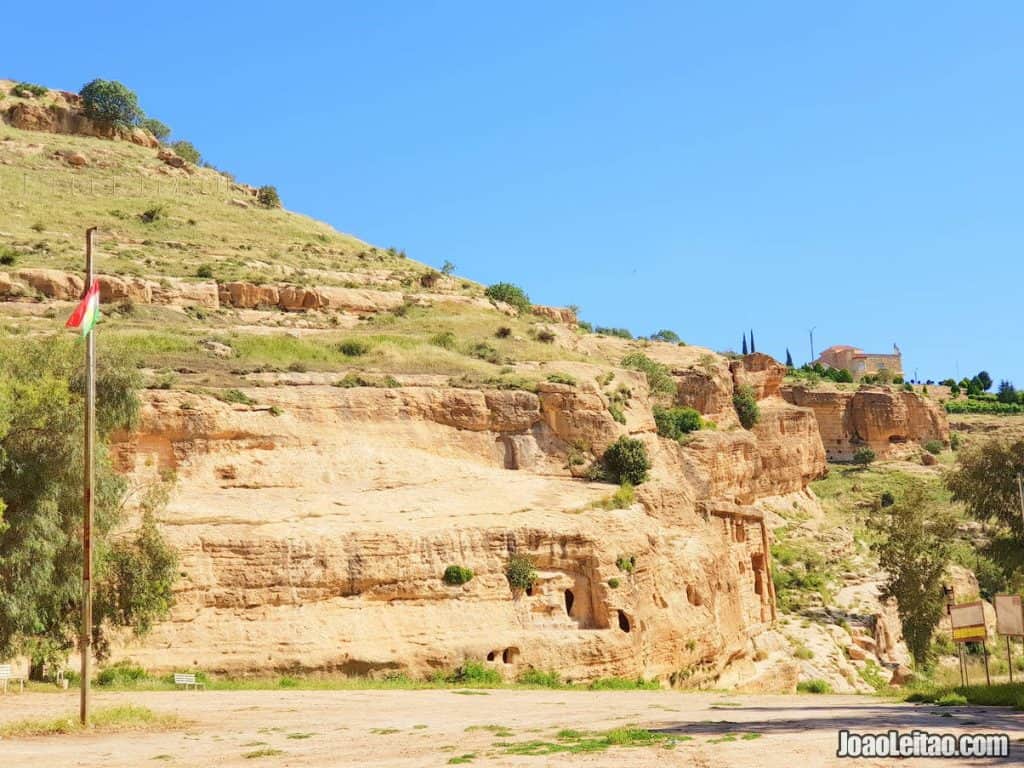
موقع خنس الأثري The Neo-Assyrian rock reliefs at Khaniss are worth a visit and detour anytime you visit the northern part of Iraq. I spent the night inside the complex gates after the army personal contacted their superiors in order to let me in. In the morning I explored the site and was amazed by its beauty and historical importance. The outdoor museum lies 16 km northeast of Shekan, in the Khinis Valley east of the Gomel River. This ancient site was built by the Assyrian King Sennacherib (700 B.C.), who named it Khanosa . The rock reliefs and tombs are considered the finest ancient rock carvings in the Badinan Region. Many reliefs were carved into the rock above ground, and their majesty is still visible to this day. Many tourists flock to see the Winged Bull, Sennacherib and two gods, different tombs, the gate with cuneiform writings, and the water canal tunnel. Neo-Assyrian Rock Reliefs: Ideology and Landscapes of an Empire by Metmuseum

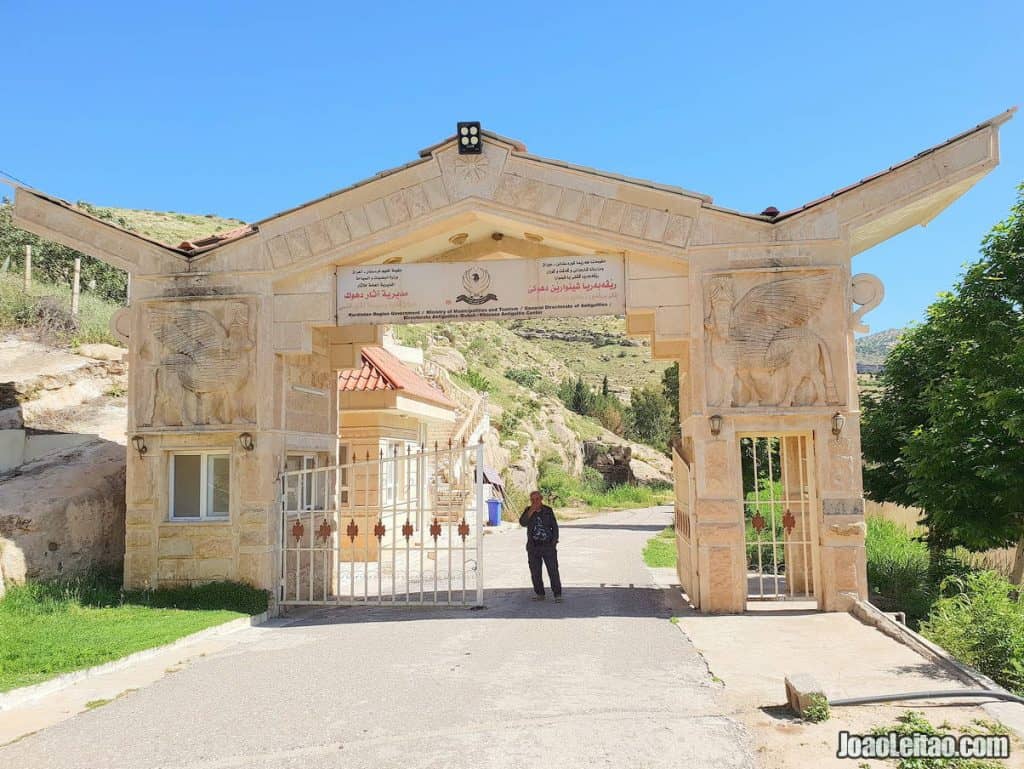
30. Lalish

Lalish, Iraqi Kurdistan

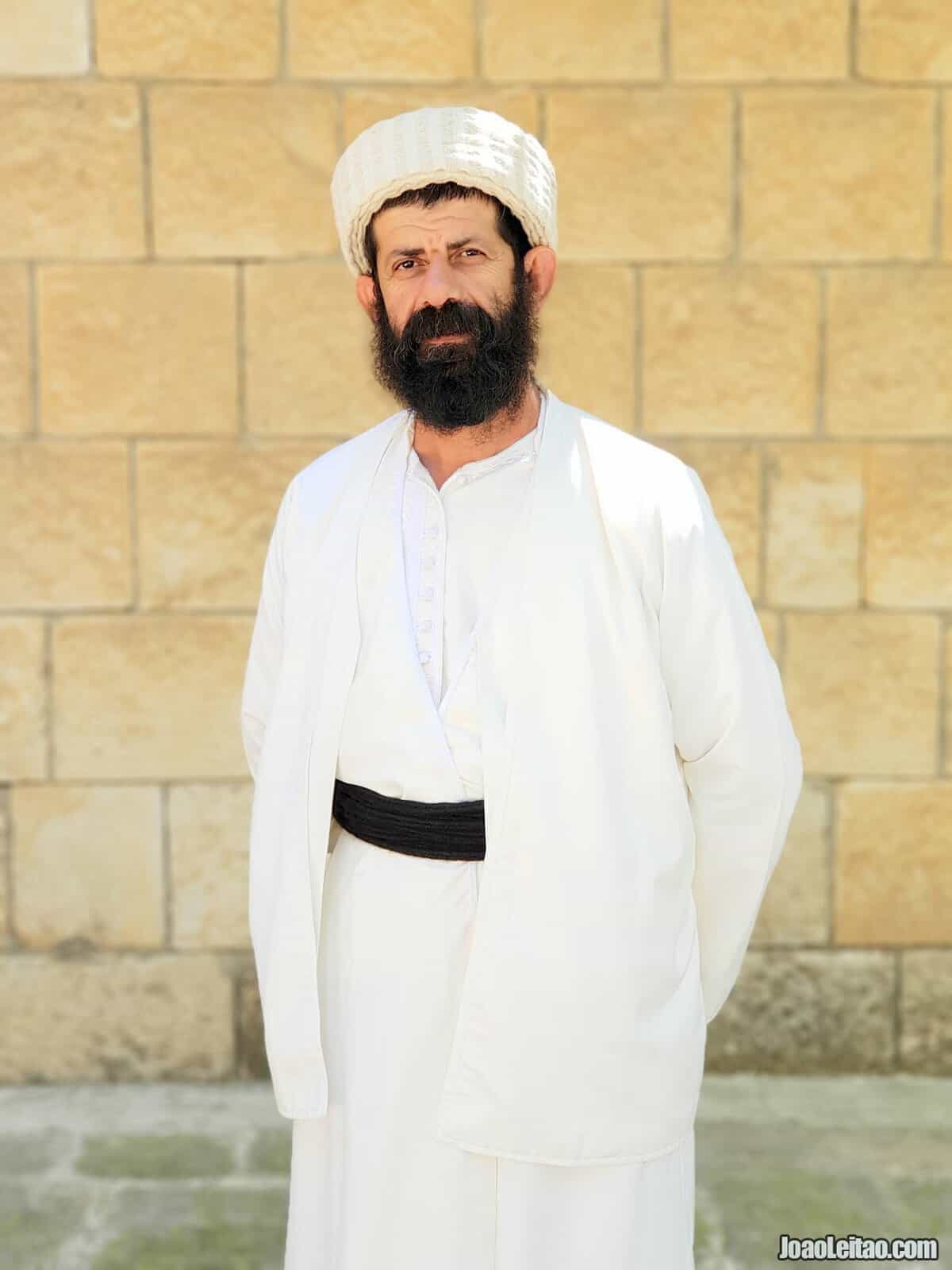
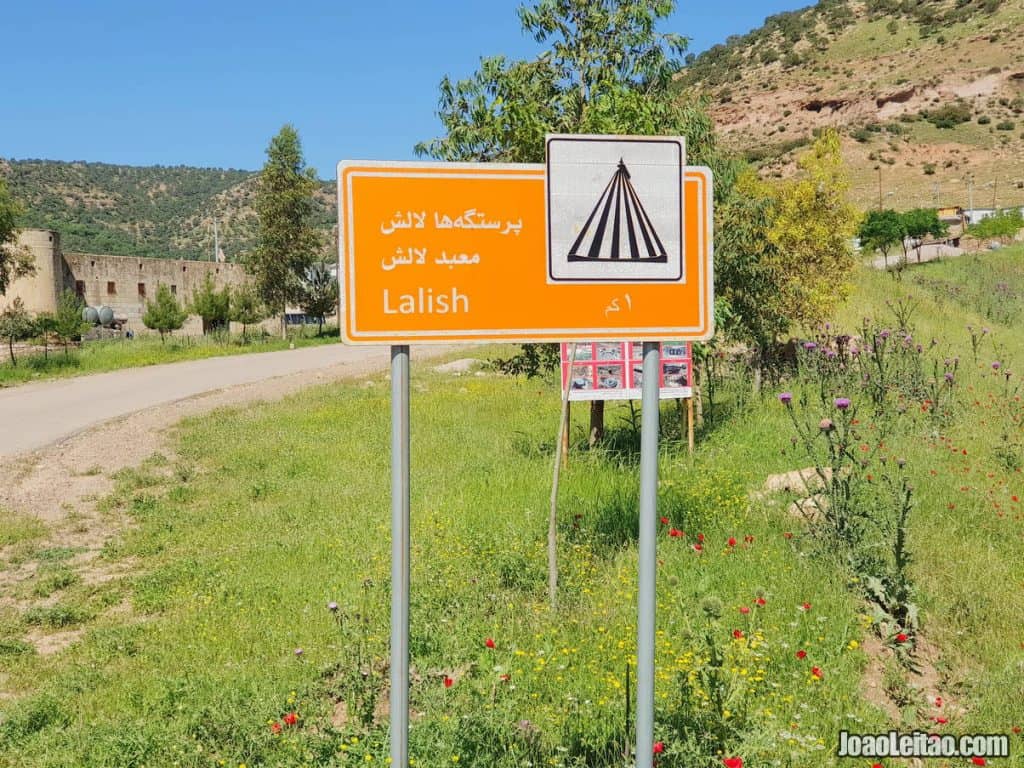
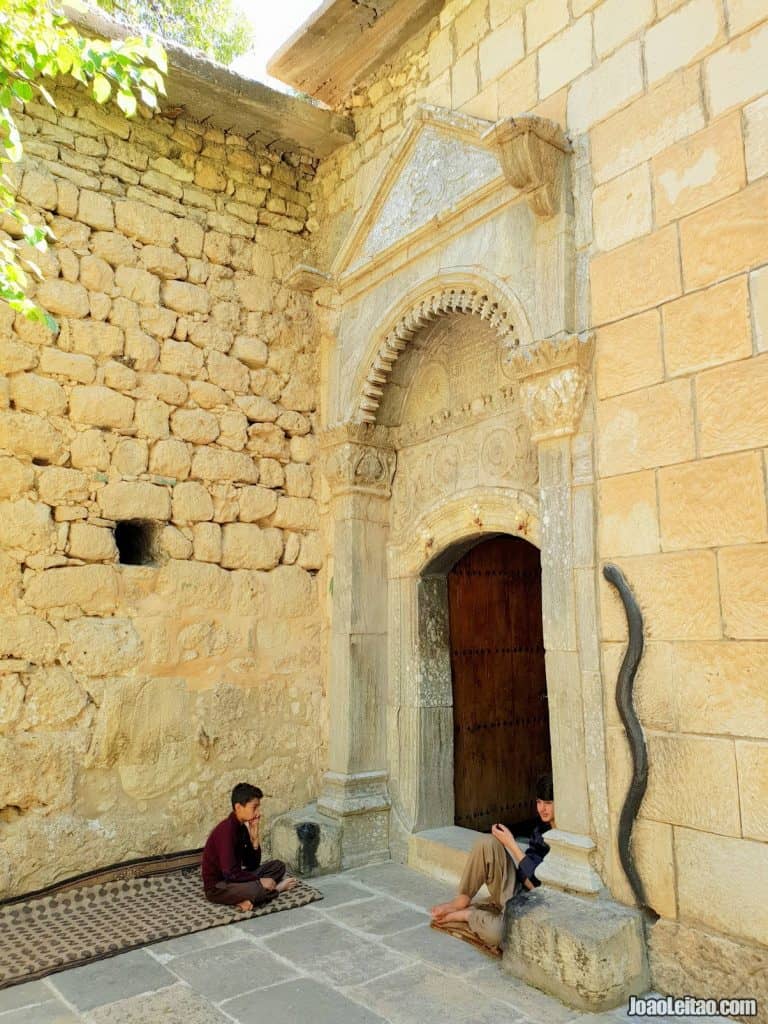
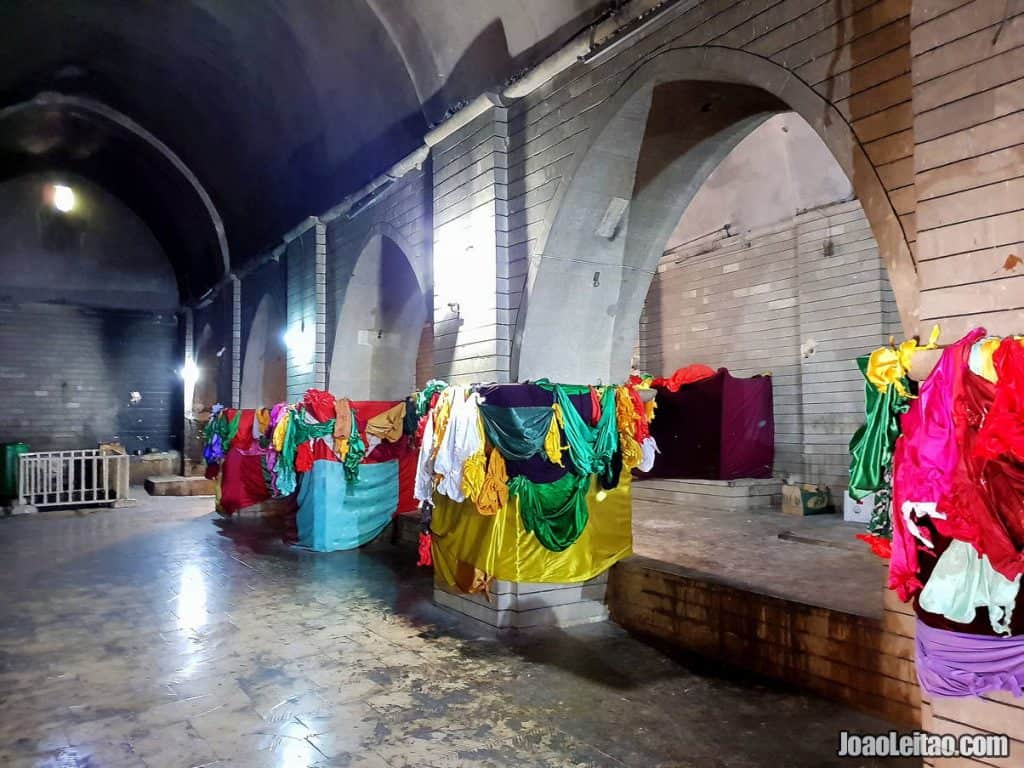
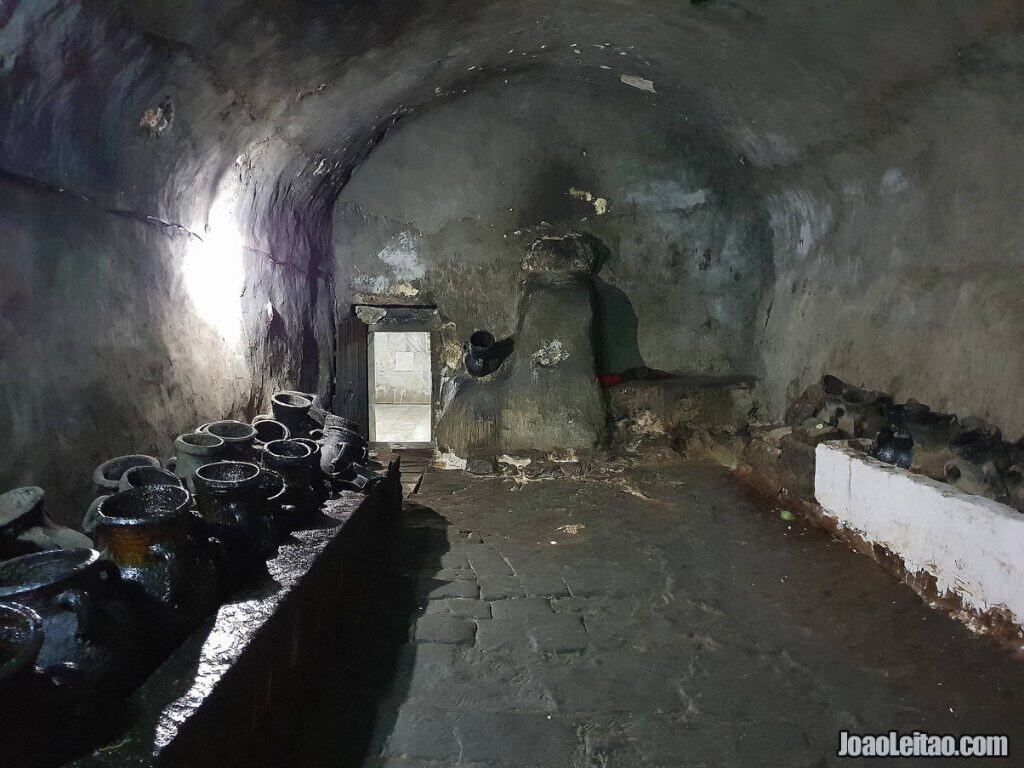
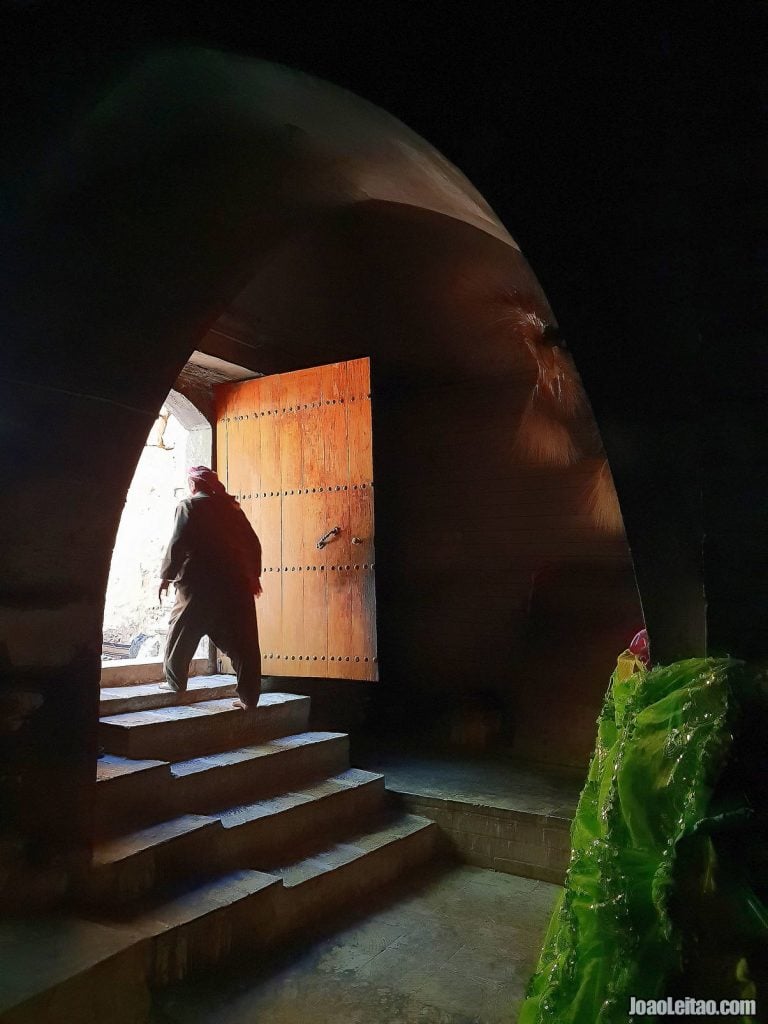
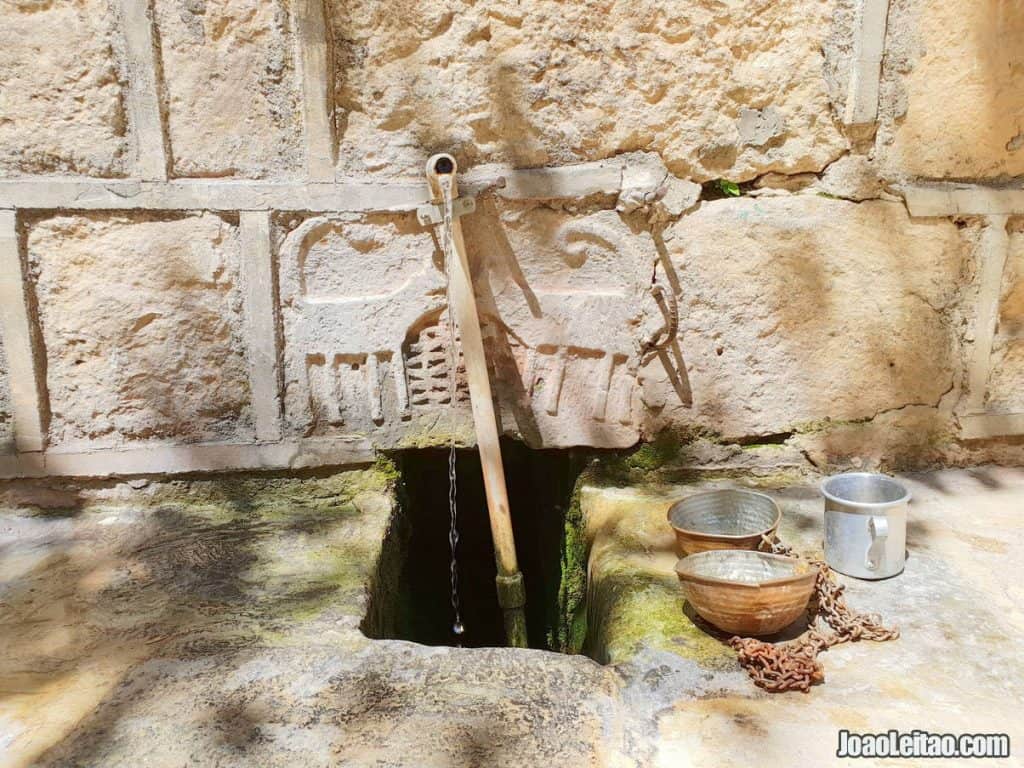
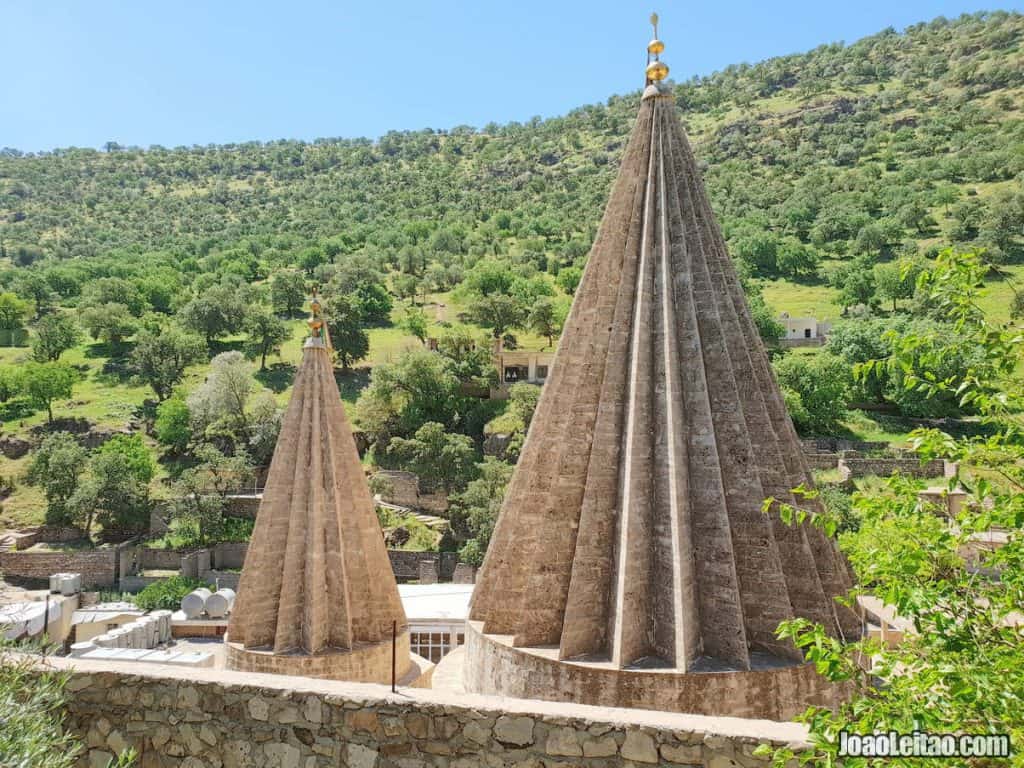
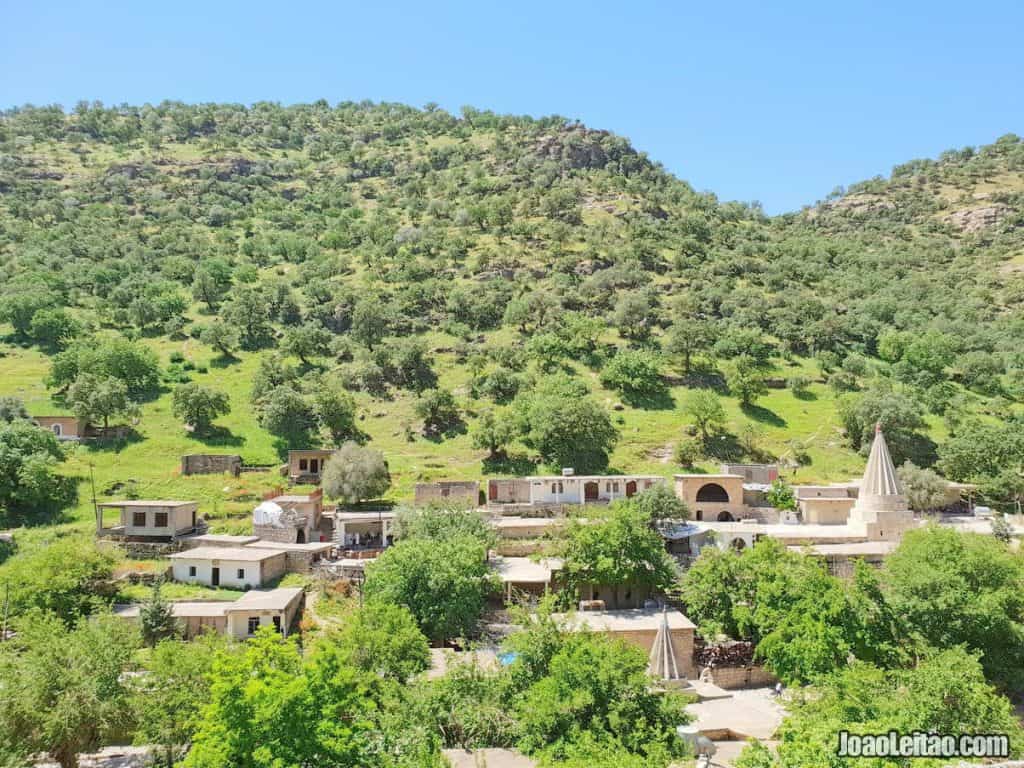
لالش Lalish Temple is the holiest site for the Yazidi religion that believes that this is where Noah’s Ark animals disembarked after the great Biblical flood. According to them, Lalish is very important for the rebirth of civilization. Today, Lalish is a significant pilgrimage site for Yazidis coming from all over the world. Drinking the holy water from the numerous fountains around the village is a must. Visitors have to take their shoes out as soon as they enter the village. Yazidis commemorate Spring Festival on the first Wednesday of March so if you’re around northern Iraq during these dates, don’t hesitate to participate in Lalish festivities.

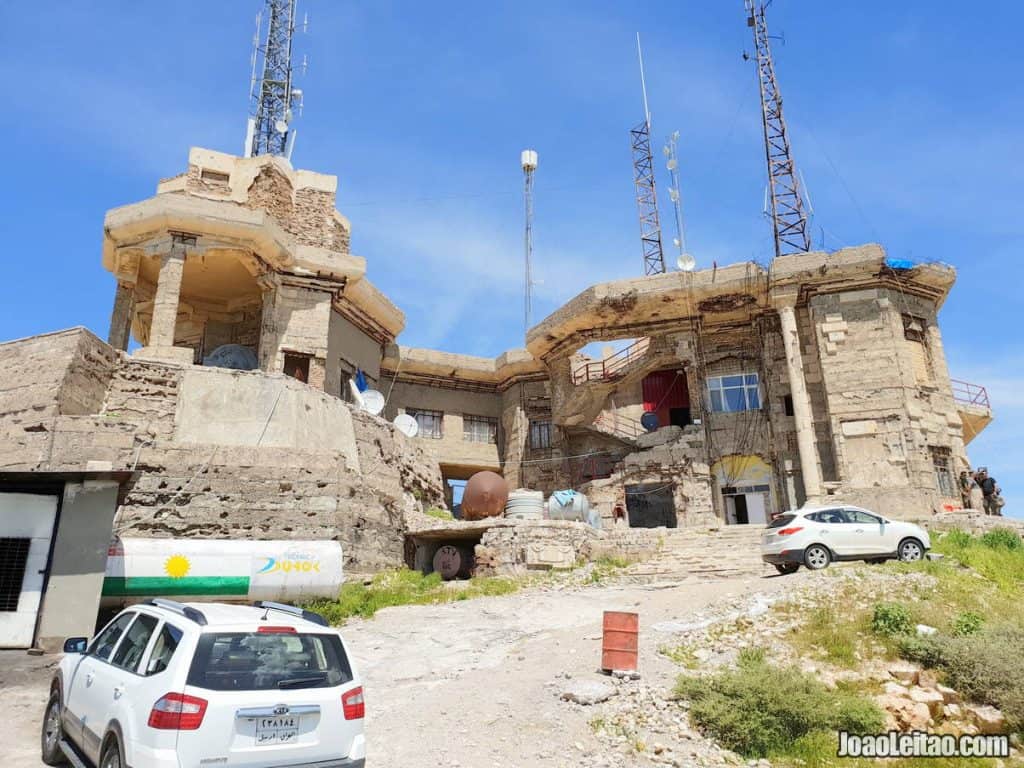
31. Saddam Hussein’s Palace at Gara Mountain

Saddam Hussein’s Palace at Gara Mountain, Iraqi Kurdistan

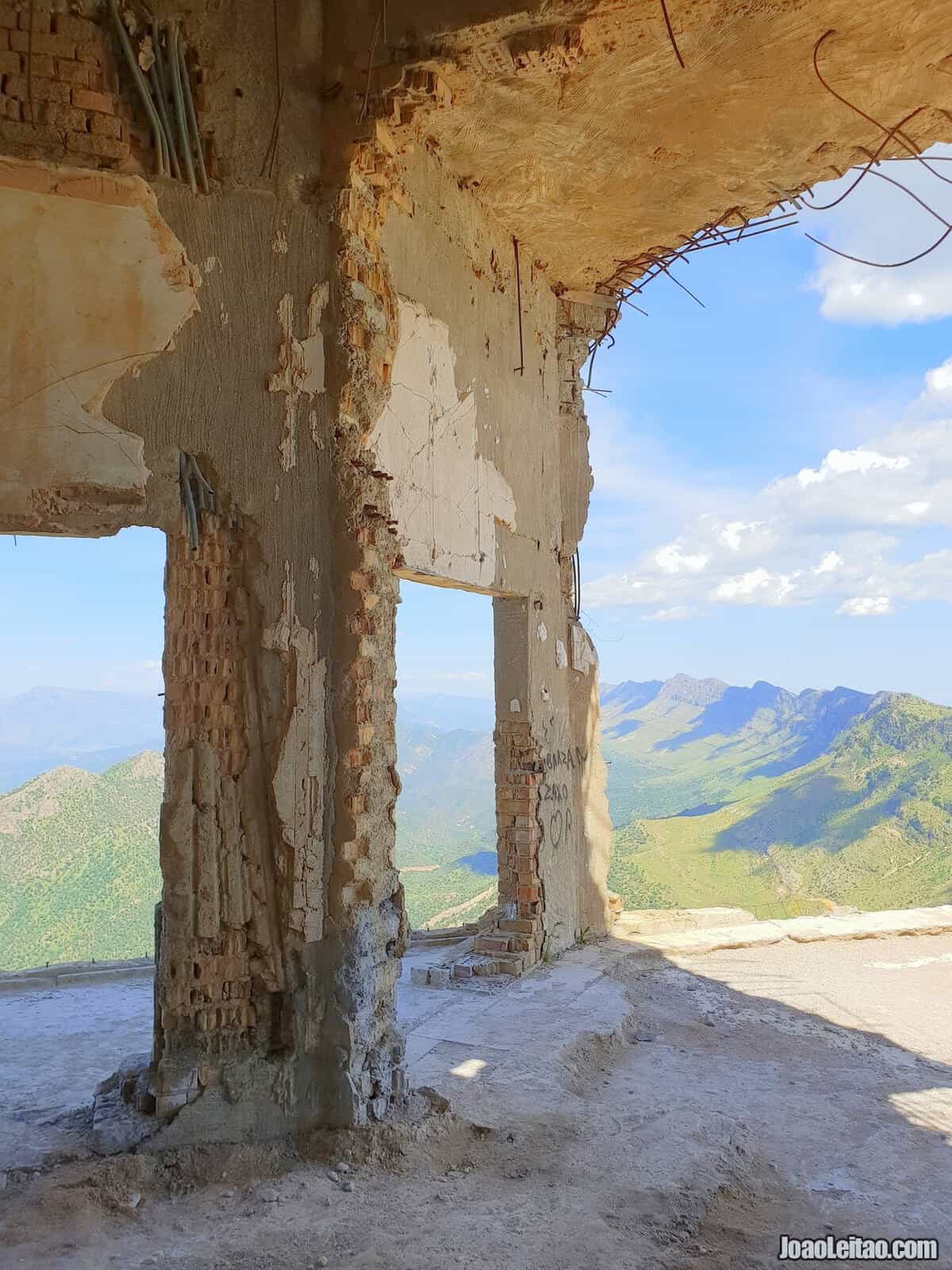
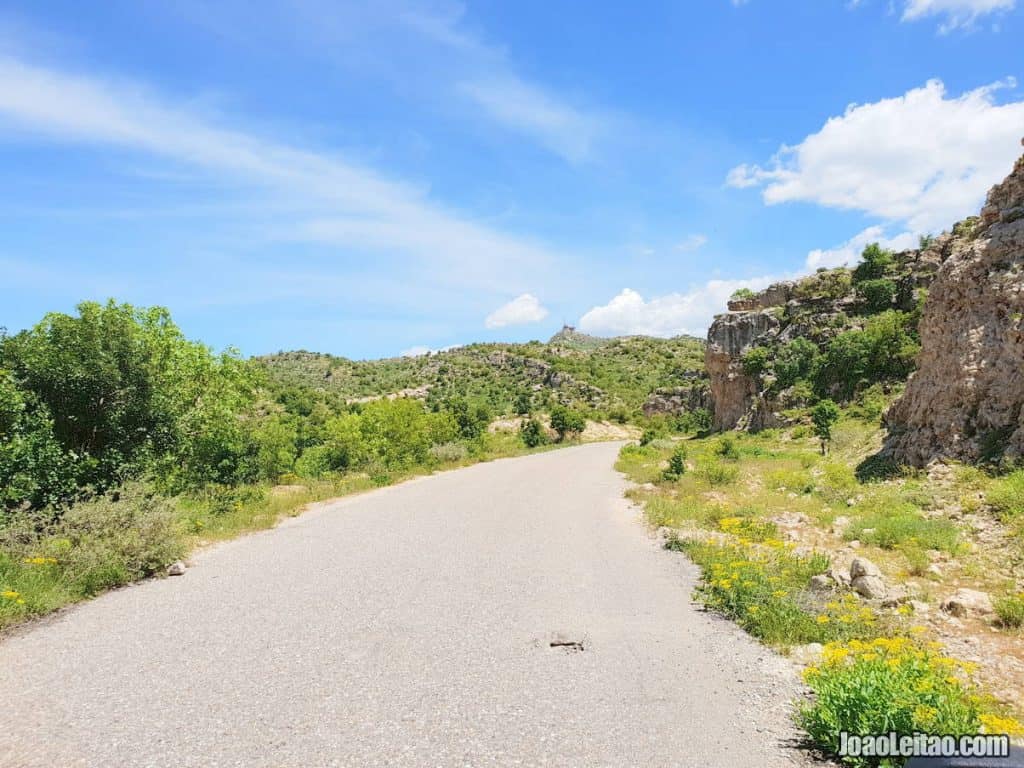
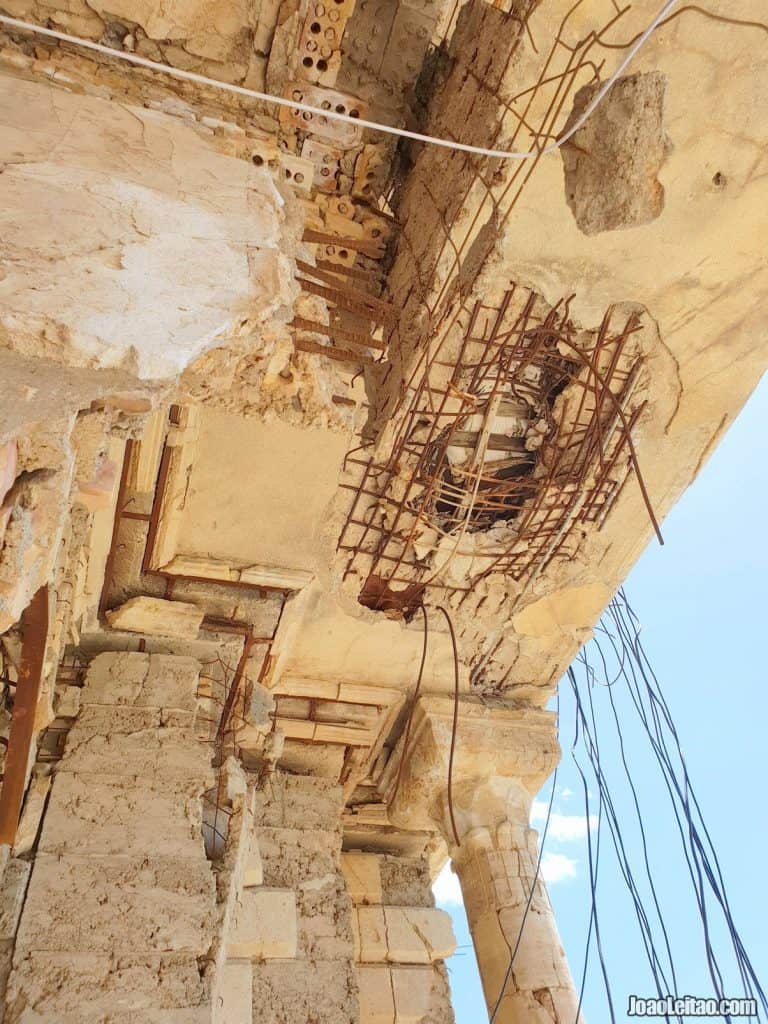
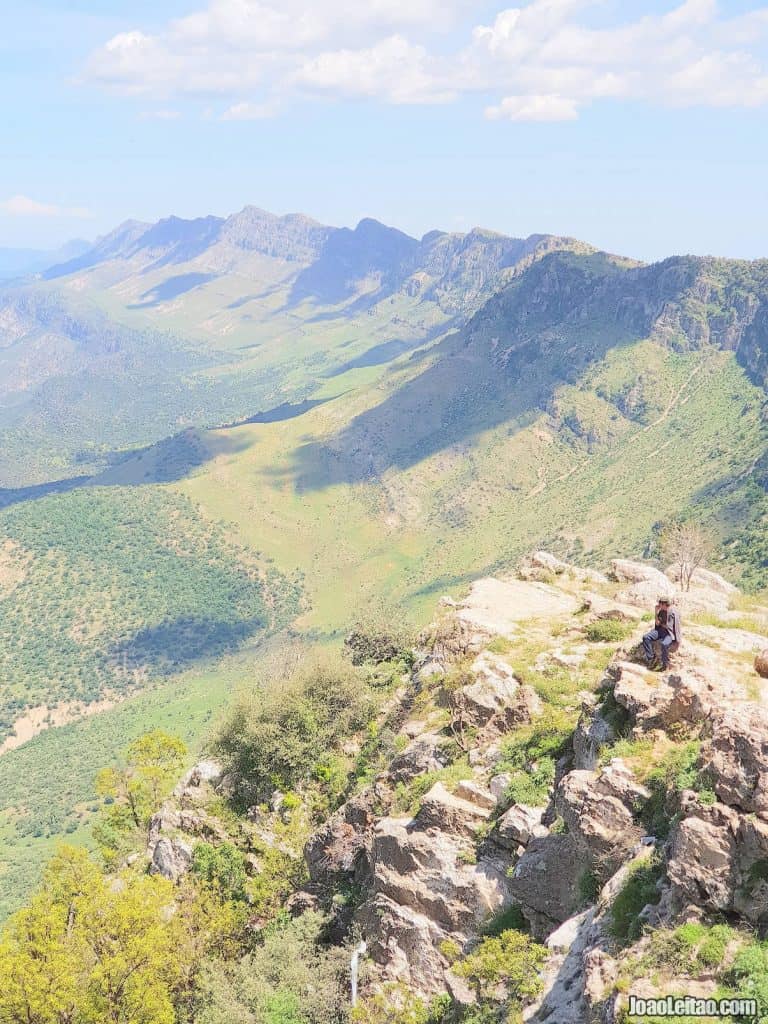
قصر صدام حسين في سارسنج At 2150 meters high, on the top of Gara Mountain, there is a former Saddam Hussein palace that is now used as an important Peshmerga army base. The palace can be visited, and you will be amazed by the incredible views over the Sarsing plateau. Be cordial to the army personal and they will escort you around the complex.

32. Dalal Bridge

Dalal Bridge, Iraqi Kurdistan

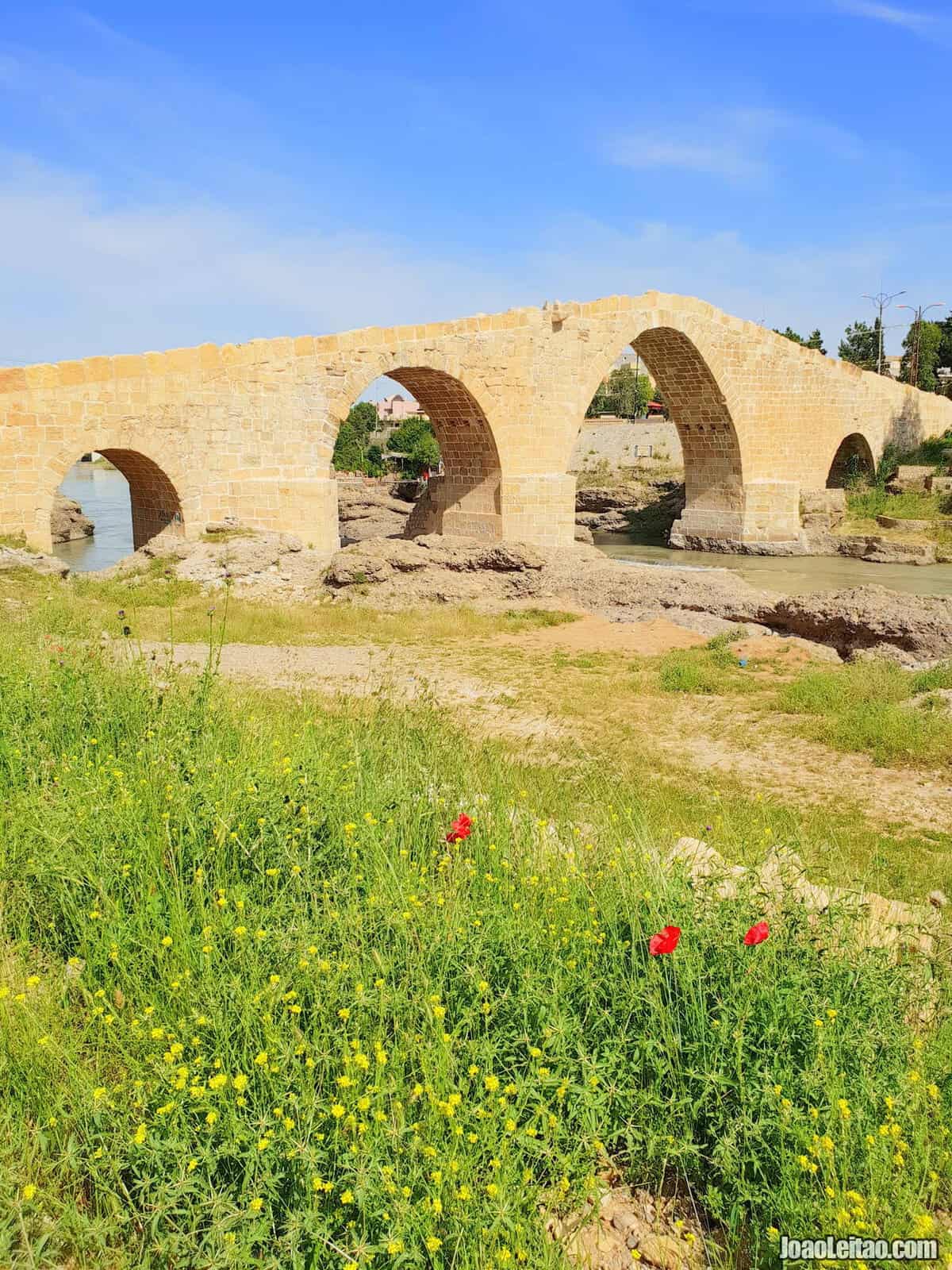
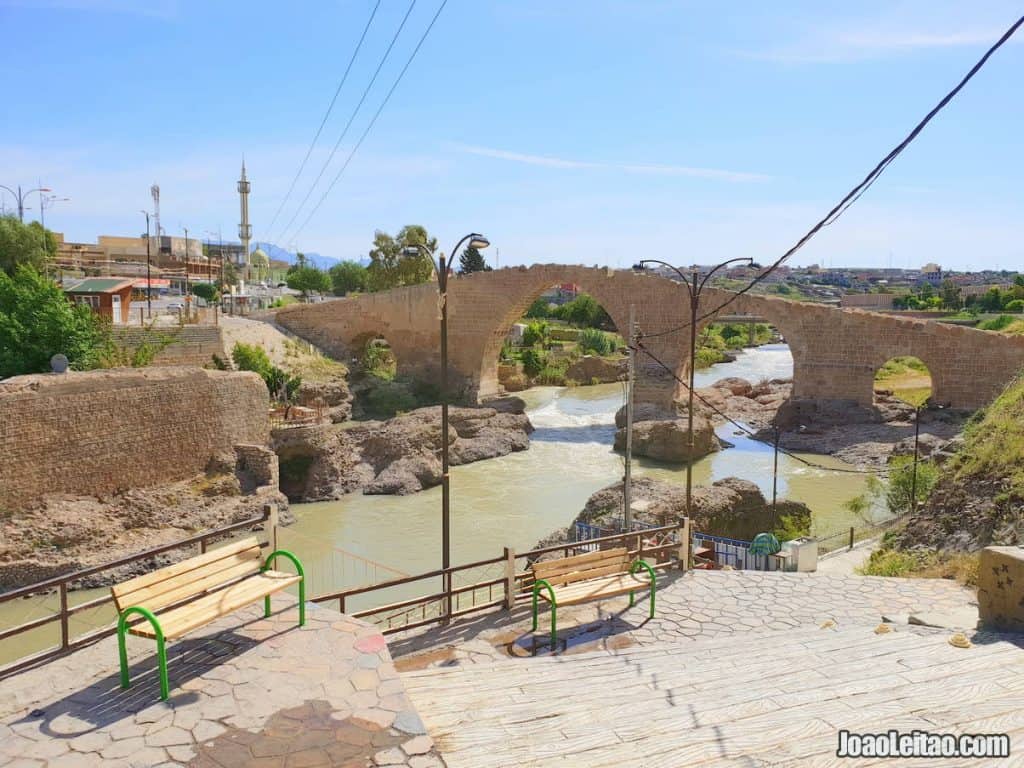
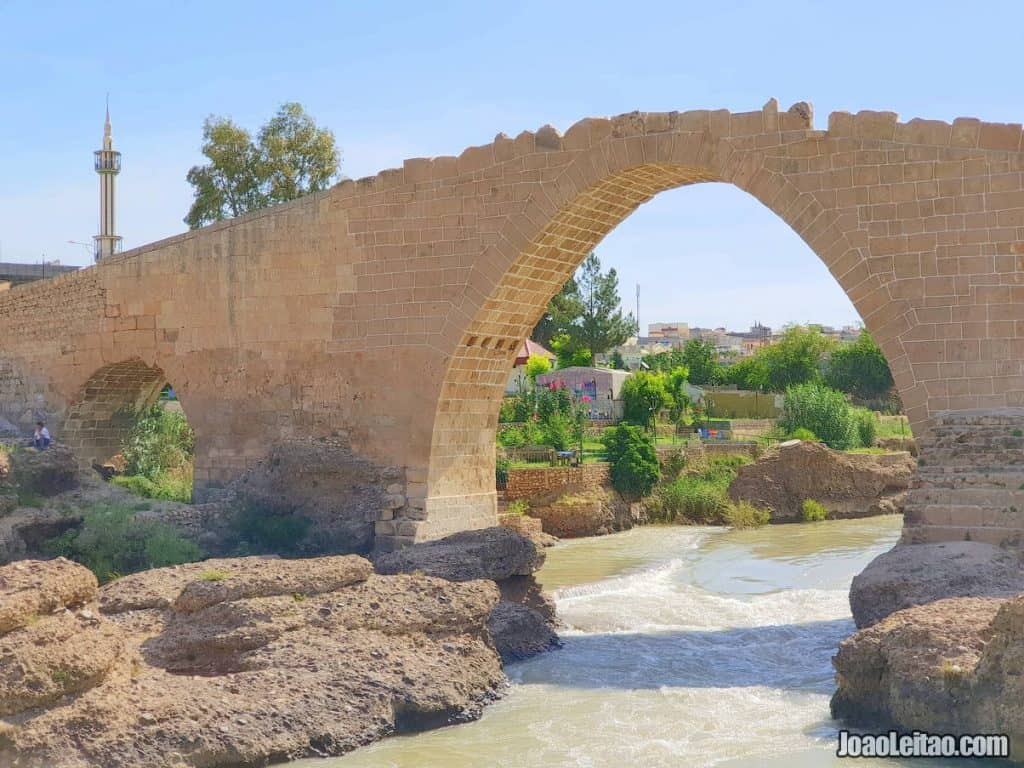
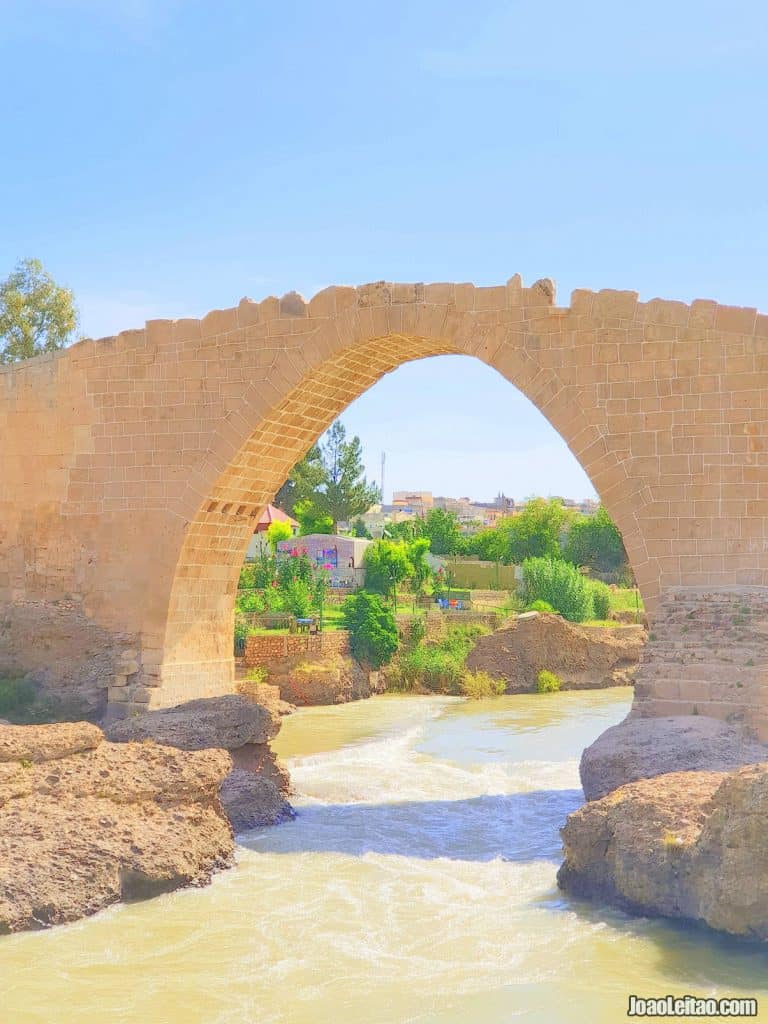
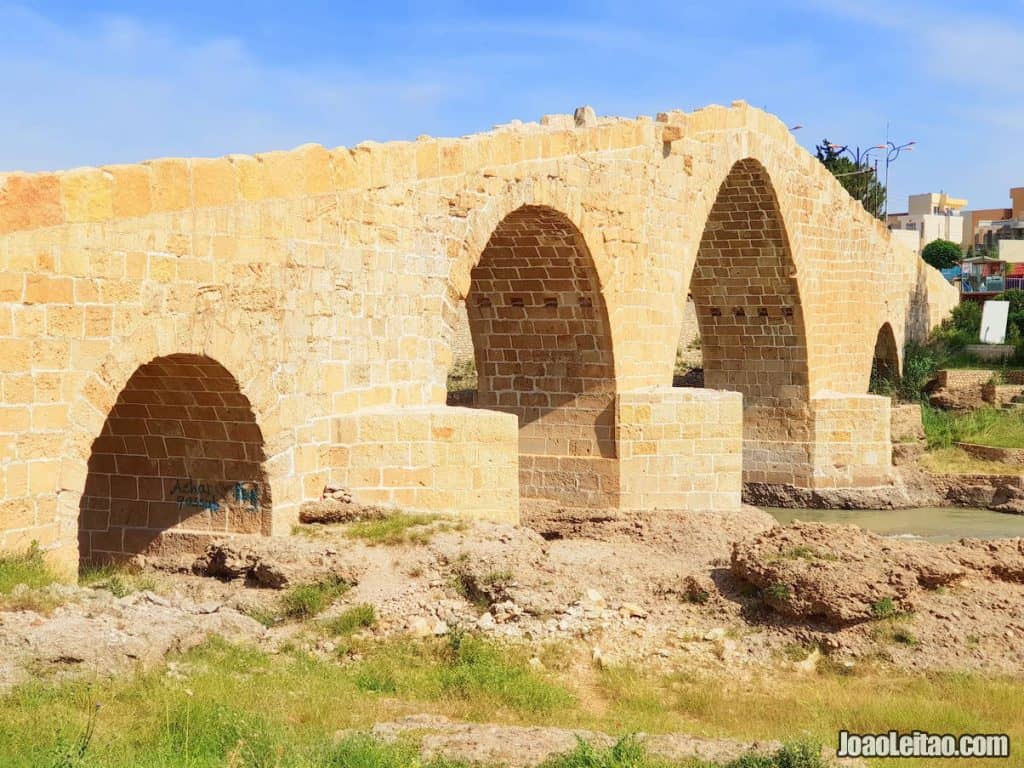
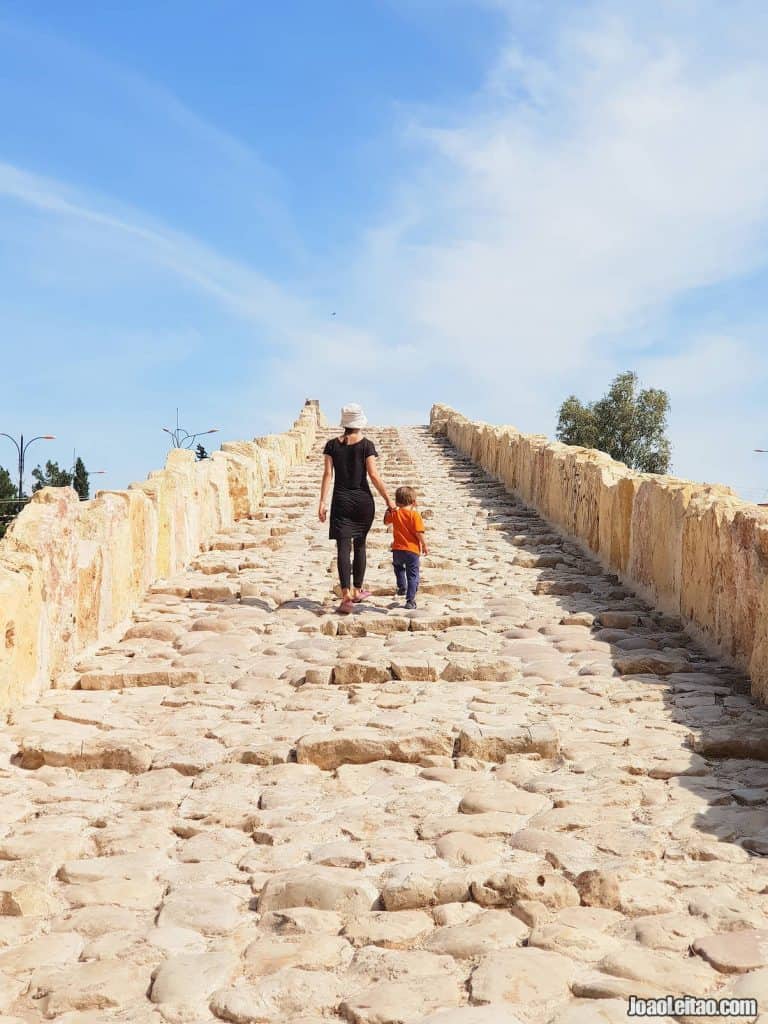
جسر زاخو Dalal Bridge over the Khabour River is located in the city of Zakho, near the Turkish border. The structure of this ancient stone bridge appears to be from the Abbasid era but some earlier vestiges date back to Roman times.

Getting There & Around

from my own crossings — prices are 2019 field notes, treat as historical

Bus Istanbul to Erbil

This is possibly the cheapest and easiest way to enter Iraq. The journey is long and takes about 30 hours but is worth it for many reasons. The bus crew will help you out at the Turkish and Iraqi border as they do not want to wait much since the bus is waiting. The price of the BUS ticket from Istanbul to Erbil was 77 Euros / 110 dollars. I knew about this bus with the help of a Turkish friend. When looking on the Internet we only found information in Turkish language. There is a bus every Monday and Wednesday at 10 am. Supposedly, the bus leaves Otogar Esenler bus terminal. However, during a phone booking (yes, you have to book it in advance since it’s a very busy route), the driver explained us that most people who make this trip live in the city center. For that reason, the bus came and picked everyone up near Aksaray. The phone for further information is 4444773 BUS Company Ozlem Cizre Nuh. Along the journey there are several stops for toilet and meals. You can always ask the driver how long the stops last, but they usually take 10 or 30 minutes up to 1 hour. [message_box type=”attention”] NOTE : You can consult the webpage of Esenler Otogari for more information about these buses. [/message_box]

Ibrahim Khalil Border

This border between Turkey and Iraqi Kurdistan is also called the Habur Border Gate. It is placed on a bridge which crosses the natural border of river Khabur (or Tigris). Even though we are entering Iraq, the Kurdistan Regional Government is actually in control of the bridge. The flag of Kurdistan is perfectly visible on the checkpoints where the Kurdish Peshmerga fighters show their authority. At the frontier, the policemen were very friendly and asked me to pose with them for their cellphone cameras. It was like having my own private welcome party.

Taxi from Erbil to Dohuk

After a couple of days in Erbil, the capital of the Kurdistan Region in Iraq , I decided to take a private taxi as it is one of the safest, most comfortable, and fastest ways to move from city to city. I took a taxi near the citadel in Hawler (Erbil), and simply said “Dohuk garage”. Then the driver took me to an office from where private taxis (BMW, Toyota and Hyundai) take people to several destinations in Iraq. I noticed that one guy gave money to the taxi driver, a small fee for his work. For sure, there are other companies providing the same service, so it is fair enough he gets something. Since I knew the price of this trip forehand, I was OK for a possible cost increase. The journey crosses the protected Kurdish zone (road that goes through Ruwia), but does not pass in Mosul. It takes about 2 hours and a half with a stop for tea and to go to the toilet. The car has air conditioning and takes 3 passengers + driver. The price of the taxi from Erbil to Dohul is 15,000 Dinars = 8.89 EUROS. The agency’s staff was very friendly and exuberantly celebrated my presence playing with me, taking pictures with their mobile phones, taking my camera to take pictures of each other making funny things… Well… Incredible! Sign with phone and Company name.

Hitchhiking Dohuk to Akre — my 2009 route

I made three major trips hitchhiking in Iraq and asked for a ride several times both in Erbil and in Dohuk. I met these people randomly in the street while asking them for directions. After traveling in Iraqi Kurdistan for a couple of days using shared taxis, private taxis and buses, I decided to try hitchhiking to see if I could get into a more personal relation with Iraqis. People who travel always have something to tell, they are usually about to do something that somehow can be interesting for me to learn a little bit more about “local people daily life”. Hitchhiking can sometimes be a dangerous activity, as we all know. We are going to deal with strange people and travel with them inside their own car not knowing what they can do to us. But the situation also creates fear to drivers, as they don’t know who hitchhikers are. I felt really comfortable and safe with the idea of hitchhiking in Kurdistan. People seemed very friendly all the time and safety was, above all, an achievement for all Kurdistan inhabitants, either Kurds, Arabs or Assyrians. Yes, you can feel that safety.

Prices and cost of living

Knowing the price of several items and the overall costs to visit a country gives us a general idea of the amount of money we need to spend while on the road. On this page I make a short list of my expenses while traveling in Iraqi Kurdistan. 1 fruit smoothie = 1000 dinars 1.5l bottle of water = 250 dinars 120gr of honey + honeycomb = 7500 dinars 1 loaf of bread + falafel + salad + potatoes = 500 dinars 1 ice cream = 500 dinars 1kg of bananas = 2000 dinars 1 cup of tea = 250 dinars ½ kg of figs in the market = 1500 dinars 1 big slice of cake = 1000 dinars Breakfast (3 loaves of bread + sweet cheese + honey + walnuts + tea) = 3000 dinars Lunch = 3500 dinars Iraqi Kurdistan Flag = 2000 dinars 1 pair of boxer shorts = 2000 dinars 1 hour of Internet access = 2000 dinars 1 rug 1m x 1,20m = 15 dollars 1 rug 2m x 1m = 45 dollars City fare on a taxi (Erbil) = 3000 dinars City fare on a taxi (Dohuk) = 2000 dinars

My Kurdistan, in Stories

The month in a camper van is told in Van Life Iraq: 1,638 km, including the night we were evacuated from Qiz Qapan — place number 15 on this list. Mosul, six months after liberation, is its own story. The region’s World Heritage — Erbil Citadel inscribed, Amedi and Lalish on the tentative list — lives in the UNESCO Iraq guide. And if you want company on this road, my agency runs Iraq.

Small-group expeditions

Travel the unexpected with me.

The Sahara, Yemen, Iraq, Afghanistan — I lead small-group expeditions to the places most people only read about, with guaranteed departures.

Explore group tours →

More Iraq