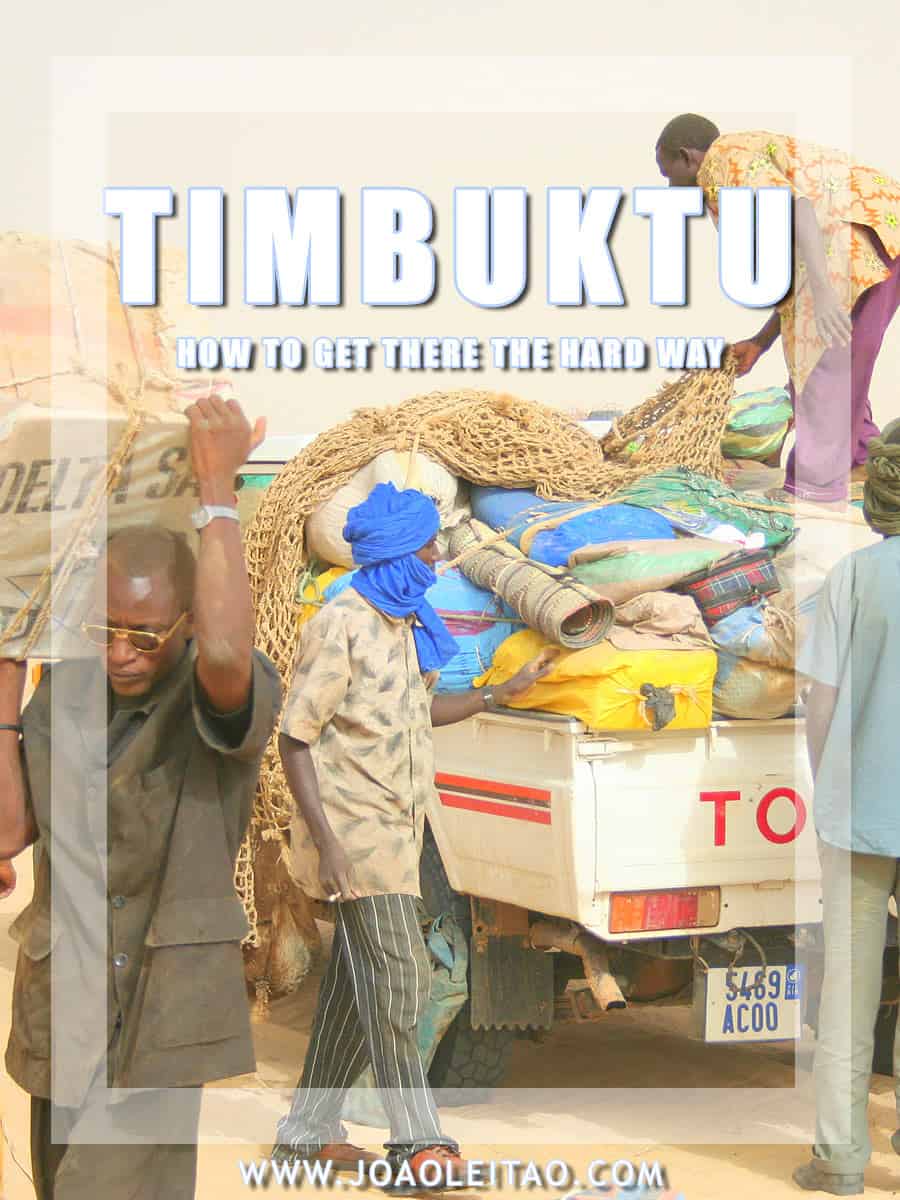
My travel to Timbuktu remains, to this day, among the craziest and best travel experiences I’ve ever had in my life.
So, you think this title is a dramatic attempt to assure you visit this adventure blog? Well, my trip to Timbuktu stands by its legend and getting there was, indeed, not as easy as most might think!
One of Africa’s ultimate travel destinations and a dream come true for off the beaten path travelers, Timbuktu’s history is rooted as far back as the year 1100. A Tuareg nomad camp in origin, it became one of West Africa’s most important commercial and religious outposts within only a couple of centuries.
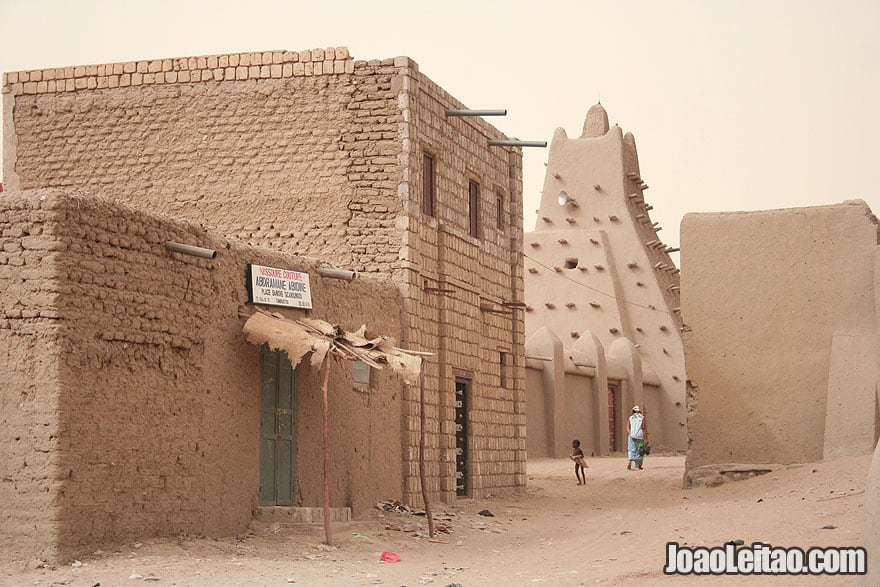
It was always a dream of mine to go to Timbuktu, and I didn’t even think twice about traveling there while on a trip to Mali a few years ago. Many people used to access the godforsaken city from Mopti, but I decided to do it the hard way. Yes, it seems that there was an even more challenging way to get to Timbuktu.
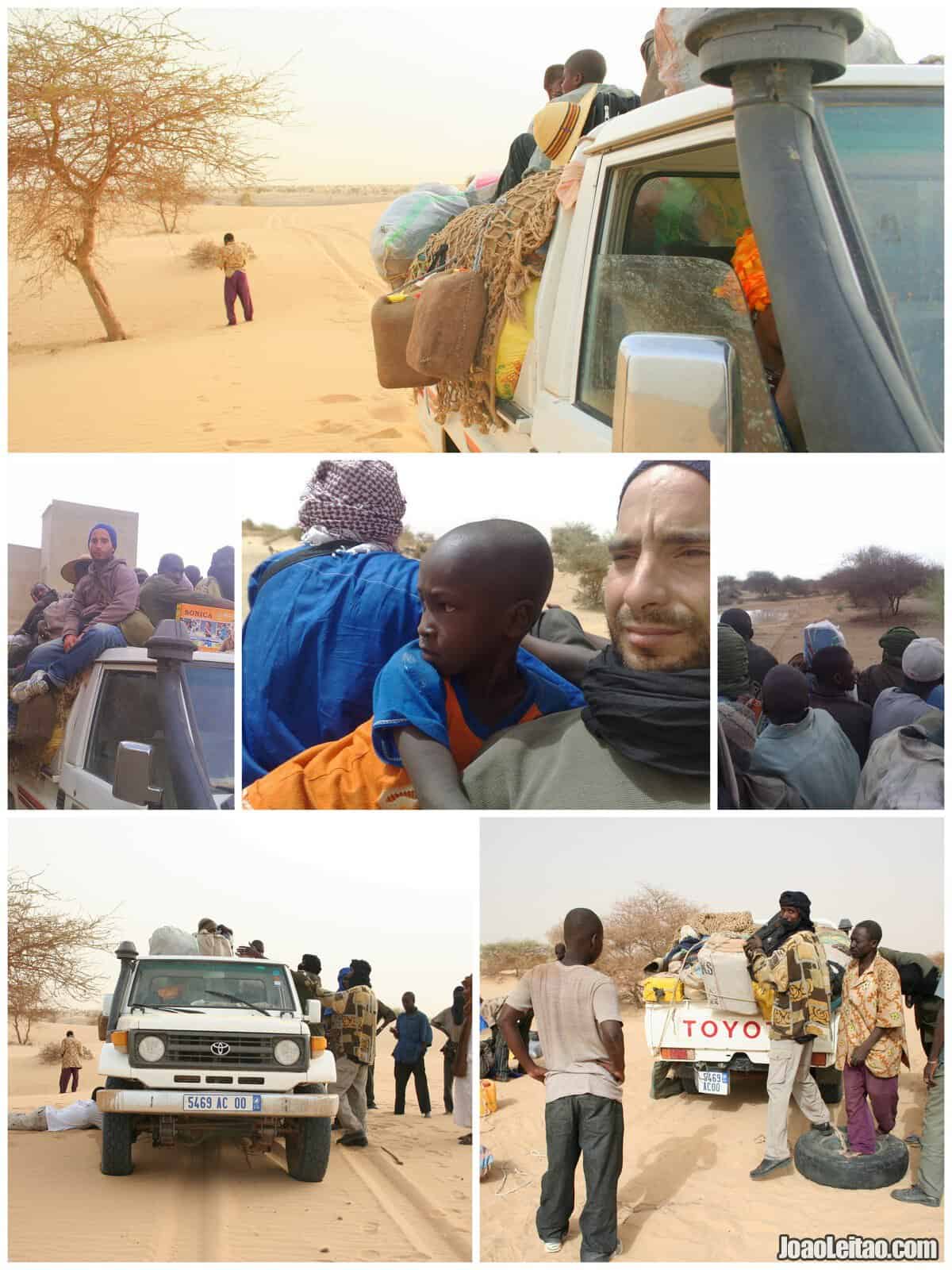
Pretty cool, right? Well, at the time there was a bi-weekly pick-up truck crossing the desert from Gao. Although the trip usually takes from 9 to 10 hours, in this case, and due to specific issues, it lasted 22 hours.
So, where did I have my life threatened on the way to Timbuktu? Meaning, is it even possible? No, I’m not writing this post to give an impression of my bravery or foolishness in engaging myself in such a trip. It’s just that the whole journey remains, to this day, among the craziest of experiences I’ve ever had in my life.
How was my life in danger?
To give a better understanding, allow me to explain the situation in further detail. Our driver was not from Mali but Mauritania, as it seems some Algerian and Mauritanians manage some businesses in Gao and Timbuktu. In this case, the weekly transportation was made with a Mauritanian Toyota Land Cruiser pick-up truck. For this particular trip, the only difference from previous trips was that the usual driver had fallen ill and his cousin sat in as his replacement.
So far so good, right? Wrong. The substitute driver was to cross the desert, all the way to Timbuktu and for the first time in his life! Not just did he never drive there before but he had physically never even been to Timbuktu. Now, imagine a truck, full of cargo and 21 people, on a night trip into a bandit-filled region of the Sahara Desert and manned by a driver only knowing the directions he was given. Of course, people from Mauritania are known to be desert-oriented people and I know our driver knew how to navigate the wilderness. But, for a journey that usually takes 10 hours to end up taking 22? Is that even logical?
Well, if you have been to Mauritania (as I have been, seven times) and can piece all the evidence together, you can understand that in this part of the world and with a Mauritanian at the wheel, anything possible can happen. And so, it did.
Danger en-route to Timbuktu – Part 1
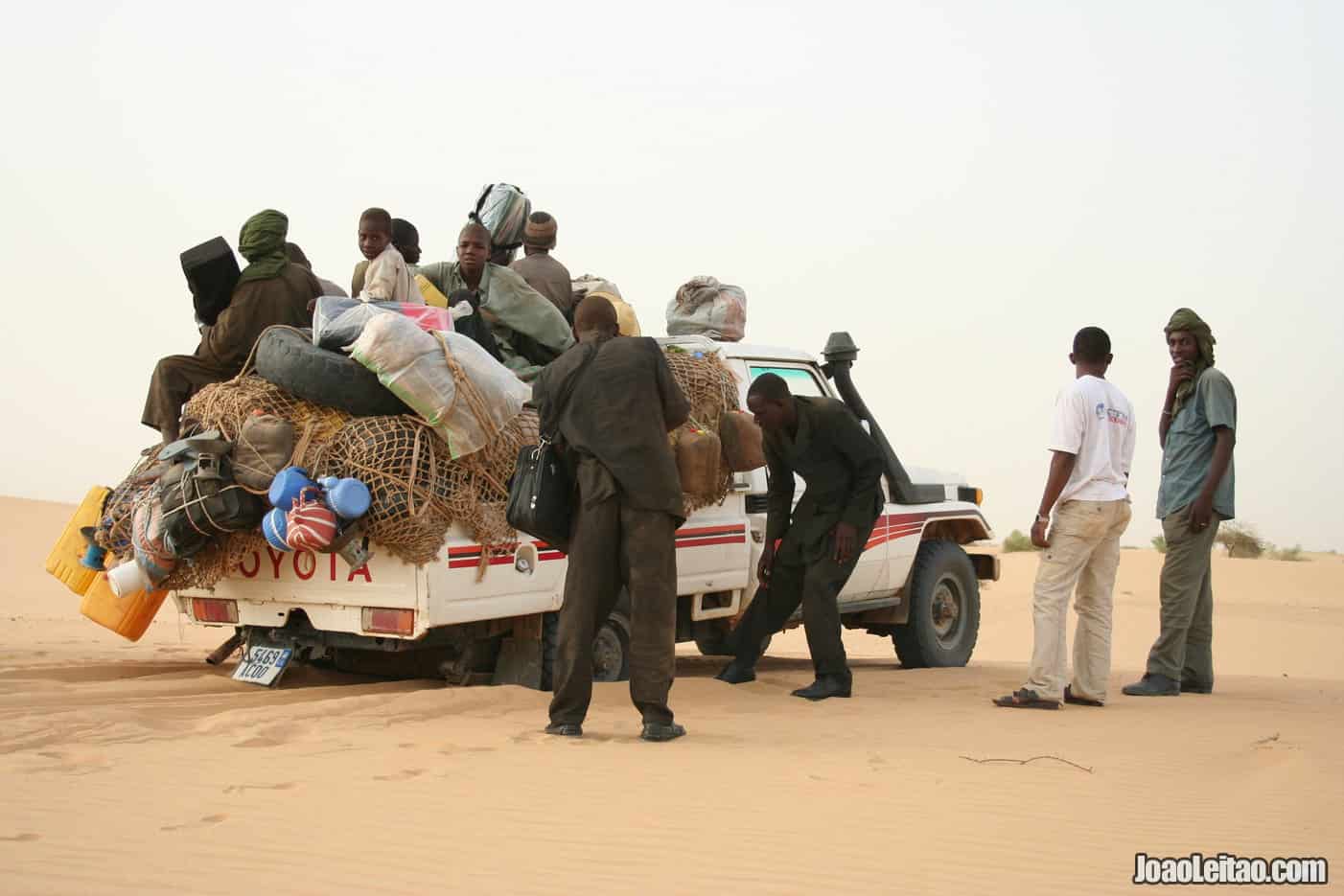
At about 1:00 am, the driver began ascending a dune where a Malian army compound was located. Halfway to the top, we were stopped at gunpoint, the main problem being the driver not hearing the warning to halt since the truck cab’s music was too loud. Moving in 4-wheel-drive, then the army lights and guns pointed at us, I noticed everyone jumping off the vehicle while it was still moving. Not understanding what the army men were saying, I just followed the others to the ground and put my hands up.
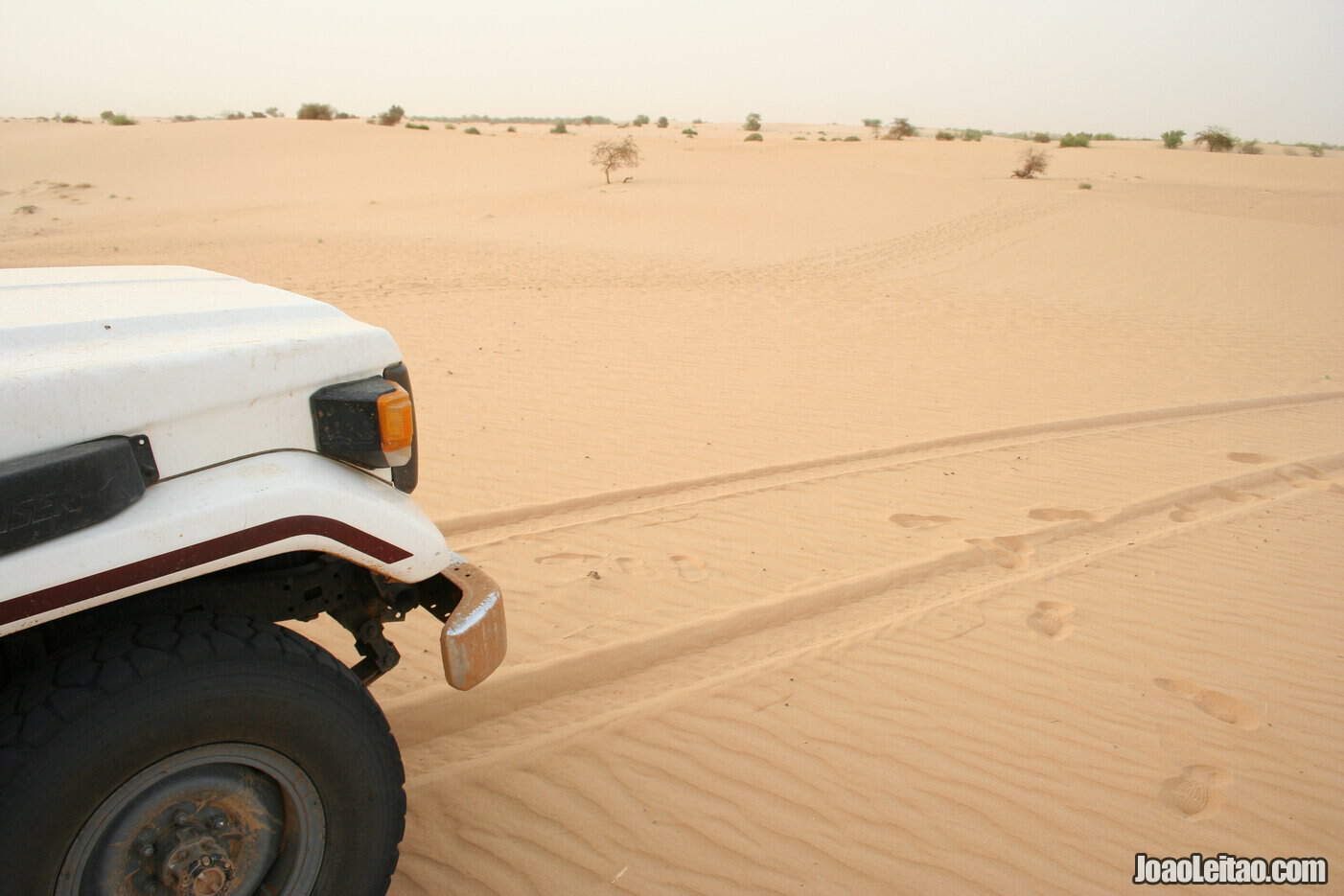
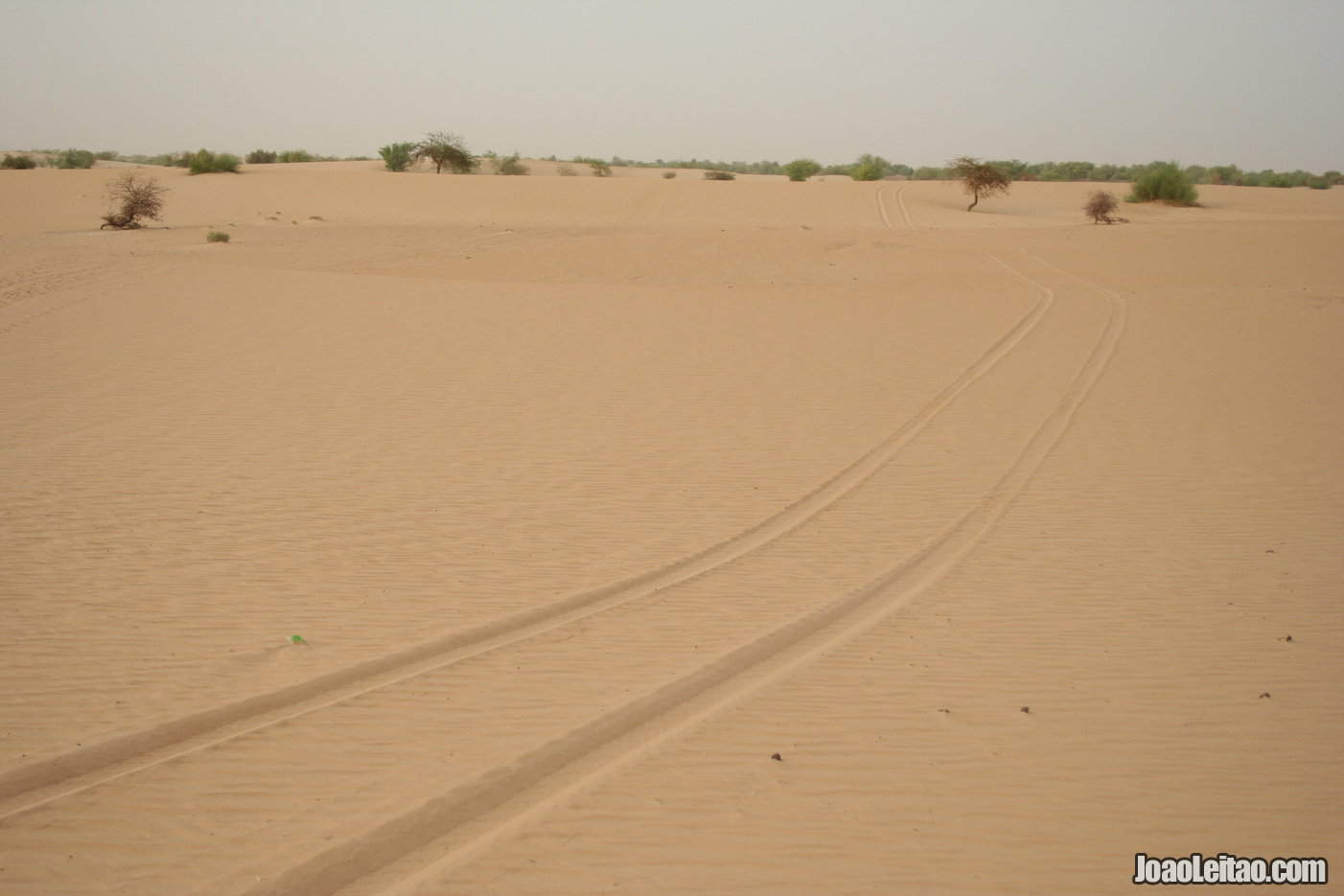
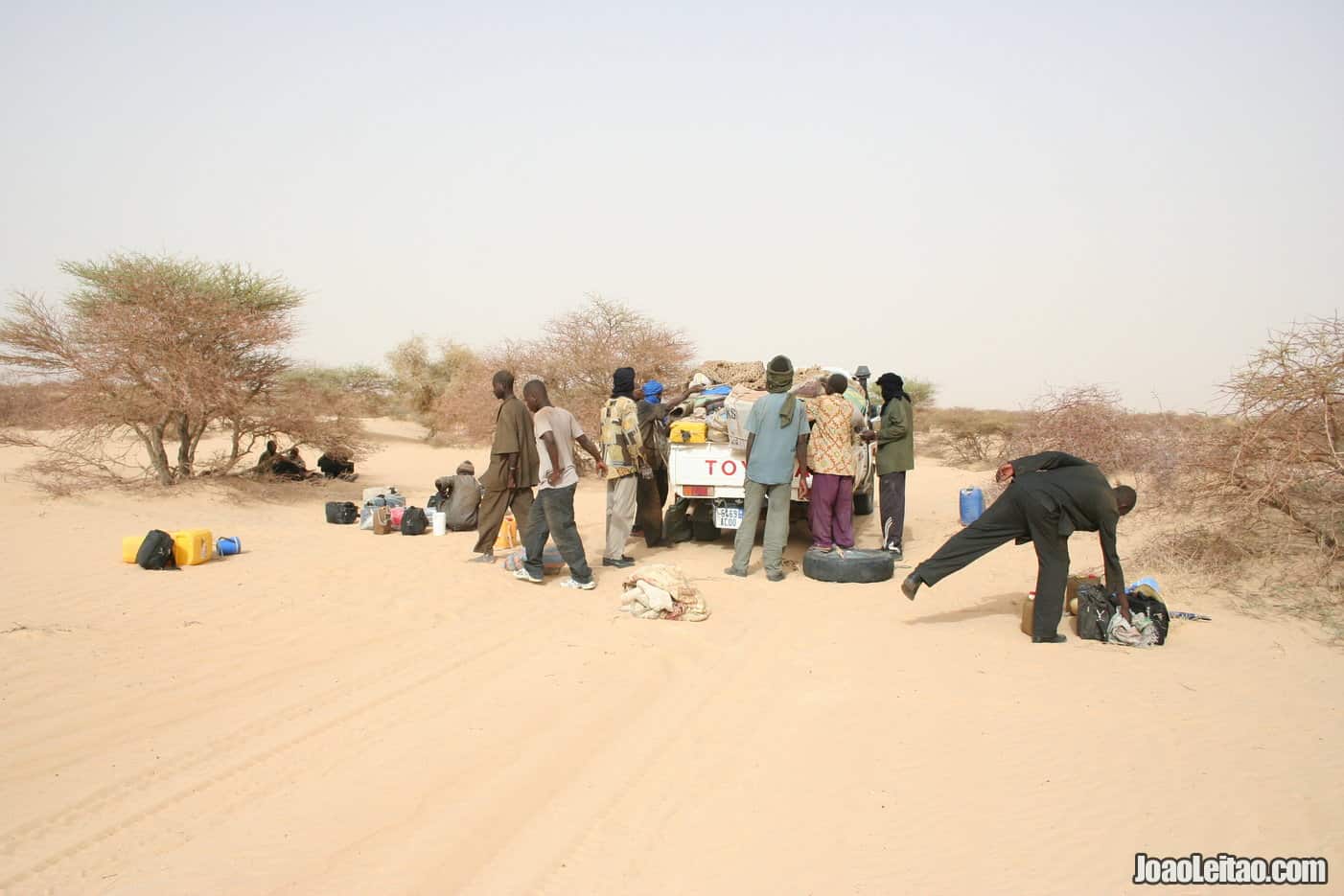
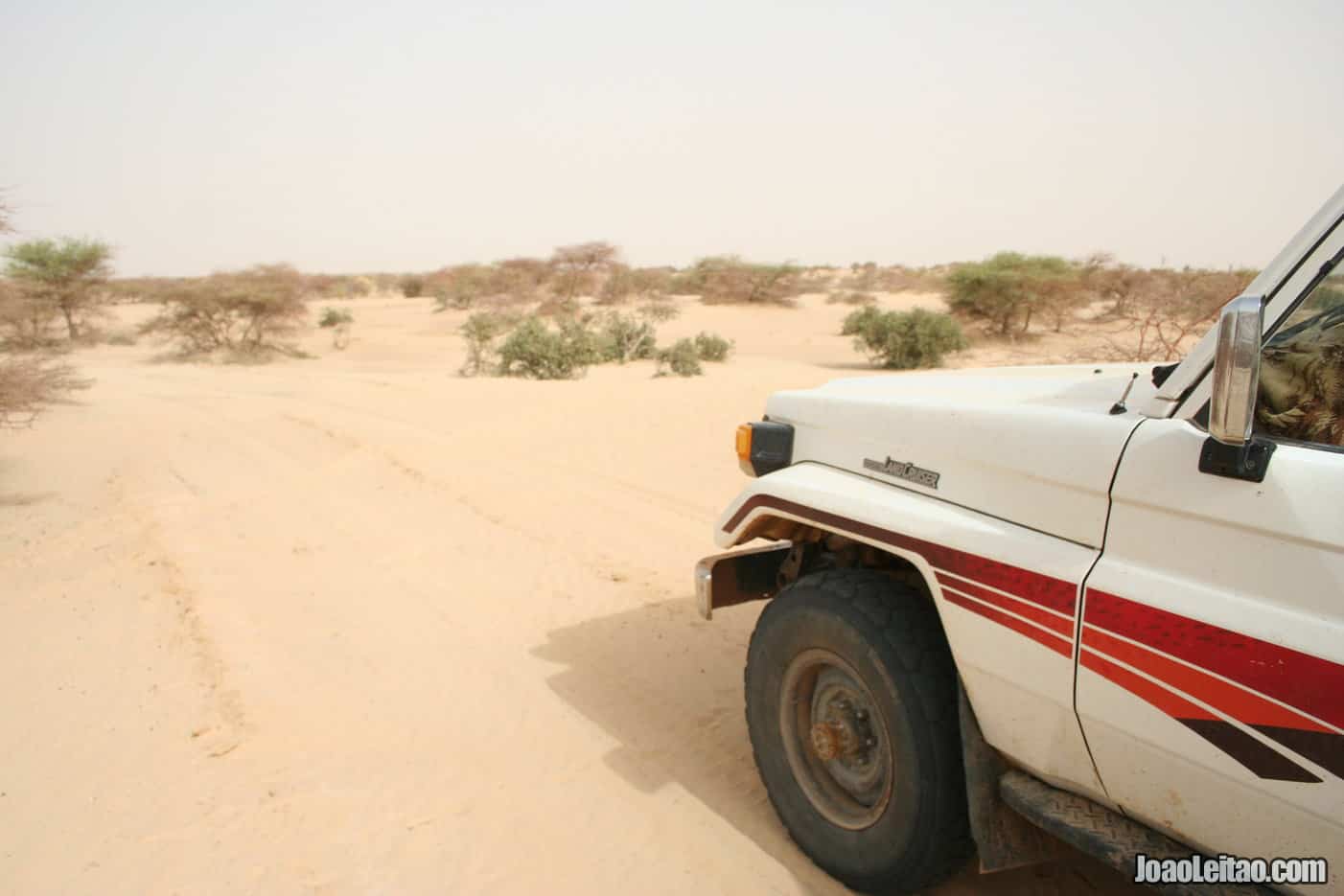
“S’il vous plait, ne tirez pas!” (Please, don’t shoot!), I heard a few of my companions anxiously shouting towards the armed men. The vehicle eventually stopped when the Mauritania driver finally noticed what the heck was going on!
Yes, this entire region is highly susceptible to rebel attacks and, precisely, we could have been a group of rebels trying to reach the army compound. Luckily, they didn’t shoot upon sight of us.
In retrospect, the ridiculous thing about the whole situation was in my memory of the innocent face of the driver being interrogated by the Malian officer, the proceeding exchange and, since they spoke different languages, their reverting to French to communicate:
- Officer: Who are you and what are you doing here with these people?
- Driver: This is my truck. I’m the driver.
- Officer: But why are you coming this way?
- Driver: I’m heading to Timbuktu.
- Officer: Timbuktu is not this way. You’re going in the wrong direction!
- Driver: Oh God bless! So which way is it then?
- Officer: Are you joking to my face?
- Driver: By God, no way!
- Officer: You don’t know the way?
- Driver: No.
- Officer: And you’re driving in the middle night with the car full of people?
- Driver: (silence)
- Officer: What are you doing here?
- Driver: My cousin is sick, so I’m replacing him. I know the desert, so I will learn today how to get there. We will get to Timbuktu by God’s will.
- Officer: This is unacceptable, people! Get lost! Dégage!!!
- Driver: Wa alaykumu s-salam. (and the peace upon you)
After more conversation and passport checks, we were all left in peace. Some of the passengers then demanded the driver stop for four hours so everyone could rest before continuing on to Timbuktu.
Danger en-route to Timbuktu – Part 2
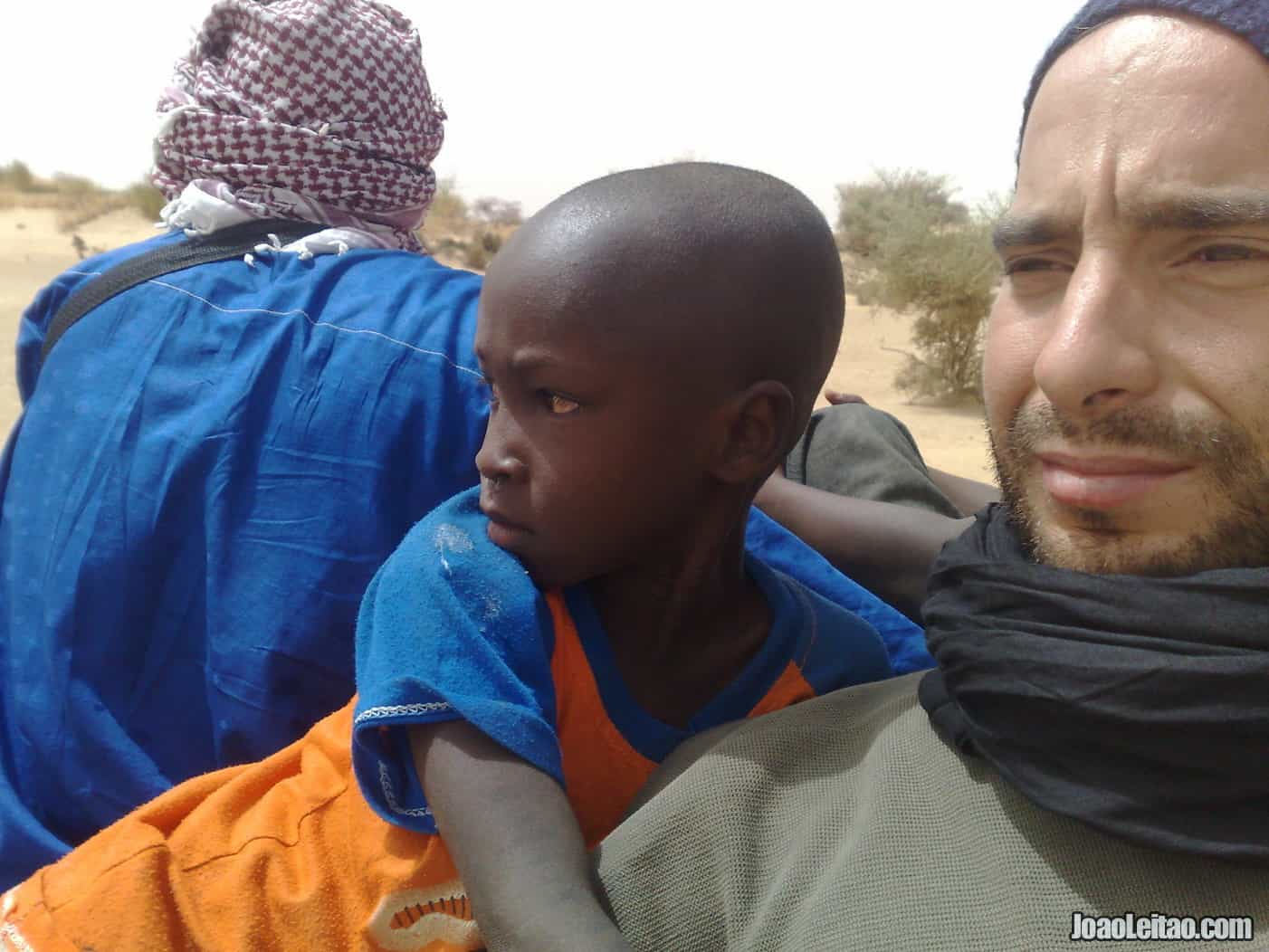
While waiting to sleep, everyone chose his resting place on the sand. Selecting an area in front of the truck, I lied down and closed my eyes. Suddenly, an inner feeling struck, a kind of awareness spasm, while I spontaneously stood up to change my place. I then went to lie near some nearby vegetation. While preparing to sleep, the pick-up’s hand break cracked causing the truck to move forward at least 3 meters, precisely where I would have been lying down!
At around 9:00 am, we stopped to ask for directions. There, someone told us Timbuktu was two hours away. After four more hours, we stopped again and were told Timbuktu was the other direction, five hours away! Now, I don’t quite understand what occurred, maybe time-travel, but did we actually go the opposite direction after asking for directions?
Funny story: After almost all the passengers had disembarked in the middle of the desert, the half-empty truck proceeded onward with me, two men, one child, and two goats.
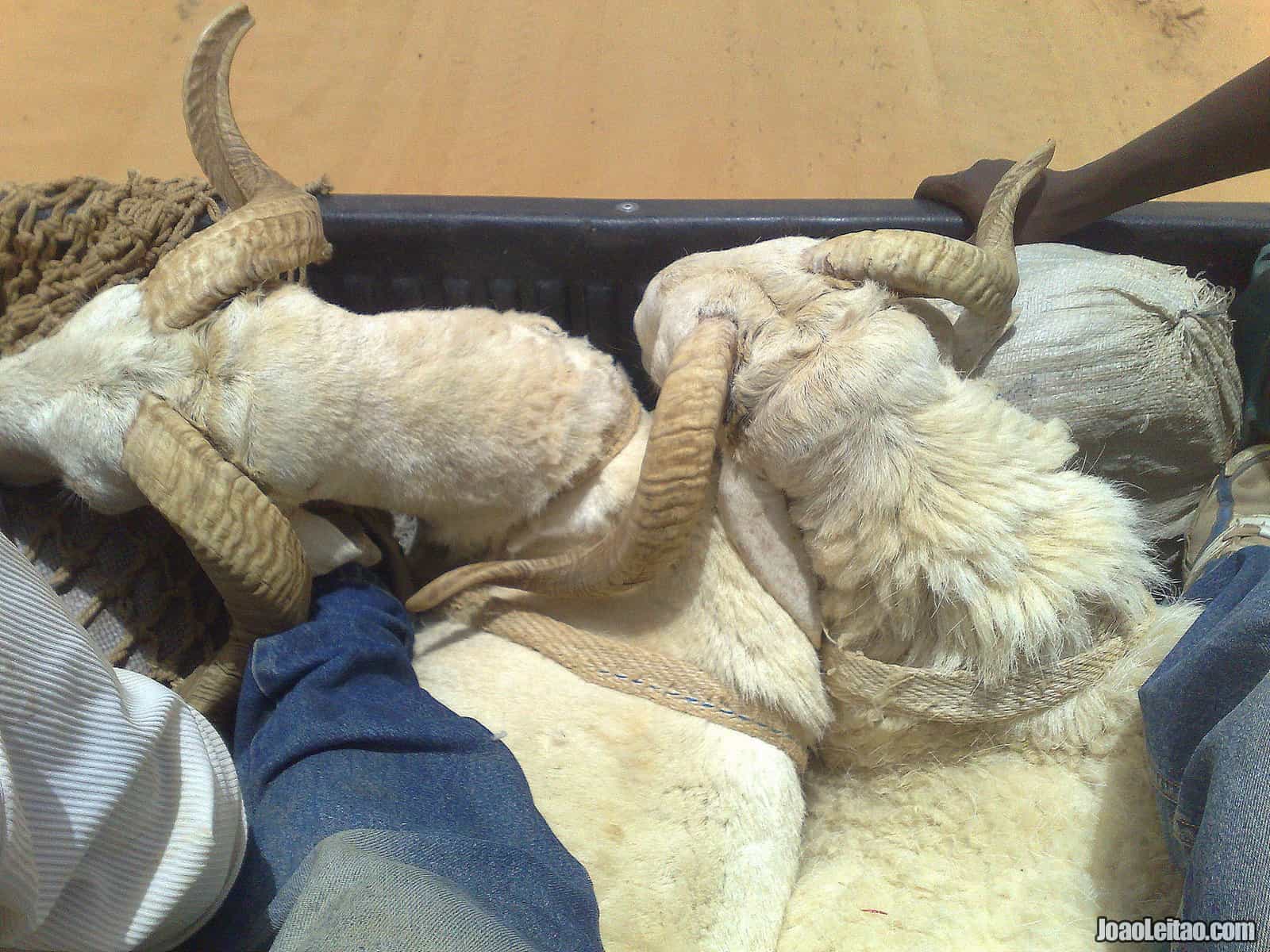
No comment. Needless to say, I arrived in Timbuktu 22 hours after we started in Gao, northern Mali, and just before sunset.
A brief curiosity: After this insane journey, I wasn’t expecting that leaving Timbuktu would be difficult. Well, it was not easy! The 4×4 taxi I took broke down near Hombori, adding five additional hours to expected travel time to reach Mopti. Based on this and all these experiences, I must admit Timbuktu’s reputation of being difficult to reach and tough to get out of proved to be more than true.
Read my page: Timbuktu the Mysterious